

World Kindness Day, marked on November 13, traces back to a 1997 Tokyo conference
 Images are not validated/verified
The day, declared in 1998 by the World Kindness Movement, urges small acts of kindness, which research links to better health for the giver as well.
In today's fast-paced life, everyone is so caught up in their own work that hardly anyone has time for a few kind words to the people around them. Mobile phones and social media connect people in a virtual world, but the emotional warmth of real life is fading. To keep humanity, compassion and mutual respect alive in society, World Kindness Day is observed across the world on November 13 every year.
The day is more than a date on the calendar. Its main aim is to bind all of humanity in a thread of love across caste, religion, language, race and national borders. When people do something for others without any selfish motive, the innocent smile on the other person's face gives them fresh energy to live.
The day has its roots in Japan. In 1997, a conference of social organisations and groups promoting kindness from around the world was held in Tokyo, the Japanese capital. It discussed in depth how to reduce growing tension and distance in society and spread positivity. Out of this thinking, a global campaign called the World Kindness Movement (WKM) was founded.
The following year, in 1998, the movement formally declared November 13 as World Kindness Day. The date was chosen to commemorate the first day of the 1997 Tokyo conference. The initiative was initially limited to a handful of countries, but it is now observed on a large scale in many countries, including India, the United States, Canada, Australia, the United Kingdom, Italy, Singapore and the United Arab Emirates.
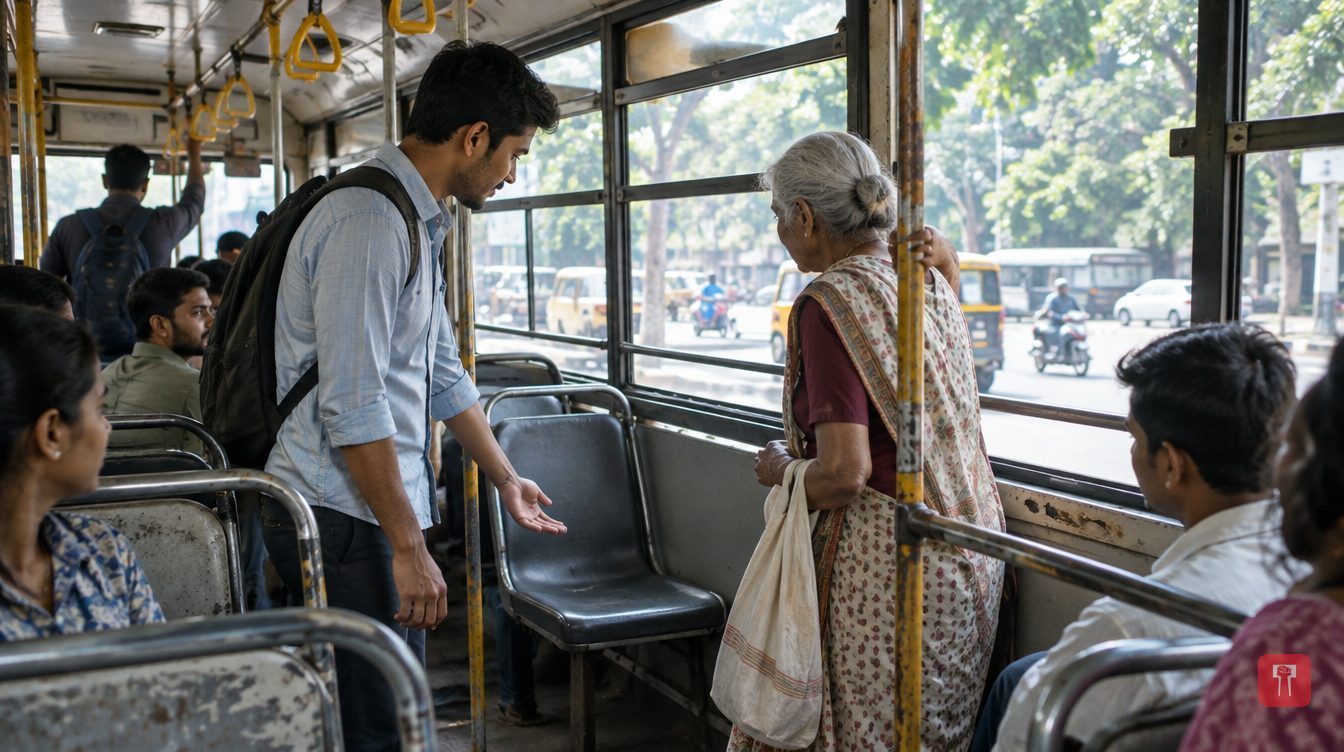
Many people believe being kind means giving substantial financial help or expensive gifts. The reality is different. Kindness is a simple virtue and costs nothing. Giving a tired traveller a seat on a bus, holding the hand of an elderly person crossing the road, keeping water out for thirsty birds, or sincerely thanking colleagues at home and at the office are all good examples of kindness.
On this day, schools, colleges, social organisations and corporate offices around the world hold various programmes to spread the message "Be Kind". In many places, "Kindness Cards" are distributed, while in some countries yellow flowers are given to express goodwill. All of this serves one purpose: to dispel negativity in society and strengthen the spirit of mutual cooperation.
Several scientific studies have shown that kindness benefits not only the recipient but also the health of the person who gives it. When people help others, the brain releases feel-good hormones such as oxytocin, serotonin and dopamine. This helps considerably in reducing fear, sadness and mental stress.
According to researchers, people who regularly show empathy and kindness towards others keep their blood pressure under control and have healthier hearts. In psychology, this is also called the "Helper's High". In other words, while bringing happiness to someone else's face, a person unknowingly experiences inner peace and contentment.
Kindness is no longer limited to face-to-face meetings, and it has grown in importance on social media too. Not posting bad comments about anyone on the internet, avoiding posts that spread hatred and openly praising someone's good work are what is today called "digital kindness".
Being kind to oneself (self-kindness) is equally important. People often forgive others' mistakes easily but keep blaming themselves when they slip. On World Kindness Day, people should also learn to love themselves, take care of their mental health and give themselves a little time.
Reach readers on the ward they actually live in.
Advertise with Prime Time 24Reach readers on the ward they actually live in.
Advertise with Prime Time 24Reach readers on the ward they actually live in.
Advertise with Prime Time 24Choose primetime24.com as a preferred source on Google Google shows more stories from your preferred sources in Top Stories.
Reach readers on the ward they actually live in.
Advertise with Prime Time 24
Comments
No comments yet. Be the first.