

World Arthritis Day: Causes and symptoms of joint pain, and when to see a doctor
An orthopaedic consultant at a Navi Mumbai hospital explains why joints hurt, which warning signs need urgent care, and how to protect them.
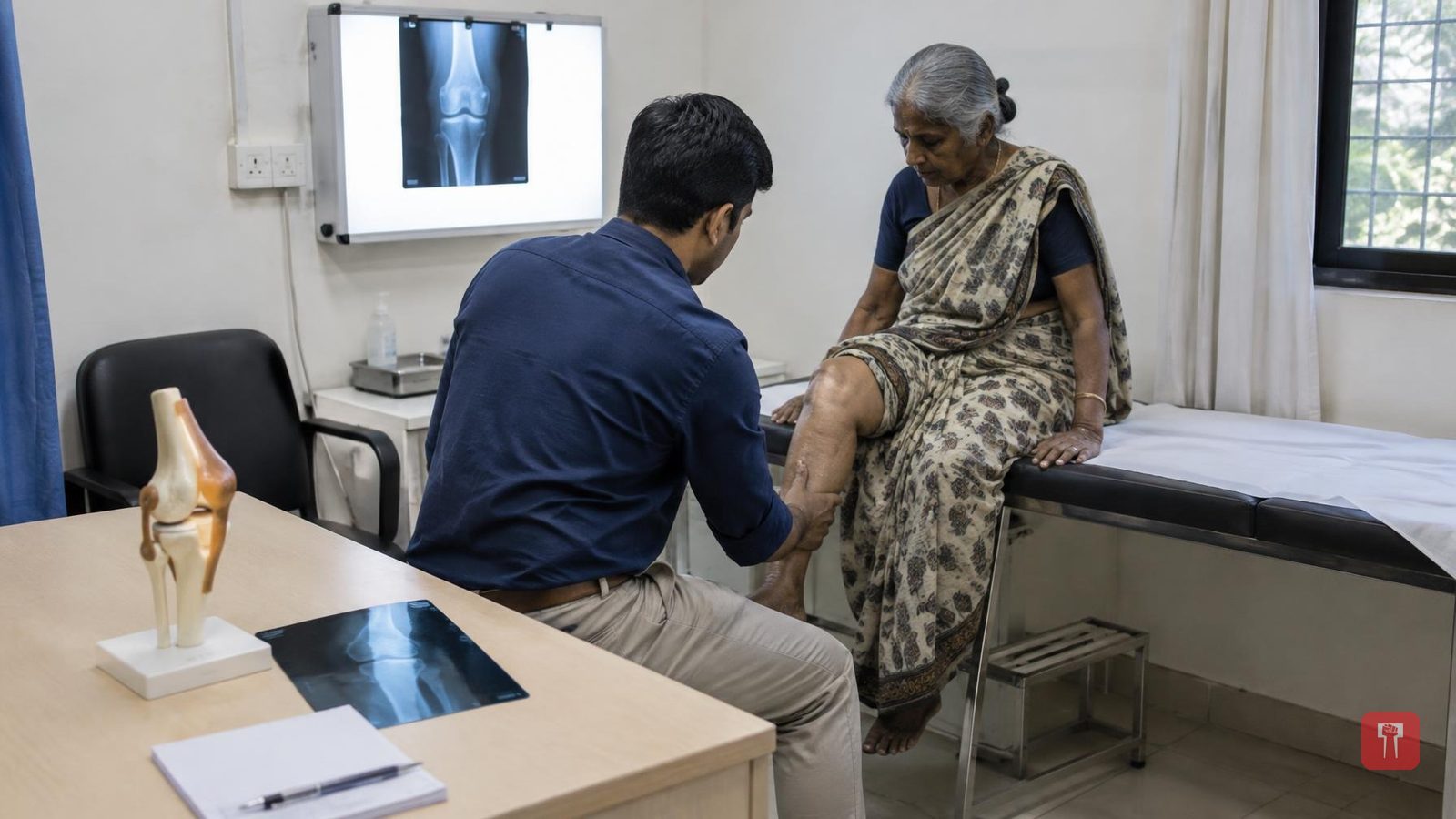 Images are not validated/verified
On World Arthritis Day, joint pain, known in medical terms as 'arthralgia', is in focus. It is one of the commonest reasons patients visit orthopaedic specialists, according to Dr Subhash Dhiware, Consultant (Orthopaedics) at Kokilaben Dhirubhai Ambani Hospital, Navi Mumbai. He said the problem can affect anyone, from young sportspersons to the elderly.
A joint is where two or more bones meet in the body. According to Dr Dhiware, cartilage cushions the joint, synovial fluid lubricates it for movement, and ligaments, tendons and muscles give it strength and stability. Injury, inflammation or wear in any of these parts can start joint pain.
Dr Dhiware said the risk of osteoarthritis, or wear of the joints, is higher in people above 40. The cartilage that cushions the joints wears down gradually and the bones begin to rub against each other. Symptoms include pain that increases after movement, especially while climbing or descending stairs, stiffness of the joints on waking in the morning (usually easing within 30 minutes), and a clicking sound from the joints during movement. The problem mainly affects the knees, hips, spine and the joints of the hands. According to the doctor, obesity, old injuries, advancing age and heredity are the main causes.
In rheumatoid arthritis, commonly called 'aamvaat', the body's immune system mistakenly attacks the inner lining of the joints. It causes equal swelling on both sides in the small joints of the hands and feet. According to Dr Dhiware, its symptoms include morning stiffness lasting more than an hour, warmth over the joints, extreme fatigue and sometimes fever. Ankylosing spondylitis, psoriatic arthritis and lupus can also cause joint pain and swelling. The doctor said early detection of these diseases is essential because delayed treatment can damage joints permanently and change their shape.
Injuries are also a common cause of pain. Dr Dhiware said fractures, ligament tears (such as injury to the anterior cruciate ligament, or ACL), meniscal tears, dislocations and sprains are common injuries from sport or road accidents that begin joint pain. Even an injury that seems minor at first can lead to early osteoarthritis if it is not properly examined and treated.
Constant, repeated strain on a joint or the tissues around it can cause conditions such as tendinitis, bursitis, tennis elbow and runner's knee. According to the doctor, the risk rises considerably in jobs that involve repeated lifting, frequent sitting down and getting up, or repeating the same hand movement.
When uric acid in the blood rises, urate crystals form in the joints and cause gout. According to Dr Dhiware, these crystals cause sudden, severe pain, swelling, redness and intolerance even to touch in the joint. It mostly affects the joint at the base of the big toe. Certain foods, alcohol, dehydration and some medicines can suddenly worsen gout.
Dr Dhiware described infection of a joint, or 'septic arthritis', as an orthopaedic emergency that needs immediate treatment. Its main signs are a joint that is very hot, swollen and severely painful, especially when accompanied by fever. According to him, if treatment is not received in time and the infection is not controlled, the joint can suffer serious and permanent damage within a very short time.
On nutrition and lifestyle, the doctor said vitamin D deficiency, a calcium-poor diet and osteoporosis can harm bone health. They can make bones ache and raise the risk of fractures. A very sedentary lifestyle can weaken the muscles that support the joints, while excess body weight increases the strain on weight-bearing joints. According to him, extra weight can greatly increase the pressure on the knees even during simple everyday movements. Poor posture, flat feet, wrong footwear, hormonal changes after menopause, congenital joint problems and pain that starts in the spine and travels to the joints can also be causes.
According to Dr Dhiware, an orthopaedic specialist should be consulted immediately if joint pain lasts more than two weeks; if there is swelling, redness or warmth around the joint; if bearing body weight is difficult or the joint cannot be bent fully; if the joint changes shape or feels stuck; if pain comes with fever; or if severe pain wakes a person at night. He said specifically that if a joint is very hot and swollen and there is fever, or if sudden severe pain begins, medical examination is needed at once and one should not make the mistake of waiting two weeks.
Dr Dhiware said diagnosis generally involves a physical examination. If needed, X-rays, an MRI scan, various blood tests (such as uric acid, ESR, CRP and rheumatoid factor) or an examination of the joint fluid are done. Treatment may include medicines, physiotherapy, injections, bracing or, when the disease is far advanced, joint replacement surgery.
For prevention, the doctor advised keeping weight under control, doing low-impact exercise such as swimming, cycling and walking, using a treadmill as required, strengthening the muscles around the joints and warming up before exercise. He also advised adopting the right way of sitting and getting up, wearing proper footwear, eating a balanced diet with calcium and vitamin D, and avoiding smoking, because according to him smoking harms bone health and the healing of wounds.
Dr Dhiware said joint pain is not merely an inevitable part of ageing. In many people there is a specific disease or cause behind it that can be treated successfully, but timely attention is essential. According to him, ignoring persistent pain without finding the root cause, or repeatedly taking only painkillers, can worsen the damage to the joints.
