

Why Ram left Lanka after victory and crowned Vibhishana before returning to Ayodhya
After defeating Ravana, Lord Ram did not stay in Lanka, installing Vibhishana as king and heading home to keep his word, honour duty and show love for his motherland.
 Images are not validated/verified
After slaying Ravana and securing the victory of dharma over adharma, Lord Shri Ram did not stay long in Lanka and set out for Ayodhya. He had the chance to take over a golden city like Lanka, yet he did not claim its throne. He consecrated Ravana's brother Vibhishana as king of Lanka and decided to return to his motherland. It is said that his decision reflected more than a wish to go back to Ayodhya. It also showed lofty values such as keeping one's word, loyalty to duty and love for the motherland.
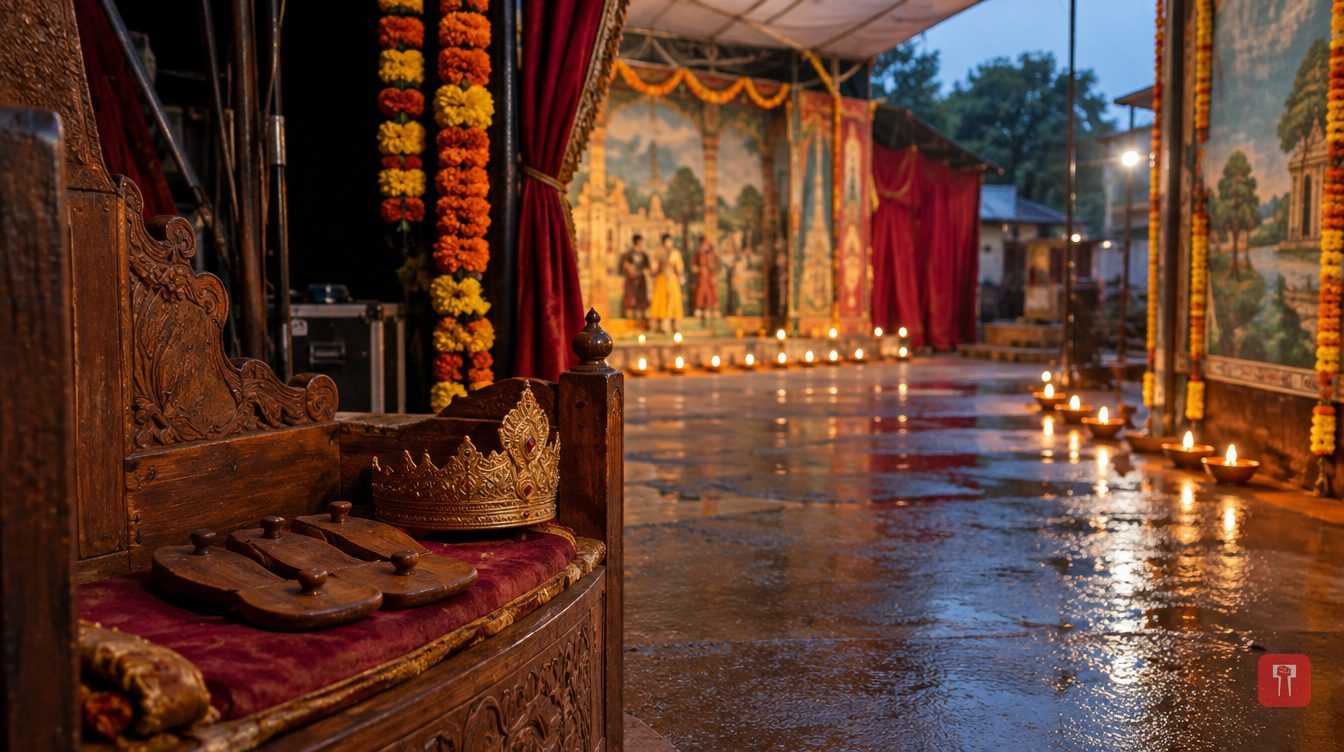
One reason is linked to Bharat's vow. When Ram had to endure a fourteen-year exile, Bharat refused to take the throne of Ayodhya. He placed Ram's sandals on the throne and ran the kingdom as Ram's representative. Bharat expected that Ram would return to Ayodhya as soon as the fourteen years of exile were complete. In Ram's absence, Bharat lived with great restraint and a spirit of sacrifice.
The Ramayana records that Bharat had vowed to give up his life if Ram did not return from exile on time. Returning to Ayodhya was therefore not merely a matter of family joy for Ram. It concerned the word given to his beloved brother, and that brother's life.
Keeping one's word has been the ideal of Ram's whole life. To fulfil the promise his father, King Dasharatha, had given Kaikeyi, Ram gave up royal splendour and accepted exile without complaint. For him, duty and truth stood above personal happiness. Returning to Ayodhya after the fourteen years was also part of his duty. So after the victory in Lanka, rather than stay on, he chose to reach Ayodhya within the appointed time. The message is that however great the crises in life, the value of a given word should not diminish.
The Ramayana describes Lanka as a city full of wealth, grandeur and golden palaces. After defeating Ravana, Ram had the chance to establish his dominance over that kingdom. But ruling Lanka was never his aim. Rescuing Sita, fighting injustice and upholding dharma were the main objectives of his campaign.
For this reason he handed the kingdom of Lanka to Vibhishana, who had opposed Ravana's adharma and sided with Ram. By making him king, Ram set an example of a just rule founded on dharma. He showed through his actions that victory does not mean seizing another's kingdom, but ending injustice and placing power in the hands of the right person.
A well-known verse of the Ramayana says, "Janani janmabhoomishcha swargadapi gariyasi". It means that mother and motherland are greater than heaven. In the popular Ramayana tradition associated with the Uttarakanda, Lakshmana, seeing the splendour of Lanka, expressed a wish to stay there. In that episode Ram offers this thought. The verse conveys love for the motherland and loyalty to one's roots.
However tempting the splendour of Suvarnalanka, Ayodhya was for Ram not merely a capital. It symbolised his birthplace, family, subjects and duty. His bond with his own motherland was therefore more precious to him than the wealth of a foreign land.
After Vibhishana's coronation, Ram began the journey back to Ayodhya with Mother Sita, Lakshmana and his companions. According to the Ramayana, the Pushpak Vimana was used for the journey. On the way, he is described as pointing out to Sita important places linked to the war and the exile.
Ram's arrival in Ayodhya ended a wait of fourteen years. It was an emotional confluence of Bharat's loyalty, Ram's keeping of his word and the love of the people. The episode suggests that the foundation of Ram Rajya lies not merely in power or victory, but in sacrifice, justice, duty and public welfare.

Comments
No comments yet. Be the first.