

Whey protein after a workout: how much you need and when to take it
 Images are not validated/verified
Muscle repair continues for a day or two after training, and total daily protein, carbohydrates, water and sleep matter as much as any single shake.
When you finish the last set at the gym and head home, the real work of the muscles begins. Over the next day or two, the body repairs the tissue that was stressed in the workout and adapts so that the same workout feels a little easier next time. The raw material for this is the amino acids supplied by protein, and whey is one easy way to get them.
But a single shake does not complete the picture. Total protein through the day matters, and so do carbohydrates, water and sleep. Recovery is the work of a whole team, not of one product.
Lifting weights puts stress on muscle fibres. In response, the body speeds up muscle protein synthesis, building new muscle protein and clearing away the damaged protein. Over weeks and months, this balance of building and breakdown decides whether you grow bigger and stronger.
Dietary protein is digested into amino acids, which the body uses to repair and maintain tissue. Carbohydrates have their own role: they replenish muscle glycogen, the fuel spent in heavy sessions. Skipping them after a long workout can leave you feeling tired in the next session.
Do not judge a workout by how sore you are. After some of the best sessions there is almost no soreness, while pain that persists generally suggests that you are doing too much or recovering too little.
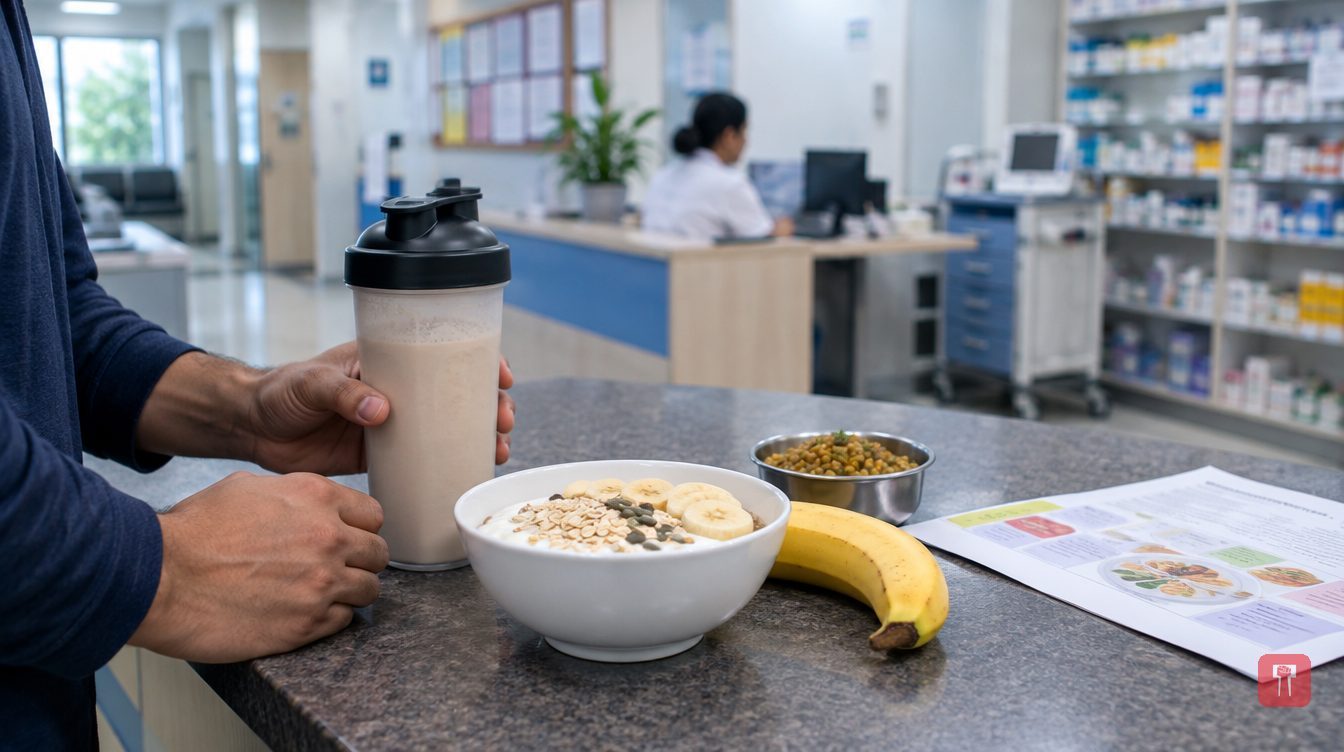
The body cannot make enough of the essential amino acids on its own, so they must come from food. Whey protein contains all nine, is digested quickly and is rich in leucine, which helps switch on muscle protein synthesis. For those who find it hard to meet a protein target through food, a shake is an easy option. It is quick to make when you do not feel like cooking, fits easily in a gym bag and can be mixed into oats or a smoothie. Together with progressive resistance training, adequate protein can help build size and strength.
Still, it is not essential. Eggs, dairy, fish, meat, beans and pulses do the same job, and a well-planned diet can meet the need even without powder. A supplement is a convenience, not a necessity.
Timing matters less than advertisements suggest. The muscles remain ready to take up protein for several hours after training, so there is no need to rush to the locker room with a shaker. The position stand of the International Society of Sports Nutrition (ISSN) identifies total daily intake, and spacing protein at suitable intervals, as the key factors.
In practice, a few simple habits are enough. If you have not eaten protein for several hours, have a protein-rich meal or snack after the workout. About 20 to 40 grams at a time suits most active adults, though everyone's needs differ. Spread protein across the day instead of saving it all for dinner. And if you ate a protein-rich meal just before training, there is no hurry to have more straight away.
How much protein you need each day depends on body weight, training effort, goals, age and overall diet. Someone who lifts weights four days a week generally needs more than a person who sits most of the day. According to the ISSN, about 1.4 to 2.0 grams per kilogram of body weight daily is recommended for healthy adults who train regularly. For a person weighing 70 kg, that is roughly 98 to 140 grams. It may sound like a lot, but it adds up quickly across breakfast, lunch, dinner and two or three snacks.
Before buying a tub of protein, work out what you already eat; you may be close to the target. Vary your sources too, such as dairy, eggs, fish, lean meat, soy and pulses. More protein is not automatically better, and it does not speed up muscle growth beyond what the body can use. If you have kidney disease or another related condition, speak to a doctor or a registered dietitian before increasing protein.
No shake can make up for poor sleep or excessive training. Recovery is the sum of training, food, rest and time. Sleep regularly and adequately, and let a muscle group rest before working it hard again. Drink water, especially after sweaty sessions. Eat enough overall, because crash dieting makes recovery and preserving muscle difficult. Raise training volume gradually and keep light or complete rest days. After long sessions, taking carbohydrates with protein replenishes glycogen while the amino acids go towards repair.
Good recovery, in sum, means giving the body what it needs: enough protein, enough food, enough sleep and a sensible training plan. Whey is a useful tool, not a compulsion. There is no need to rush for a shake after every session.
Reach readers on the ward they actually live in.
Advertise with Prime Time 24Reach readers on the ward they actually live in.
Advertise with Prime Time 24Reach readers on the ward they actually live in.
Advertise with Prime Time 24
Comments
No comments yet. Be the first.