

War and sanctions push Iran's economy into crisis as GDP shrinks 10 percent
Conflict with the US and Israel and tightened American sanctions have hit Iran's oil exports, currency and factories hard.
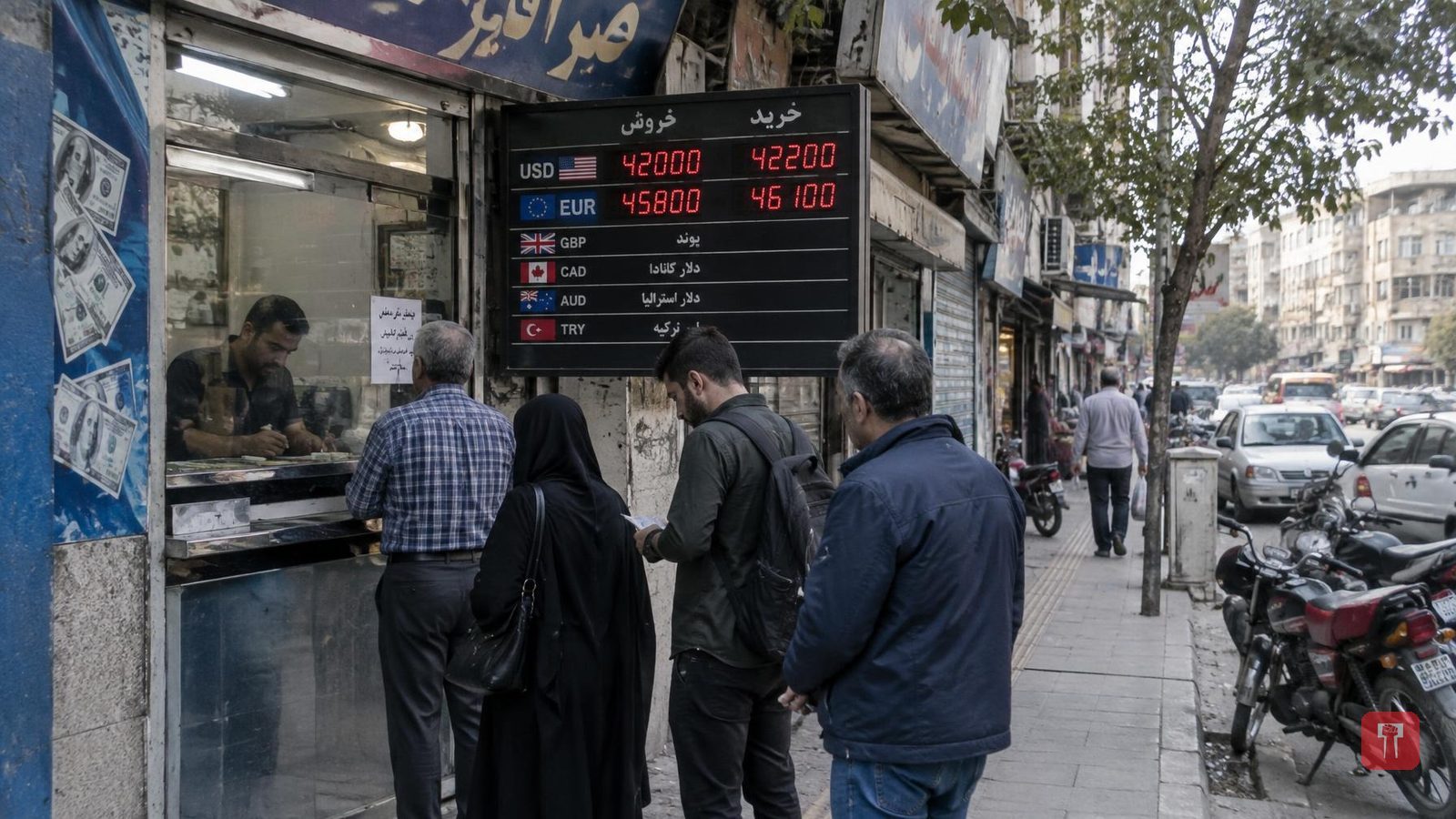
Iran is in the grip of a severe economic crisis brought on by the war in the Middle East and tough economic sanctions imposed by the United States. The country's economy, embroiled in conflict with the US and Israel, is worsening by the day, causing major disruption within Iran.
According to government data, Iran's Gross Domestic Product (GDP) fell by 10.1 percent in the first quarter of the current year, from the end of March to the end of June, compared with the same period last year. The International Monetary Fund (IMF) has projected that Iran's average inflation rate will remain at 68.9 percent by 2026. By comparison, India's retail inflation rate in August 2026 was 4.82 percent, meaning inflation in Iran is about 14.3 times higher than in India.
The mainstay of Iran's economy is the export of crude oil and natural gas, but the ongoing war and fresh US-imposed blockade have hit these exports hard. Cargo traffic through the Strait of Hormuz, a key route for global trade, has slowed sharply. In March, Iran was exporting about 2 million barrels of crude oil a day, but by August this had fallen to just 220,000 to 255,000 barrels a day. This has made it nearly impossible for Iran to earn foreign currency. Mohammad Bagher Ghalibaf, Speaker of Iran's parliament, has acknowledged the severity of the situation. He said that during an earlier blockade Iran had not been able to export a single barrel of oil, and that the situation now is turning equally serious.
Ordinary people in Iran are bearing the brunt of the collapsing economy. In August, Iran's 12-month average inflation rate reached 69.9 percent, while prices of goods rose 89 percent compared with August the previous year. Sharp increases in the prices of food grains and daily essentials in particular have made life difficult for ordinary people. Iran's official currency, the rial, has also been steadily weakening. In early September, one US dollar was worth more than 2.2 million rial in the open market, up from about 1 million rial a year earlier. This runaway currency depreciation has severely eroded the purchasing power of Iranian citizens.
Iran's industrial sector has also suffered badly from the war and the economic squeeze. In August, an index tracking raw material stocks fell to 39.3, down from 44.5 in July. Iran's overall Purchasing Managers' Index (PMI) stood at 46.9. By economic convention, a PMI below 50 indicates a slowdown and a decline in manufacturing activity. According to Iran's statistics centre, an acute shortage of raw materials in the market has sharply pushed up production costs. Iran's Chamber of Commerce has warned bluntly that if this situation persists and the supply of raw materials is not restored, many small and large factories across the country will shut down completely. A halt in industrial activity would further raise unemployment and could bring about a complete collapse of Iran's economy. Iran, therefore, has no option left but to seek a diplomatic solution and avoid war if it is to pull out of this devastating economic crisis.
