

US Indo-Pacific Command chief Adm Paparo in Delhi for five-day visit, to meet service chiefs and NSA
Admiral Samuel J. Paparo will hold talks on defence cooperation, maritime security and new technologies between October 3 and 8.
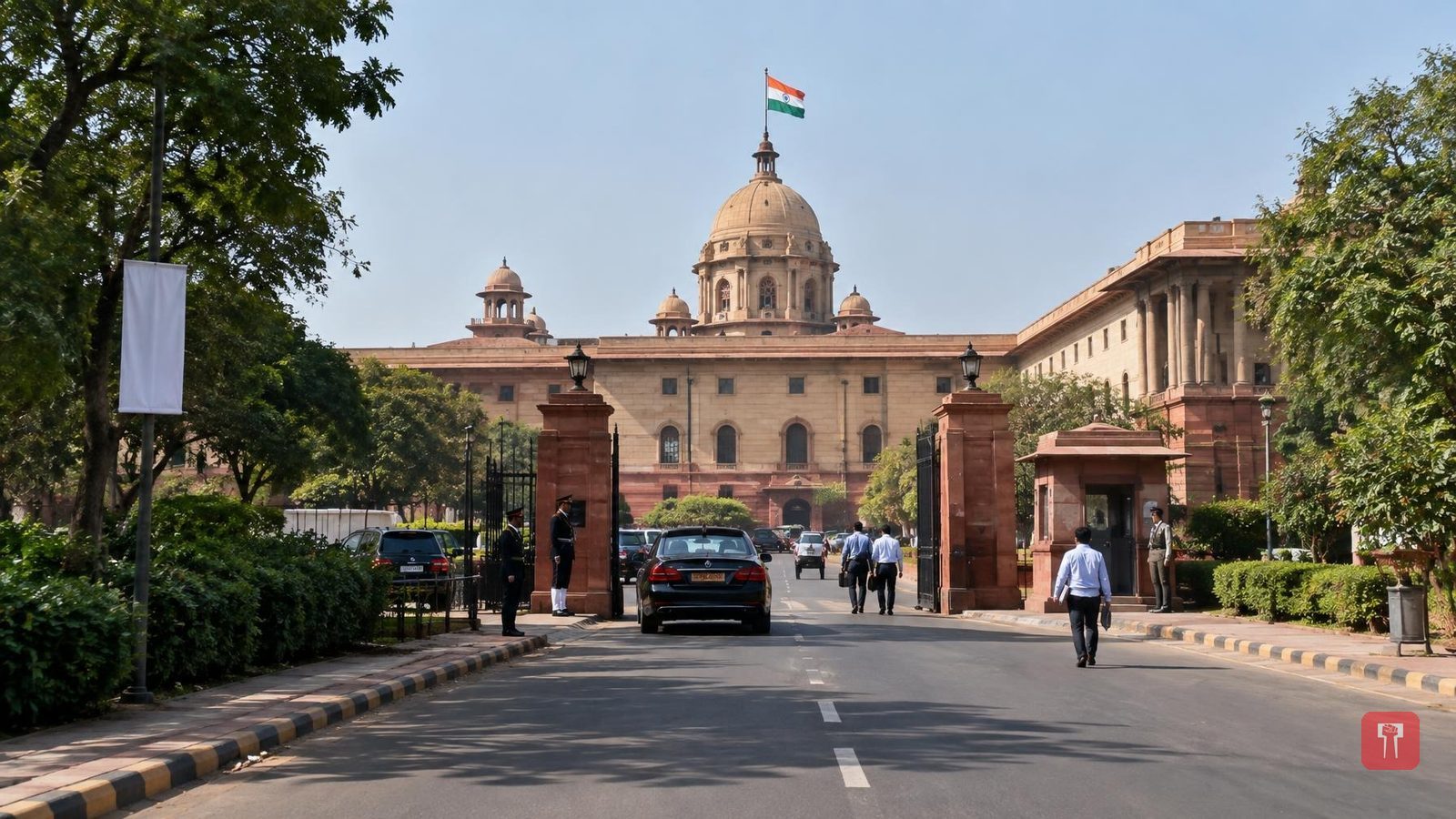
Admiral Samuel J. Paparo, Commander of the US Indo-Pacific Command (US INDOPACOM), has arrived in New Delhi on an official visit to India. He will be here from October 3 to 8, 2026, a visit described as lasting five days. On arrival he was given a formal welcome by the Indian defence forces.
The aim of the visit is to further strengthen the defence partnership between India and the US, increase cooperation between the two countries' armed forces and help maintain stability in the region amid changing geopolitical conditions. The Indo-Pacific region is growing in importance in world politics by the day, and the visit comes against that backdrop.
During the five days, Admiral Paparo will hold talks with the chiefs of India's three services, the National Security Adviser and senior officials of the Ministry of Defence. The meetings will not be limited to traditional military exercises. There will be particular emphasis on how cooperation can be increased through digital transformation in defence, artificial intelligence (AI) and emerging technologies to meet present-day challenges.
The Indian Ocean Region is regarded as the main route for world trade and energy supplies. India-US cooperation is being described as decisive in checking China's growing military and maritime influence in the region and in building a free, open and secure Indo-Pacific. Admiral Paparo's visit has once again brought into focus the continued US presence in the Indian Ocean and its strategic interests with India.
Improving maritime security and the exchange of information on the maritime domain (Maritime Domain Awareness) will be a main focus for both countries. Coordination between the two navies is being firmed up to deal with challenges such as piracy, illegal fishing, the security of trade routes and disaster management.
Technology and energy will also be discussed. The present era is one of technological competition, and modernisation of the armed forces has become essential in a fast-changing digital age. With this in view, India and the US will stress Defense Energy Resilience and green defence technology. Strategies will be drawn up for sustainable energy supply to modern military bases and for protecting energy systems in an emergency.
The two countries are also taking positive steps towards jointly developing new military technology (Joint Technology Co-development). This includes cyber security, drone technology, space security and modern communication networks. This cooperation is expected to give a major push to India's 'Aatmanirbhar Bharat' campaign and to the modernisation of the armed forces.
The US Indo-Pacific Command, which Admiral Paparo leads, is regarded as the largest and oldest military command in the world. Its area of responsibility covers a vast region from the Pacific Ocean to the Indian Ocean. About 400,000 military and civilian personnel work under his command.
Five powerful aircraft carriers, about 200 advanced warships and more than 1,000 combat aircraft are also under the command's direct control. The visit of the head of such a large military force to India for talks reflects India's growing strategic weight globally and regionally. Defence experts have expressed confidence that the visit will take India-US friendship to a new height.
