

US extends social media vetting to all non-immigrant visa applicants, including journalists
Applicants must set all social media accounts to public so consular officers can review their online presence, the US State Department has said.
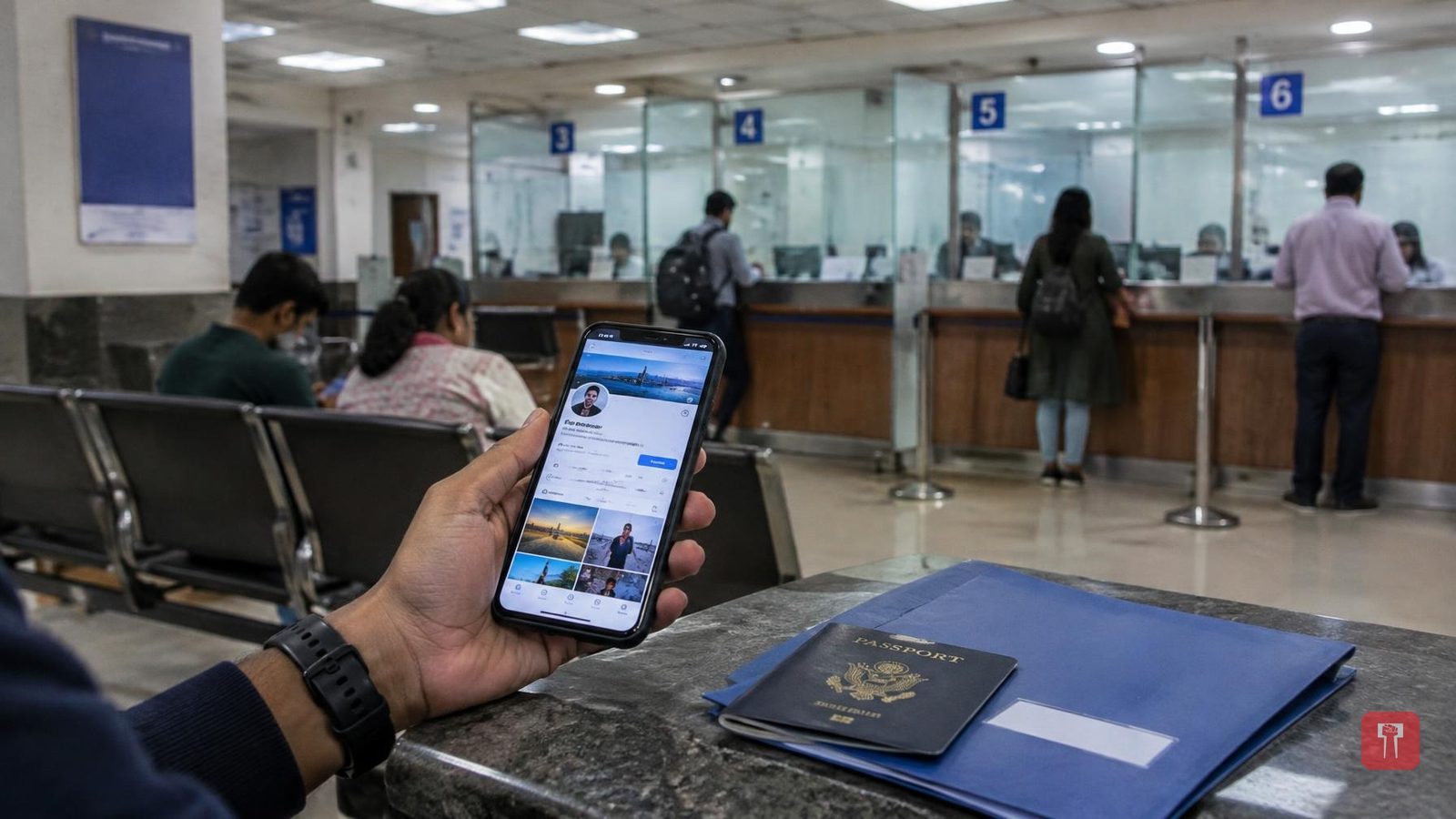
The United States has made major and stricter changes to its visa approval and entry policy. Its administration has widened the scope of scrutiny of visa seekers' online activity and social media. Under the new decision, the checks will no longer be limited to ordinary workers or tourists. Foreign journalists, highly qualified professionals and students have also been brought in.
According to the US State Department, all applicants for non-immigrant visas have been clearly directed to set the privacy settings of all their social media accounts to "public" or "open". This will let consular officers examine in depth an applicant's digital presence, posts and online behaviour.
The change is seen as particularly significant for foreign journalists who travel to the US for work. Applicants for the I visa, issued to representatives of foreign media, now clearly fall within the scope of this social media vetting. Professionals travelling under the USMCA agreement (TN visa) and their dependent family members (TD visa) must also now keep their social media accounts open.
The State Department said the rule is part of a larger security screening system. Earlier, the process had been applied in stages to some categories, including H-1B temporary workers, H-4 dependants, F-1 and M-1 students, J-1 exchange visitors, religious workers and holders of diplomatic visas. The system is now being expanded to bring every kind of non-immigrant visa applicant under one umbrella.
The department has described visa approval as a "national security decision". It said every available source of information will be used during visa screening and vetting, so that anyone who could pose a threat to the national or public security of the US can be kept out of the country.
No further detail has been given on which specific social media posts or views could lead to a visa being refused. Even so, hate speech, inflammatory content or any act that violates US rules has raised the risk of a visa application being rejected. Every applicant hoping to study, work or travel in the US will therefore have to be very careful about their online conduct.
