

TRAI may bring free internet TV services under licensing rules
TRAI is considering regulating free internet TV services, a move that could end free viewing on smart TVs and connected devices.
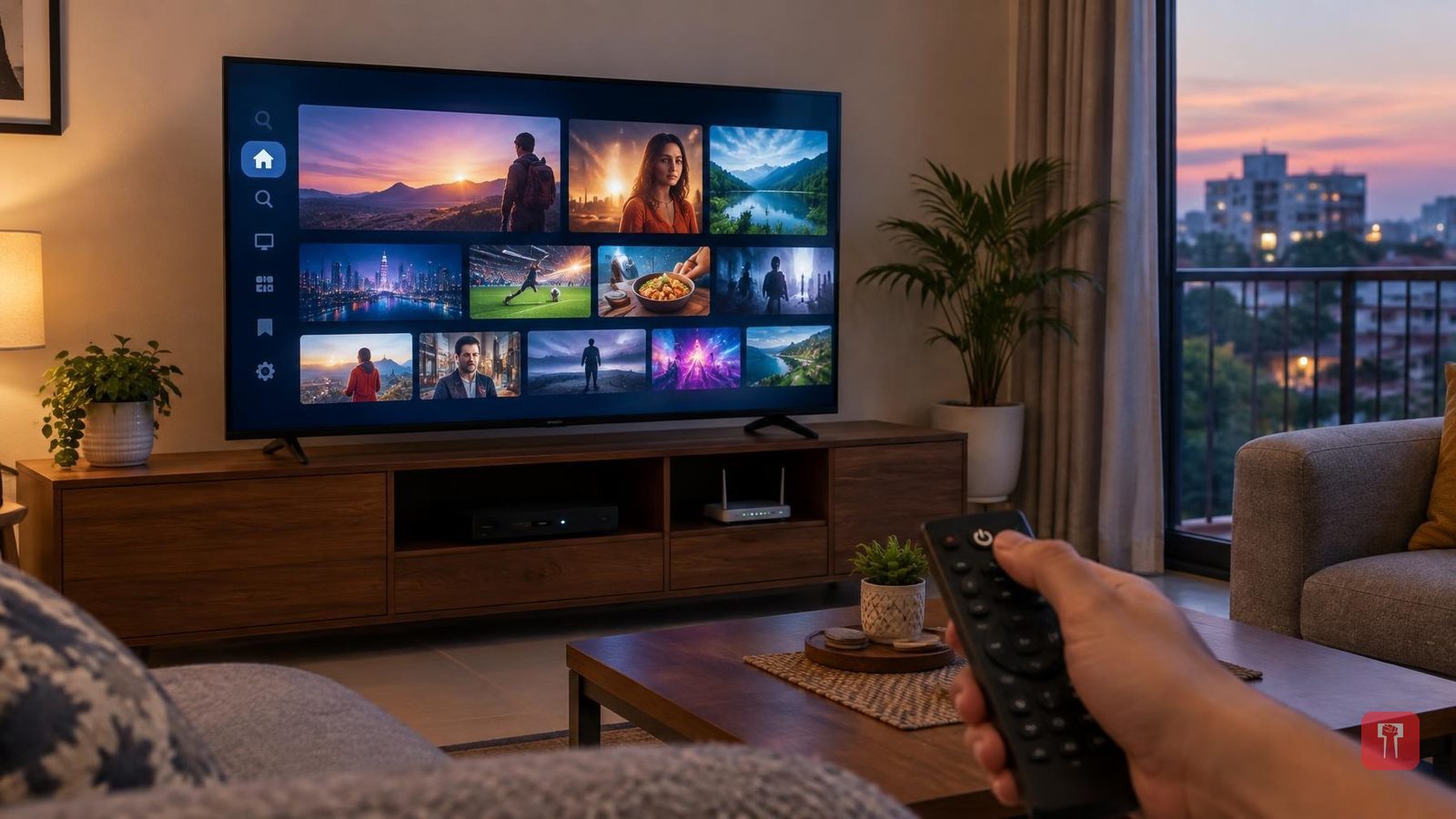
Viewers who watch free TV on smart TVs may soon have to pay for services that are currently free. The Telecom Regulatory Authority of India (TRAI) is preparing to tighten its grip on internet TV services, and if the plan goes through, services that are free today could come at a cost.
The exercise began after a directive from the Ministry of Information and Broadcasting. The ministry had asked TRAI whether Free Ad-Supported Streaming TV (FAST) and App-based Linear TV Distribution (ALTD) services, which offer free and scheduled TV channels online, should be brought under licensing. According to reports, TRAI's stance is that providers offering TV-like services over the internet cannot be exempted from regulation. This means TRAI could recommend bringing these services under a strict regulatory framework and licensing system.
The matter has split the TV and broadcasting industry into two camps. On one side are cable and DTH operators, who have long demanded that internet TV services be brought under the same rules that apply to them. Broadcasters argue that cable and DTH operators have to follow strict tariff, consumer protection and content code rules, while those offering TV channels over the internet are exempt from these. On the other side are OTT platforms and technology companies, which oppose any new TRAI rules. They say they merely use internet and telecom networks and are not telecom operators themselves. It is also being argued that OTT services have already been kept outside the Telecommunications Act, 2023, and that merely offering a channel-like format does not make a service equivalent to traditional TV. These companies believe they should be governed by existing IT rules rather than cable or DTH regulations.
The use of smart TVs and connected devices is growing rapidly in the country. The number of connected TVs in Indian households could double from 2 crore to 4 crore by 2028. This growth is also bringing major economic shifts to the sector, and people now appear less willing to pay for TV subscriptions.
If TRAI applies cable TV or DTH-like rules to internet TV as well, viewers will be directly affected. They will gain the right to file complaints in case of poor service or fraud, and internet channels will face the same curbs on obscene or misleading advertisements and objectionable content as television. But the flip side is that several channels currently available free on the internet could start charging users once licence fees are imposed. In short, watching TV on the internet may no longer remain free.
