

Supreme Court seeks Sanjay Raut's explanation over remarks on judiciary; AG consents to contempt action
The Attorney General has reportedly consented to criminal contempt proceedings against the Sena (UBT) MP over remarks on the court and the Chief Justice made at an INDIA bloc rally.
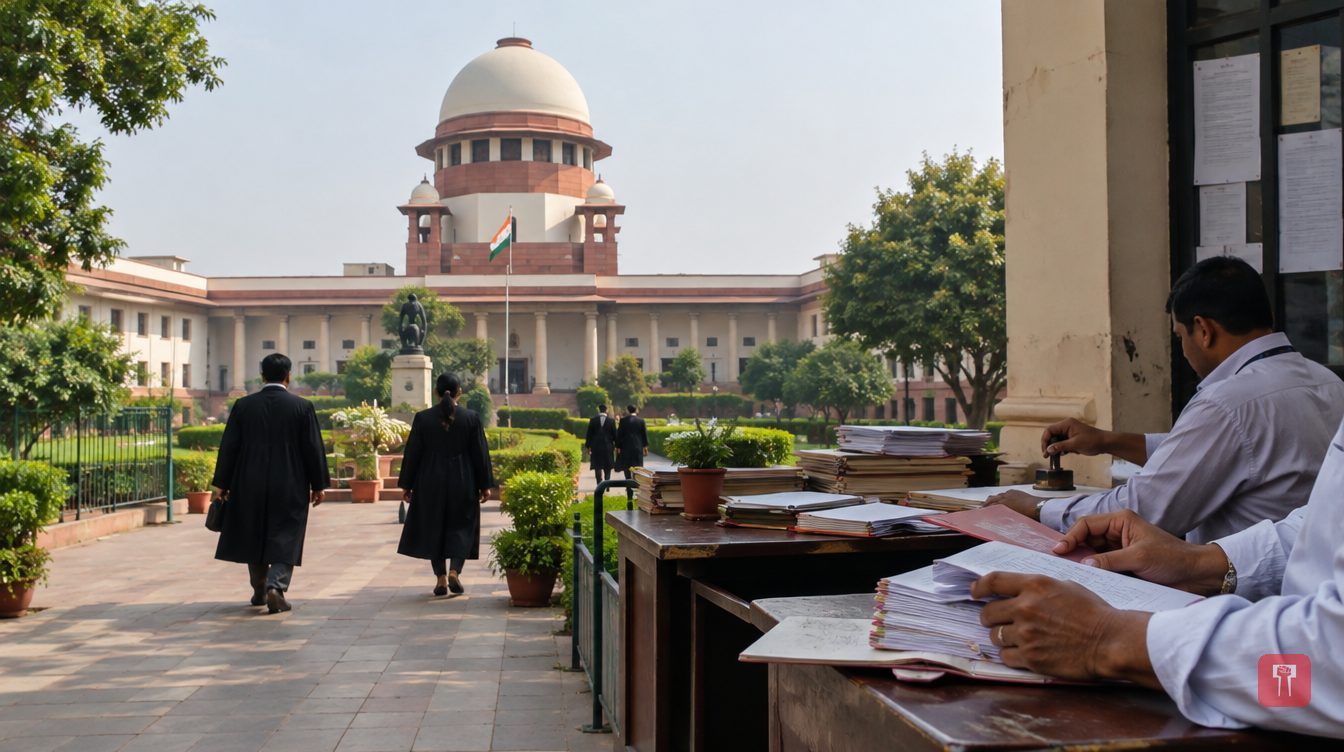 Images are not validated/verified
Rajya Sabha member Sanjay Raut of the Shiv Sena (Uddhav Balasaheb Thackeray) is likely to face more trouble. The Supreme Court has taken serious note of his statements about the court and the Chief Justice. Raut has been asked to explain remarks made at an INDIA bloc rally.
In the same matter, the Attorney General has reportedly given consent to initiate criminal contempt of court proceedings against Raut. Political circles and the country are now watching what happens next.
A petition against the Election Commission was being heard when the Supreme Court is said to have recorded observations on the conduct of INDIA bloc leaders. In this context, the court has also sought an explanation from Raut for his statements.
Chief Justice Surya Kant is reported to have taken a firm stand on the matter. He is said to have made it clear that statements made on public platforms about the functioning of the court and the people in the judiciary are not being ignored. He also observed that judges do not remain detached from society and are not unaware of statements made in public discussion.
On what Raut had said, at the INDIA bloc rally he criticised the state of democracy in the country, the election process and the role of the Supreme Court. Alleging that the court had refused to meet the Opposition, he had said that in a time of crisis the Supreme Court had closed its doors to the people.
He had also claimed that some judges of the Supreme Court and the High Courts have links with BJP leaders, and on that basis had questioned the impartiality of the judiciary. He had further alleged that judges take part in social events with BJP leaders. These statements have sparked a controversy over the dignity of the judiciary, and an explanation is now being sought at the judicial level.
One point needs to be noted. Getting consent to initiate proceedings and a court holding a person guilty of contempt are two different things. At this stage, it cannot be concluded that Raut has been found guilty. The next hearing and the court's orders will be decisive.
Raut may now have to explain the context of his statements and the position behind them. The court can decide the next step after considering that explanation and the relevant legal issues. All eyes are on how the formal criminal contempt proceedings move forward.
