

Super El Nino may cause 4.51 lakh heat deaths worldwide in next six months
A Chicago University study warns a strengthening super El Nino could cause 4.51 lakh excess heat deaths worldwide between September 2026 and February 2027.
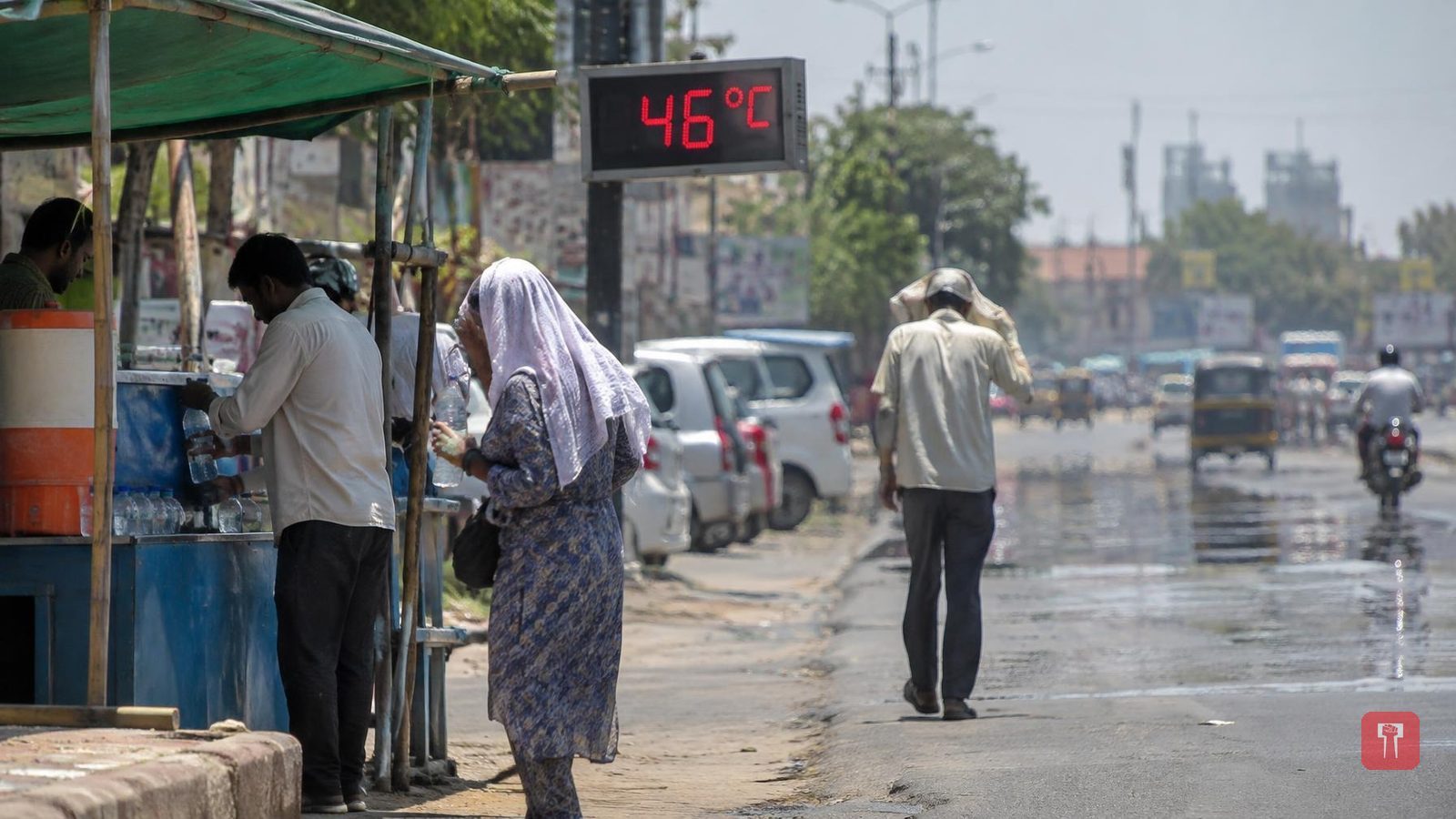
Scientists are growing increasingly worried about the upheaval being seen in weather patterns across the world. The natural climate phenomenon known as El Nino has now become a major concern for researchers. A recent report says the coming months could see a severe impact from a super El Nino. Between September 2026 and February 2027, extreme heat could put the lives of millions of people around the world at risk.
The Climate Impact Lab at the University of Chicago has released a new, detailed assessment on the issue. According to the report, as the current super El Nino strengthens, the earth's temperature will rise sharply.
The report says that between September 2026 and February 2027, the world could see around 4.51 lakh (451,000) additional deaths compared to a normal year, caused by heat alone. This figure is far higher than deaths in an average year. The research says El Nino's effect could push global land temperatures 1.2 degrees Celsius above normal, leading to 44 percent more days of extreme heat compared to a normal year. Researchers say this is just a glimpse of what the world's temperatures could look like two decades from now.
India and other countries in the northern hemisphere are particularly vulnerable in this crisis. According to the findings, India could see around 15,800 additional heat deaths between September 2026 and February 2027, including an uncertainty margin of about 1,600. December to February will be especially critical for India, with nearly half of the estimated deaths, around 7,400, expected in these three months alone. Researchers say conditions are likely to worsen further next summer in northern hemisphere countries like India.
Among other Asian countries, Indonesia could see around 19,300 additional deaths, while Southeast Asian countries including the Philippines, Vietnam, Thailand and Cambodia could together see around 19,400 additional deaths. In Africa's Sahel region (Nigeria, Sudan, Niger, Chad), the figure could reach 66,800, with Nigeria alone accounting for an estimated 31,400 deaths. Brazil could also see around 13,300 lives at risk from the severe heat.
The World Meteorological Organization (WMO) and the US agency NOAA have already issued clear warnings about El Nino strengthening. The WMO says there is close to a 100 percent chance El Nino will persist until February 2027, meaning the threat could remain for a long time. According to data from Copernicus, the average global surface temperature in August 2026 was 16.96 degrees Celsius, the warmest August on record, and 1.65 degrees Celsius above the pre-industrial average. In August, sea temperatures in the Nino 3.4 region were 1.8 degrees Celsius above normal, while in the eastern equatorial Pacific the difference exceeded 3 degrees Celsius.
Michael Greenstone, co-founder of the Climate Impact Lab, said that until now climate impact was measured mainly on crops, but estimates of its severe effect on human lives are now emerging as well. He said these figures are not meant to alarm people but are an urgent signal for policymakers to take strong action. The report lists some necessary steps to deal with this threat, including effective early warning systems to alert people ahead of heatwaves, cooling centres and drinking water facilities in public places, changes to working hours for labourers who work in the sun, and special arrangements for treating heatstroke in hospitals.
