

Study finds people paid male AI agent 10.25% more than identical female agent
Researchers at the University of Limerick found participants gave a male AI agent more pay than a female one despite identical algorithms, technology and tasks.
 Images are not validated/verified
Artificial intelligence (AI) has so far been regarded as a fair and neutral technology free of human error. A new study by researchers at the University of Limerick shows that gender bias in human thinking has now surfaced openly in the world of AI as well. According to the study, participants paid a male AI agent 10.25% more than a female AI agent, even though the work and the technology were the same.
The study is being presented at the 14th Nordic Conference on Human-Computer Interaction. It has stirred the technology sector and the wider corporate world, and the question of human prejudice in AI is gaining ground.
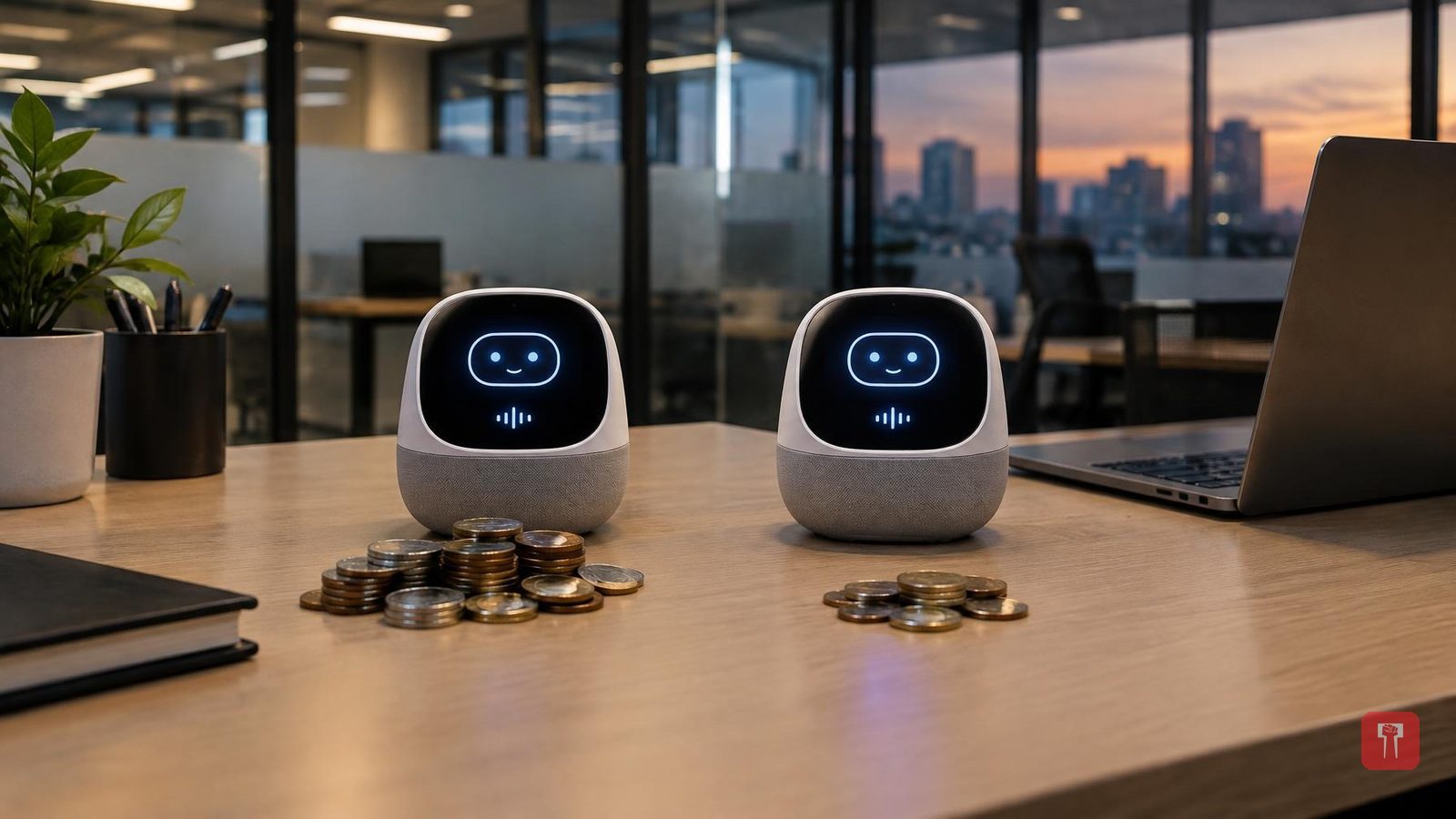
For the experiment, the researchers asked 189 participants to work in a virtual reality (VR) office environment. Two AI agents were placed in the virtual office to help them: a male agent named Jonah and a female agent named Johanna. The algorithm, technology, intellectual capability and tasks behind the two were 100% identical.
Yet when it came to paying for the work, participants gave Jonah, the male AI, 10.25% more than Johanna, the female AI. The researchers say the 10.25% gap matters a great deal, because the only difference between the two agents was that one was presented as male and the other as female.
The most interesting and worrying finding was that people considered the male AI agent more human-like than the female one and expressed greater trust in it. During the experiment, many participants said verbally that "it makes no difference to us whether the AI is male or female." But when it came to deciding on payment, clear gender bias showed in their behaviour.
Participants also said they preferred AI that does not look distinctly human. Even so, when it came to real work and trust, people placed more trust in AI voices, text chatbots and desk robots that seemed more human-like and male-like, and paid them more.
The study matters for the corporate world because the use of AI agents in offices around the world is growing fast. According to experts in the IT consulting sector, about 80% of companies worldwide will be using AI agents in some form in their day-to-day work by 2026. If gender bias persists in the design and presentation of AI, it will seriously affect workplace culture and decisions on pay.
According to figures from last year, the average hourly earnings gap between men and women in Britain (the gender pay gap) was 6.9%. Among human employees with equal work and equal skills, a gap of 1 to 2% is seen. That the same human prejudice reaches 10.25% in the case of digital AI agents is being seen as a very dangerous sign for the technology of the future.
Dr Mary Hausfeld, a co-author of the study, said: "People generally see AI as a neutral and fair medium. But when we give AI a human form, face or gender, it automatically triggers the old social prejudices and sense of discrimination lodged in the human mind." She said that if proper care is not taken in creating the technology, old patterns of discrimination, inequality and injustice in human society will be rebuilt in this new digital era.
