

Stellantis to invest Rs 4,000 crore in India, launch 12 new Jeep and Citroen models by 2030
Under its Fastlane 2030 plan, Stellantis will bring seven all-new products and five major upgrades from Jeep and Citroen over three years.
 Images are not validated/verified
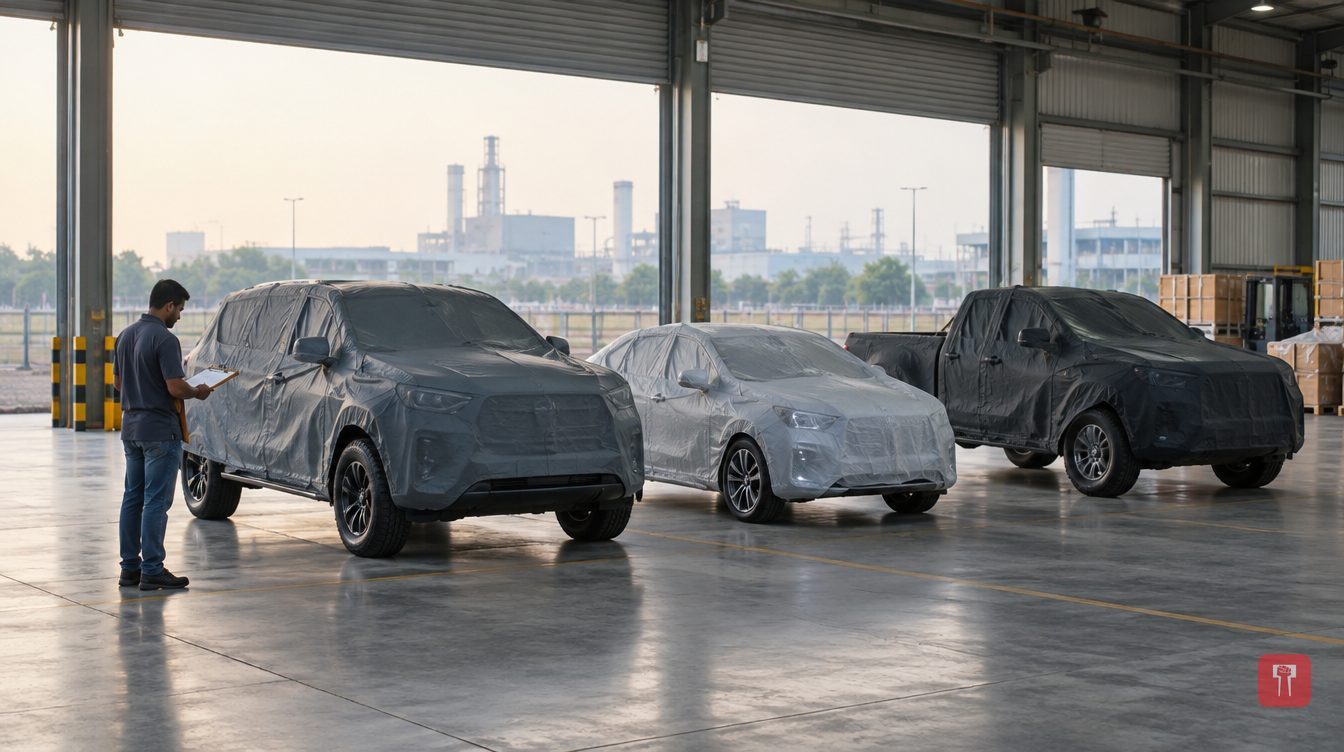
Stellantis announced the next phase of its growth in India in October 2026. The company said this marks a shift from laying the foundation of its business to expanding it. Under Fastlane 2030, Jeep and Citroen will bring 12 products over the next three years, of which seven will be all-new and five will be major upgrades.
The aim is to make Jeep and Citroen vehicles far more visible on Indian roads. The launches will include products in the B, C and D SUV segments, an MPV, an A-segment car and a premium pickup. The first product on the new roadmap is planned for launch by the second quarter of 2027.
The push will be backed by fresh investment of an estimated Rs 4,000 crore (about 400 million euros) over the next three years. This will take Stellantis's total investment in India from Rs 11,000 crore to an estimated Rs 15,000 crore by 2030. The roadmap has launches of five Jeep and seven Citroen products. The two brands will remain separate but will complement each other.
The announcement comes at a time of growth in the business. Stellantis India's business grew 35 per cent in the second quarter of calendar year 2026 compared with the first quarter. Citroen's retail sales rose 68 per cent in the second quarter of 2026 compared with the same period last year.
Tianshu Xin, chief operating officer of Stellantis Asia-Pacific, said: "For Stellantis, India has a dual role. It is an important market where we have to expand, and also a steadily growing and important capability base for the whole region and the larger group." He said India is a long-term commitment for the company, not just a market to sell in. According to him, the region-led model under Fastlane 2030 gives the India team more decision-making authority.
Shailesh Hazela, CEO and managing director of Stellantis India, said: "Our commitment to India will be judged by the kind of product we put on the road. After laying a strong foundation over the past few years, our focus is now on expanding the business." He said the 12 Jeep and Citroen launches in three years will significantly increase the company's share in the market. With deep local production and a strong sales and service network, customers will get more choice across segments and powertrains.
The next phase rests on investment of more than Rs 11,000 crore (more than 1 billion euros) made in India so far. Stellantis currently runs three plants: at Ranjangaon in Maharashtra and at Tiruvallur and Hosur in Tamil Nadu. Engineering and software capability in Bengaluru, an ICT presence in Hyderabad and a growing network of domestic suppliers are also at work.
Jeep will expand across several segments with new products and advanced powertrains, strengthening its position in premium SUVs. Citroen will enter the mass and higher-volume segments with distinctively identified vehicles built to Indian customers' needs, with a special emphasis on comfort, design and technology.
The upcoming portfolio will follow a multi-energy strategy, with efficient internal combustion engines, hybrids, plug-in hybrids (PHEV) and battery-electric (BEV) technology. Powertrains will be decided on the basis of customer needs, affordability, regulations, availability of infrastructure and the economics of each segment.
The company is steadily expanding the shared Jeep and Citroen network, with an emphasis on sales, service, spare parts and the ownership experience. The Stellantis brand house format will support expansion into markets in tier-2 and tier-3/4 cities where it is commercially viable. Localisation will be a priority, and the target is 90 per cent local content across both brands.
India will also play a larger role as an export hub for the group. Stellantis currently exports from India to about 50 countries, and an estimated 95 per cent of the engines and gearboxes made at the Hosur plant are exported. Under Fastlane 2030, the plan is to export India-developed vehicles to markets at home and abroad. Details of each product, powertrain and launch timing will be shared in the relevant market closer to its introduction.
