

Sri Lanka Easter bombings: 15 convicts get up to 220 years each in jail
Colombo High Court's special Trial-at-Bar bench convicted 15 of 24 accused in the 2019 Easter Sunday bombings case after a five-year trial.
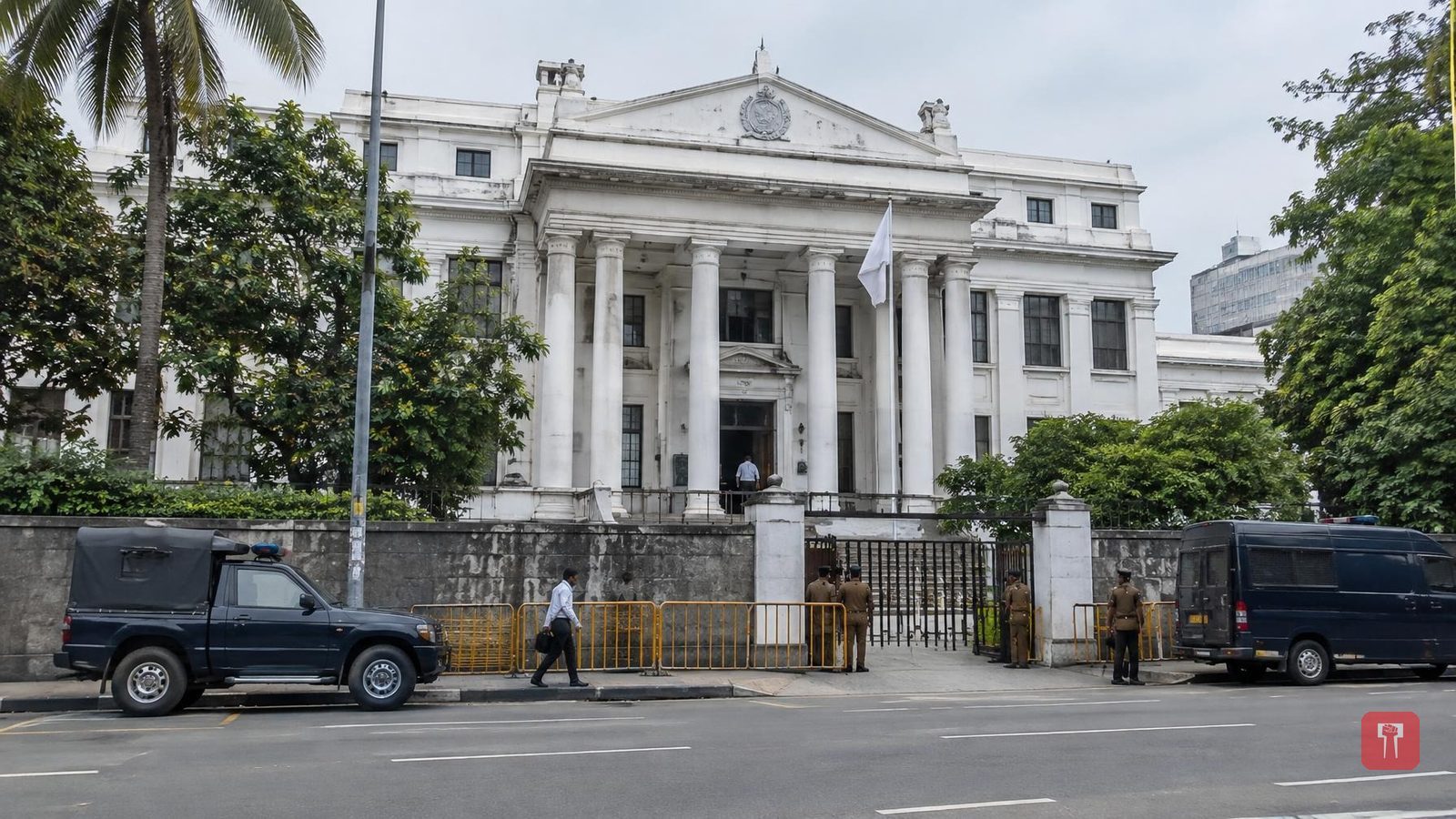
A verdict has finally been delivered in Sri Lanka's 2019 Easter suicide bombings case. The special Trial-at-Bar bench of the Colombo High Court sentenced 15 accused to terms ranging from 200 to 260 years each, averaging around 220 years of rigorous imprisonment. The ruling came after a five-year trial into the attacks, which killed more than 270 innocent people and injured over 500 others.
The three-judge bench, comprising Justice Navaratne Marasinghe, Justice Ramanathan Kannan and Justice Sujeewa Nissanka, read out the final verdict. Of 24 accused in total, the court convicted 15 on serious charges including conspiracy, aiding terrorist activities, murder and possession of explosives, while the remaining nine were acquitted for lack of evidence. The court also ordered the government to seize the movable and immovable property of all 15 convicted persons.
On Easter Sunday, 21 April 2019, a series of suicide bomb attacks struck Sri Lanka. The attacks were carried out by nine suicide bombers belonging to the local Islamist extremist group National Thowheeth Jama'ath (NTJ), which had links to the international terrorist organisation ISIS. The bombers targeted three major Catholic churches and three five-star hotels in and around Colombo. The massacre killed 270 innocent people on the spot, including 11 Indians, while more than 500 others were seriously injured.
The trial was complex and lengthy. The prosecution examined a total of 2,309 witnesses, and 23,270 separate charges were framed against all the accused combined. The court also convicted the case's main mastermind, Mohammadu Ebrahim Mohammadu Naufer, referred to as "Naufer Moulavi," of conspiracy and sentenced him to 220 years in prison. It was established in court that Naufer Moulavi had brainwashed other young men through his religious sermons and pushed them towards terrorism.
Investigations by Sri Lanka's security agencies after the attack found links to India and to fugitive radical preacher Zakir Naik. Several arrested terrorists and suspects told security agencies that they had been radicalised after watching Zakir Naik's online videos and inflammatory speeches, and joined the terrorist organisation after that. Zakir Naik fled to Malaysia after legal action began against him in India, and has been living there since.
The attack triggered a major political storm in Sri Lanka. Indian security and intelligence agencies had given the Sri Lankan administration clear and specific advance warning of a possible terrorist attack weeks earlier. Despite receiving such sensitive intelligence, then President Maithripala Sirisena and then Prime Minister Ranil Wickremesinghe faced sharp questions for failing to take proper precautions and prevent the attack. The incident exposed gaps in Sri Lanka's internal security and had a major impact on the country's tourism and economy. The verdict, coming five years later, has brought some relief to the families of the dead and to survivors.
