

Six journalists of Egyptian fact-checking platform Matsadaash arrested over alleged Muslim Brotherhood links
Egypt has arrested six journalists of the independent platform Matsadaash, alleging Muslim Brotherhood ties; rights groups call the charges baseless and demand their release.
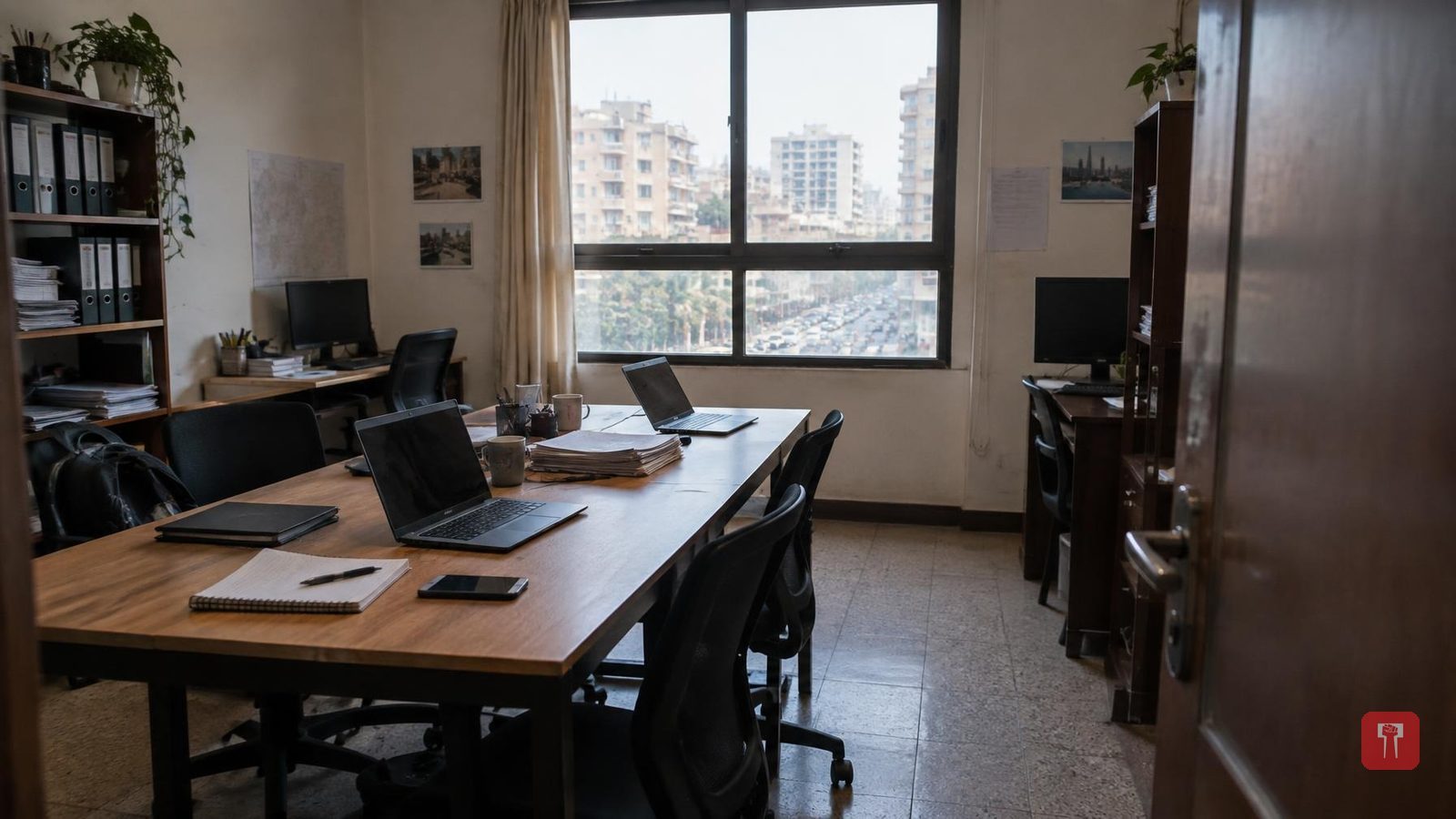
Egyptian authorities have arrested six journalists from the editorial team of Matsadaash, a well-known independent digital media and fact-checking platform, in a development that has raised fresh concern over press freedom in the North African country.
The journalists have been accused of links with the banned political organisation Muslim Brotherhood. They are also accused of spreading false and misleading news in the country.
According to a statement from Egypt's Interior Ministry, Matsadaash is an unauthorised digital page. The ministry claims it is run by a fugitive member of the Muslim Brotherhood who lives abroad. The authorities say the six journalists were working for the Brotherhood's media wing and produced false and rumour-mongering reports against the government.
Abdelrahman Mansour, a co-founder of Matsadaash, and international committees that work for the protection of journalists have rejected all of the government's allegations as wholly baseless and false.
Matsadaash began about eight years ago. It initially worked as an impartial fact-checking platform that examined false news circulating on social media in Egypt and other Arab countries. Gradually it widened its scope and also took up in-depth investigative journalism on Egypt's social, political and economic issues. This greatly increased the trust that citizens and readers placed in the platform.
The Egyptian authorities had reportedly been watching independent journalists for a long time. In 2023, two senior editors of the organisation were arrested by State Security investigators. Even after prolonged questioning, no evidence was found linking them to the Muslim Brotherhood or any other unlawful organisation, and they had to be released without charge. The detention of the entire team again has now raised a big question mark over impartial journalism in Egypt.
As news of the arrests spread, the action has drawn strong condemnation from around the world. The US-based Committee to Protect Journalists (CPJ), the Egyptian Initiative for Personal Rights and more than 80 international and regional human rights organisations have jointly demanded the immediate and unconditional release of the journalists. According to the rights groups, neither the families nor the lawyers of the six have been given clear information about where they are being held.
Organisations working for journalists' rights say Egypt is counted among the world's leading jailers of journalists. According to current figures, more than 26 independent journalists and digital content creators are held in various Egyptian prisons solely for doing their professional duty. The co-founders of Matsadaash said, "We were only placing the truth and facts before readers, so this sudden action against the organisation is deeply worrying."
Political analysts believe independent and fearless journalism in Egypt is becoming riskier by the day. They say media that criticise the government's policies or work, or that disprove the claims of those in power, have faced continuing action. In their view, by arresting the whole Matsadaash team the Egyptian government has sent a message of fear to other independent journalists.
The events have affected the transparency of information reaching Egyptian citizens. The international community and human rights bodies are watching the case closely, and international pressure on the Egyptian government is growing for the early release of all the detained journalists.
