

Sept 26: Why the UN marks a day against the total elimination of nuclear weapons
The UN observes September 26 every year as the International Day for the Total Elimination of Nuclear Weapons
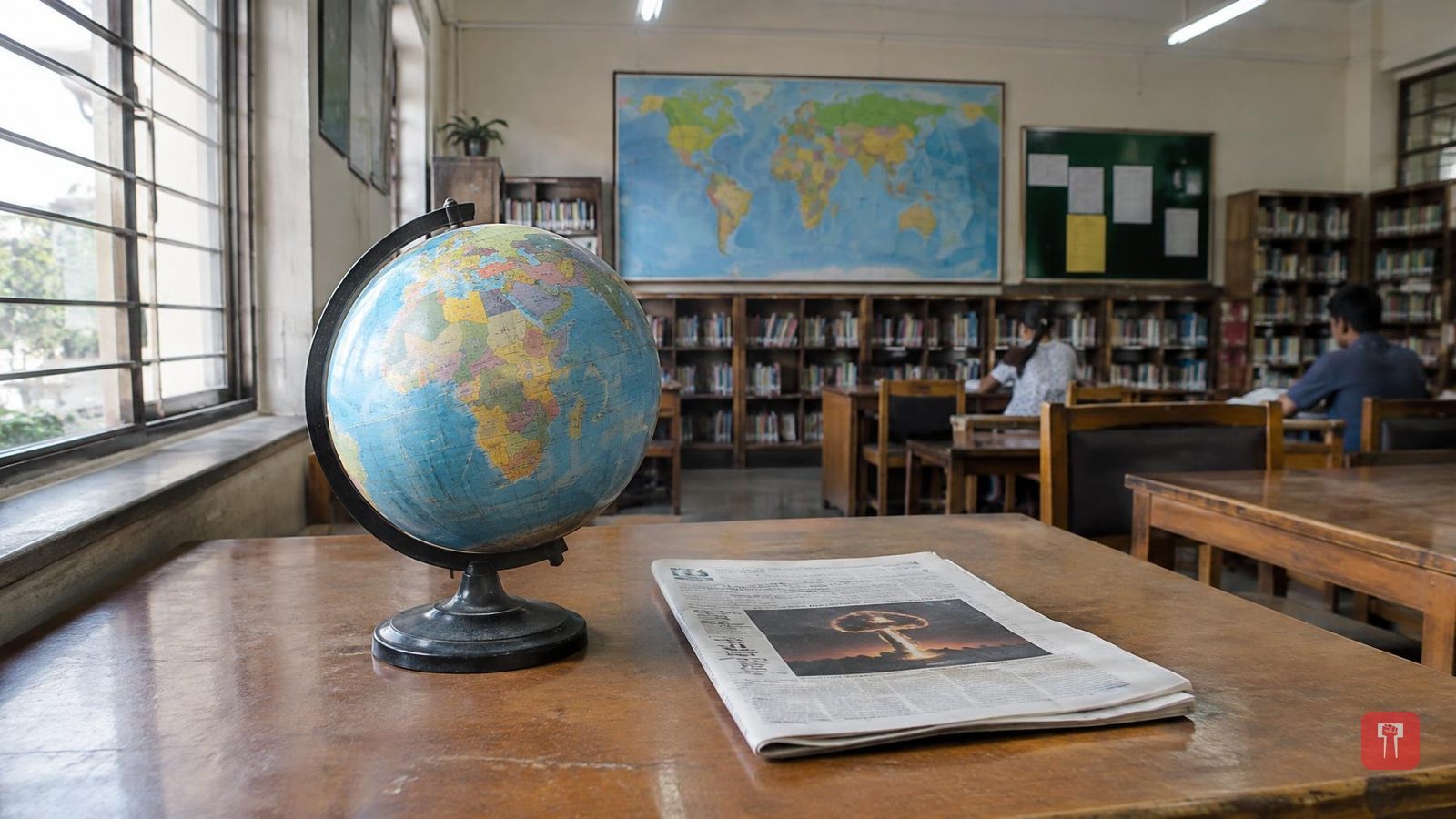
Even as the world advances rapidly in technology and science, the shadow of tension and war in different parts of the globe means the threat of nuclear weapons still looms large over humanity. For global peace, security and stability, it has become essential that all countries give up nuclear weapons. To raise worldwide awareness of this grave threat and to work towards a world free of nuclear weapons, the International Day for the Total Elimination of Nuclear Weapons is observed internationally every year on September 26.
The day is a reminder that as long as nuclear weapons exist anywhere in the world, the existence of humanity and our planet cannot be considered safe. Stockpiling nuclear weapons or threatening to use them in war is not merely a military race, but a highly dangerous game being played with the lives of millions of innocent people.
Nuclear weapons are considered the most dangerous and deadly weapons ever created by humans. History bears witness that the atomic bomb attacks on the Japanese cities of Hiroshima and Nagasaki during the Second World War destroyed millions of lives in an instant. Generations there had to endure the physical, mental and genetic effects of that terrible disaster for decades.
Nuclear weapons built today are far more powerful and dangerous than the bombs of that era. If such weapons were used in a war today, entire cities would be destroyed within seconds. Millions would die, and radiation would contaminate the air, water, land and the entire food chain. The resulting "nuclear winter", a severe change in weather patterns, could devastate agriculture and natural life across the planet.
The United Nations General Assembly declared September 26 as the International Day for the Total Elimination of Nuclear Weapons through a special resolution in 2013. The aim was to bring all member states together to formulate concrete policies for a world free of nuclear weapons. On this day, high-level conferences, seminars and policy discussions are held at UN headquarters and at international forums around the world. These initiatives seek to press major powers and nuclear-armed states to comply with international agreements such as the Non-Proliferation Treaty (NPT) and the Treaty on the Prohibition of Nuclear Weapons (TPNW). World leaders focus on reducing global nuclear weapons stockpiles, halting new nuclear tests, and gradually eliminating all nuclear weapons entirely.
The goal of eliminating nuclear weapons is not limited to leaders or military officials alone; the participation of every citizen of the world is important. On this occasion, several NGOs, educational institutions and organisations working for peace hold rallies, lectures, workshops and essay competitions to educate the younger generation about the social, economic and environmental harms of nuclear weapons.
Billions of dollars are spent every year on building and maintaining nuclear weapons. If this enormous sum were instead used to address poverty, healthcare, education and climate change around the world, the entire world could prosper. This is why September 26 serves as a reminder that only through peace, non-violence and mutual cooperation can we hand over a safe, nuclear-weapon-free planet to future generations.
