

Oil market volatility may last several years, officials warn
Officials say crude price swings and supply uncertainty could persist for years as West Asia conflict and tension on key sea routes strain energy security.
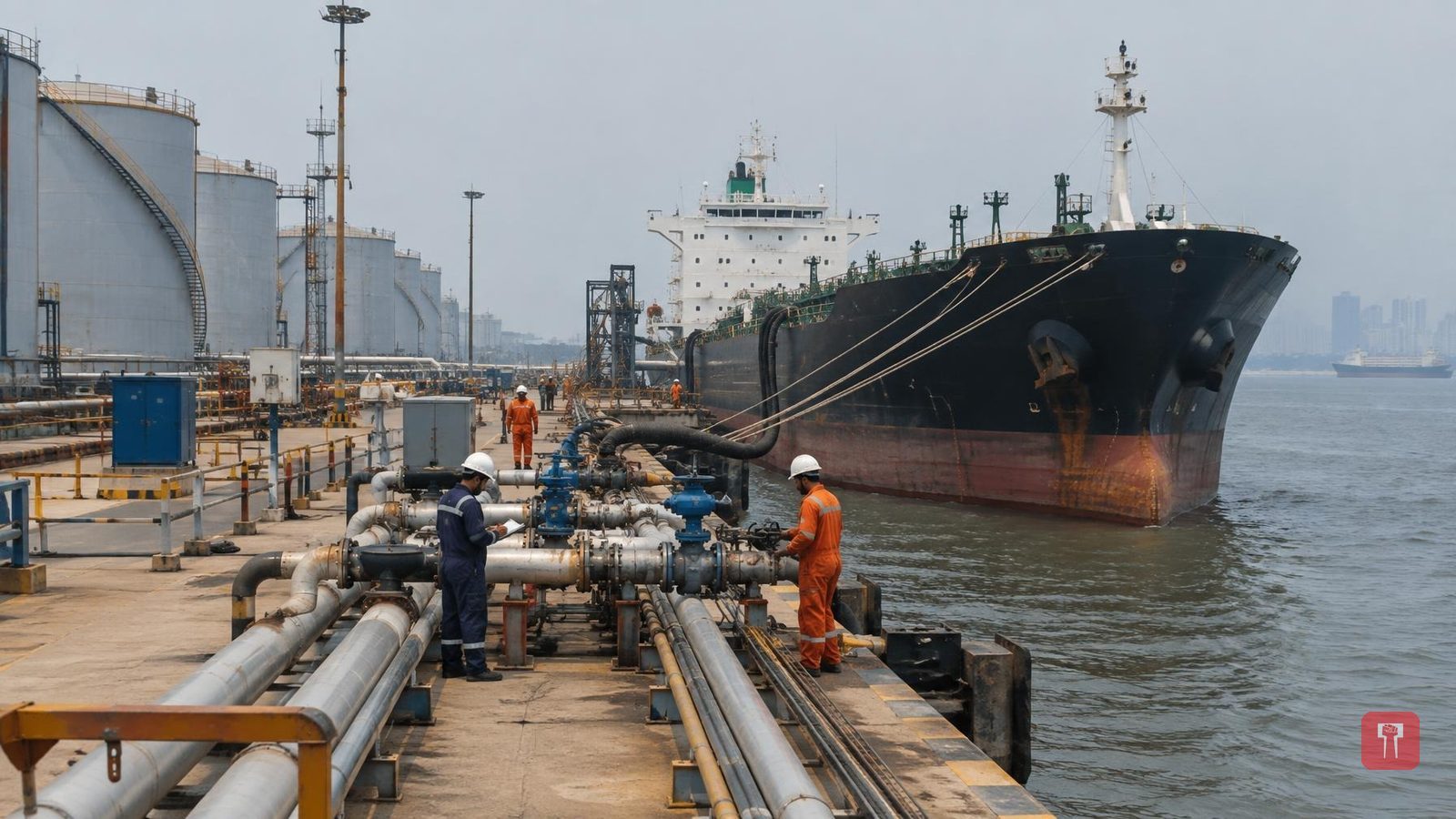
Energy markets worldwide are under growing pressure from war-like conditions, supply chain disruptions and geopolitical tension. Signs suggest the instability in the oil market is unlikely to end soon.
According to some officials, volatility in crude oil prices and uncertainty over supply could continue for several years. The conflict in West Asia and rising tension on key sea routes have created an energy security challenge for the world's major economies.
The West Asia conflict is directly affecting the global oil market. When instability grows in oil-producing countries, production, transport and exports are likely to be affected. If the security of the Red Sea, the Gulf of Aden and other key sea routes comes into question, ships may have to take alternative routes. This could raise shipping costs as well as put pressure on oil prices.
The balance between supply and demand is crucial in the global oil market. If production by major oil-producing countries falls or exports are disrupted, the market could face a supply shortage. On the other hand, demand for oil keeps shifting because of global economic growth, industrial output and fuel demand in the transport sector. Because of these two factors, crude prices are likely to swing widely.
Prolonged volatility in oil prices could affect oil-importing countries. For a large importer such as India, a rise in crude prices could put pressure on import costs, transport costs and inflation.
Governments and energy companies therefore face the challenge of strengthening alternative sources of supply, energy reserves and other fuel options. If the uncertainty in the oil market continues for several years, the global economy could also bear its impact.
