

Samsung's AI-enabled device demand in India up ninefold in three years
Samsung says AI-enabled connected device sales in India jumped from 82,000 units in 2022 to 732,000 last year, with young buyers driving the surge
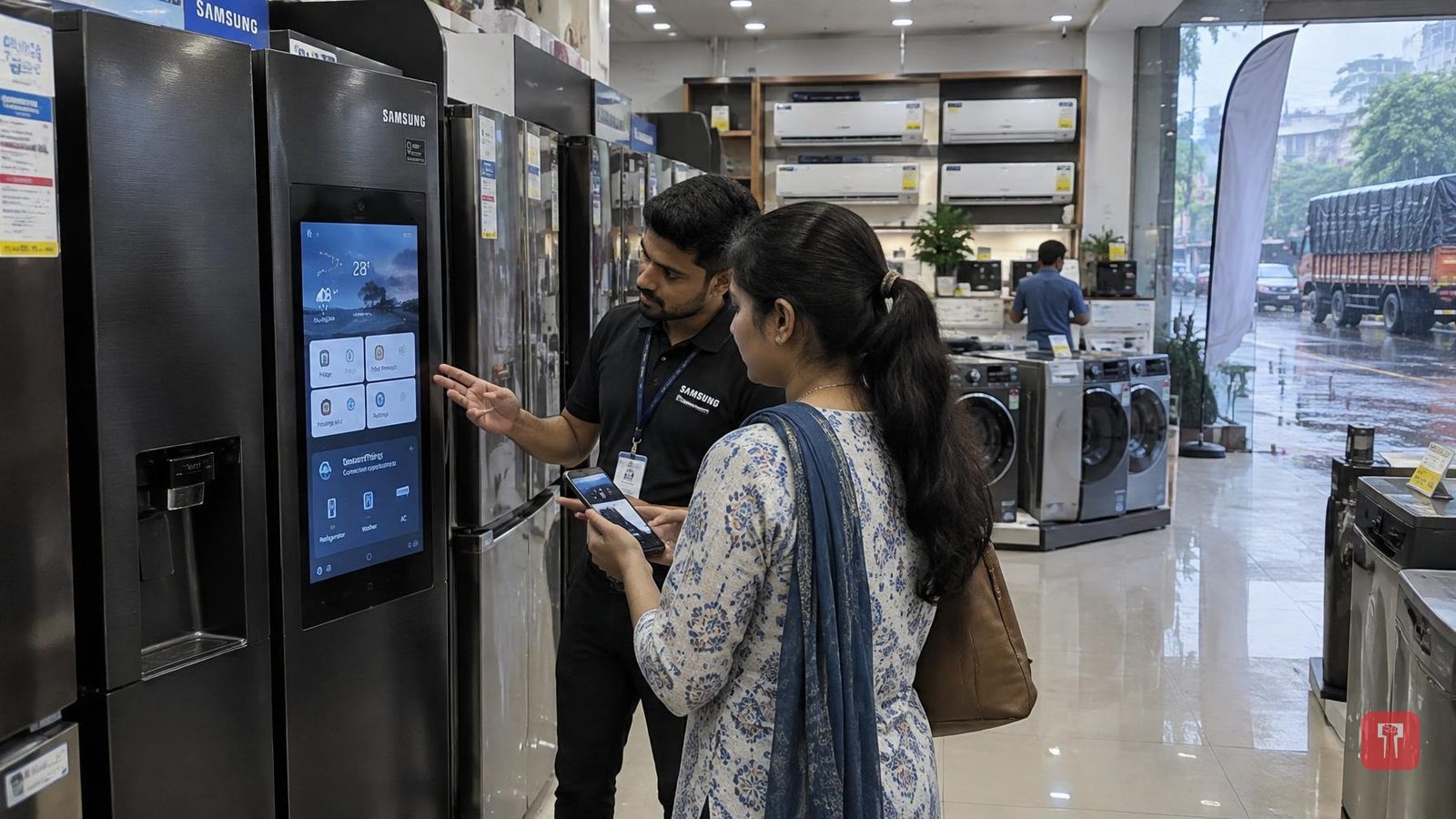
Technology in Indian homes is changing rapidly, and artificial intelligence is at the centre of it. Once confined to expensive TVs or smartphones, the technology has now moved into kitchens, refrigerators, washing machines and air conditioners. Fresh data from consumer electronics major Samsung shows that demand for AI-enabled connected devices in India has grown nearly ninefold over the past three years.
Today's Indian consumer is not just buying functional products but preferring devices that save power, automate tasks and can be controlled remotely through smartphone apps. This has fuelled the rapid growth of a smart home ecosystem in Indian households, making India one of Samsung's fastest-growing major markets worldwide.
According to official information released by Bona Lee, Vice President of Samsung Electronics' Digital Appliances business, the growth of AI devices in India has been striking. The number of new Samsung connected devices sold in the country was just 82,000 in 2022. This rose to 732,000 last year. In the first eight months of this year alone, Samsung has already surpassed its total sales figure for the whole of last year.
This rapid growth has pushed Southwest Asia's share, with India leading the region, in Samsung's global connected devices market from just 2 percent in 2022 to 13 percent in 2026. This suggests the Indian market is now keeping pace with developed nations in technology adoption.
Young consumers in India are the biggest driver of this shift. According to a Samsung study, 71 percent of active users of Samsung's SmartThings app in India and Southwest Asia are aged between 20 and 30, compared to a global average of just 48 percent. Along with metro cities, young and working professionals buying new homes in tier-2 and tier-3 cities are also increasingly drawn to AI devices. Turning on the air conditioner remotely via smartphone while away from home, tracking food stored in the refrigerator, or setting washing machine cycles based on clothing type have become everyday habits for young people.
According to JB Park, President and CEO of Samsung Southwest Asia, more than 50 percent of the total home appliances Samsung currently sells in India are AI-based. Until now, AI technology was largely seen as limited to premium or expensive devices, but the company has changed its strategy. Samsung will soon make these AI features available in mid-range and entry-level devices as well, so that every middle-class family in India gets the direct benefit of an AI home.
Earlier this year, Samsung had set a target of equipping 800 million devices worldwide with AI features by the end of the year, double last year's figure of 400 million. The strong demand from India is helping the company move closer to this global target. The sales figures also make clear that international economic troubles or geopolitical tensions have not hurt purchasing by Indian consumers.
