

Pakistani cleric Tahir Ashrafi calls Houthis terrorists, says they have nothing to do with Islam
Pakistan Ulema Council chairman Hafiz Muhammad Tahir Ashrafi said Saudi Arabia's security is a red line for Pakistan, as tensions between Riyadh and the Houthis deepen.
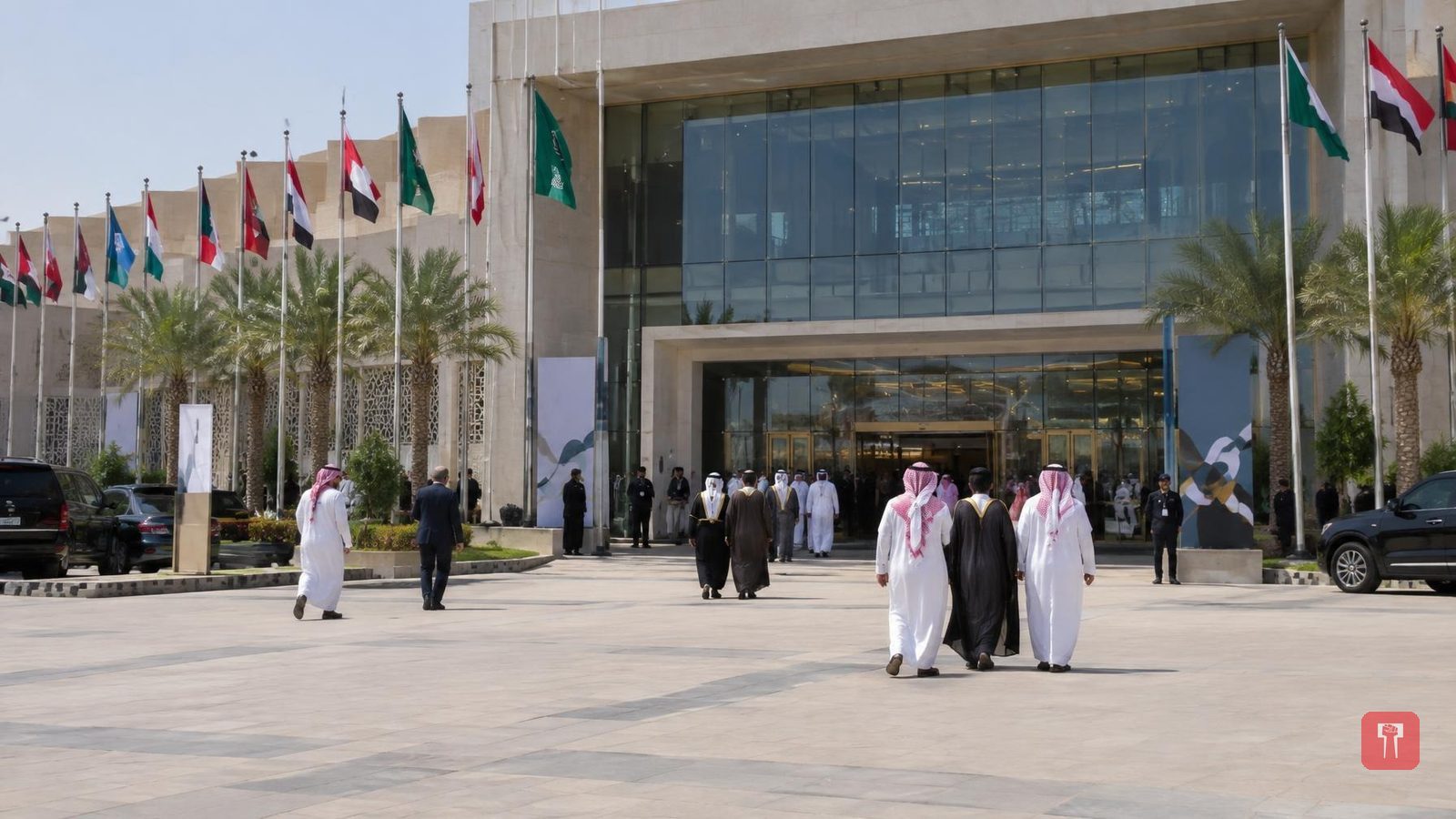
Military tension between Saudi Arabia and Yemen's Houthi rebels has taken a very serious turn over the past few days. Amid the escalating conflict, a statement by a well-known Pakistani cleric has stirred fresh controversy in international political and religious circles. Hafiz Muhammad Tahir Ashrafi, chairman of the Pakistan Ulema Council, openly called the Houthis "terrorists". He alleged that the rebels and their violent actions have nothing whatsoever to do with Islam.
Speaking at an international conference in Saudi Arabia before noted scholars, muftis and experts from around the world, Ashrafi raised the issue of Saudi Arabia's security in strong terms. He described the security of Saudi Arabia, the "Land of the Two Holy Mosques", meaning Mecca and Medina, as an extremely sensitive "red line" for Pakistan. He issued this clear warning to all friends and enemies of the world.
Ashrafi said an enemy of Saudi Arabia would be considered an enemy of the entire Muslim Ummah and of Islam. He declared that the Pakistan government, army and people are fully committed to defending Saudi Arabia.
The war between Saudi Arabia and the Houthis is often portrayed as a religious conflict between Shias and Sunnis. Ashrafi rejected this claim outright. According to him, the war is not between two religious sects or two sovereign countries. It is a fight between a legitimate party and a violent terrorist organisation.
At the same conference, Ashrafi strongly praised the new defence agreement being worked out between Pakistan, Saudi Arabia and Turkey. He said the three-nation pact is essential for the security of the entire region and the stability of the Muslim world.
Following his statement, discussion of Ashrafi's past controversial remarks has revived in the international media. He is the same cleric who in 2007 openly praised Osama bin Laden, the notorious al-Qaeda chief. He had then called bin Laden a true warrior of Islam and demanded that he be given the title "Saifullah", meaning the Sword of Allah.
He has also been a strong supporter of Pakistan's strict blasphemy laws, for which human rights organisations have consistently questioned him. International analysts are criticising what they call Ashrafi's double standard: a history of backing global terrorism on one hand, and branding the Houthis terrorists on the other.
