

No Disposable Cup Day: Carrying your own cup cuts waste and protects the environment
No Disposable Cup Day, marked every year on October 4, urges people to switch to reusable cups to cut waste and protect health.
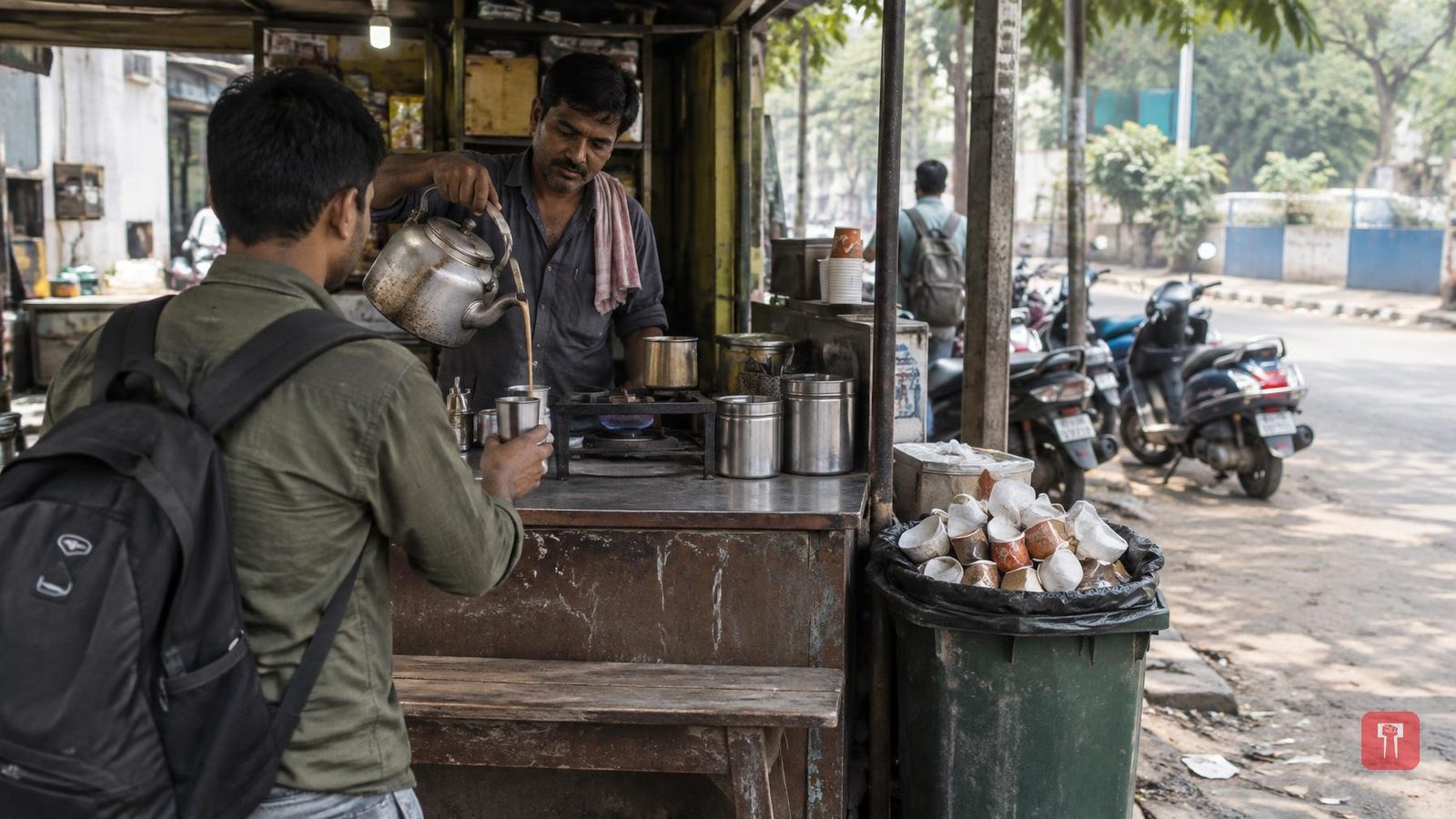
The "on-the-go" culture has spread widely in today's fast-paced life. Whether at a roadside tea stall, a large cafe, a corporate office or while travelling, a paper or plastic disposable cup seems easy and convenient. But we rarely think about how big a threat to the environment this small cup becomes when it is thrown away after a few minutes of tea or coffee.
To draw the world's attention to this growing problem and to awaken a sense of responsibility towards the environment, "No Disposable Cup Day" is observed every year on October 4.
Most people believe the paper cups served at cafes or tea stalls are made entirely of paper and break down easily in nature (biodegradable). The reality is quite different. To keep hot tea or any other hot drink from leaking, a very thin layer of plastic (polyethylene) is applied on the inside of these paper cups. For this reason the cups cannot be recycled easily, and they take hundreds of years to decompose. Every year, billions of disposable cups end up in garbage dumps or in the sea around the world.
Excessive use of disposable cups does not just add to the waste; it affects our natural ecosystem at its roots. When these cups pile up at landfills or are burnt, they release toxic gases. With rainwater, the plastic dissolves and enters the soil as microplastics and directly into water sources.
According to research, when very hot tea or coffee is drunk from these plastic-coated paper cups, millions of tiny microplastic particles enter the body within a few minutes. This carries a risk of serious long-term effects on health. Refusing disposable cups has therefore become very important not only for nature but also for one's own health.
"No Disposable Cup Day" is not a one-day campaign. It carries a message of a permanent change in the way we live. At the office, while travelling or when going to a cafe, we can make it a habit to carry our own reusable cup made of steel, glass or bamboo. Many cafes and restaurants now promote this green initiative by giving special discounts to customers who bring their own bottle or cup.
If each of us stopped using at least one disposable cup a day, thousands of tonnes of waste could be cut in a year. This small change will prove very important in protecting nature and preventing the waste of resources.
