

New rules for SBI ATM use, bulk FDs, UPI merchant payments, NPS and LPG subsidy take effect in October
Changes in SBI salary package accounts, bulk deposits, UPI merchant payments, NPS charges and LPG subsidy norms affect customers' transactions and, in some cases, costs.
Several rules for banking, digital payments, pension and LPG customers changed with the start of October. The changes relate to everyday transactions, so they can directly affect customers' behaviour and, in some cases, their spending. They cover SBI salary package accounts, bulk fixed deposits (FDs), UPI merchant transactions, the National Pension System (NPS) and LPG subsidy. Some of the rules came into force on October 1, 2026, while the change on UPI merchant transactions will apply from October 15, 2026.
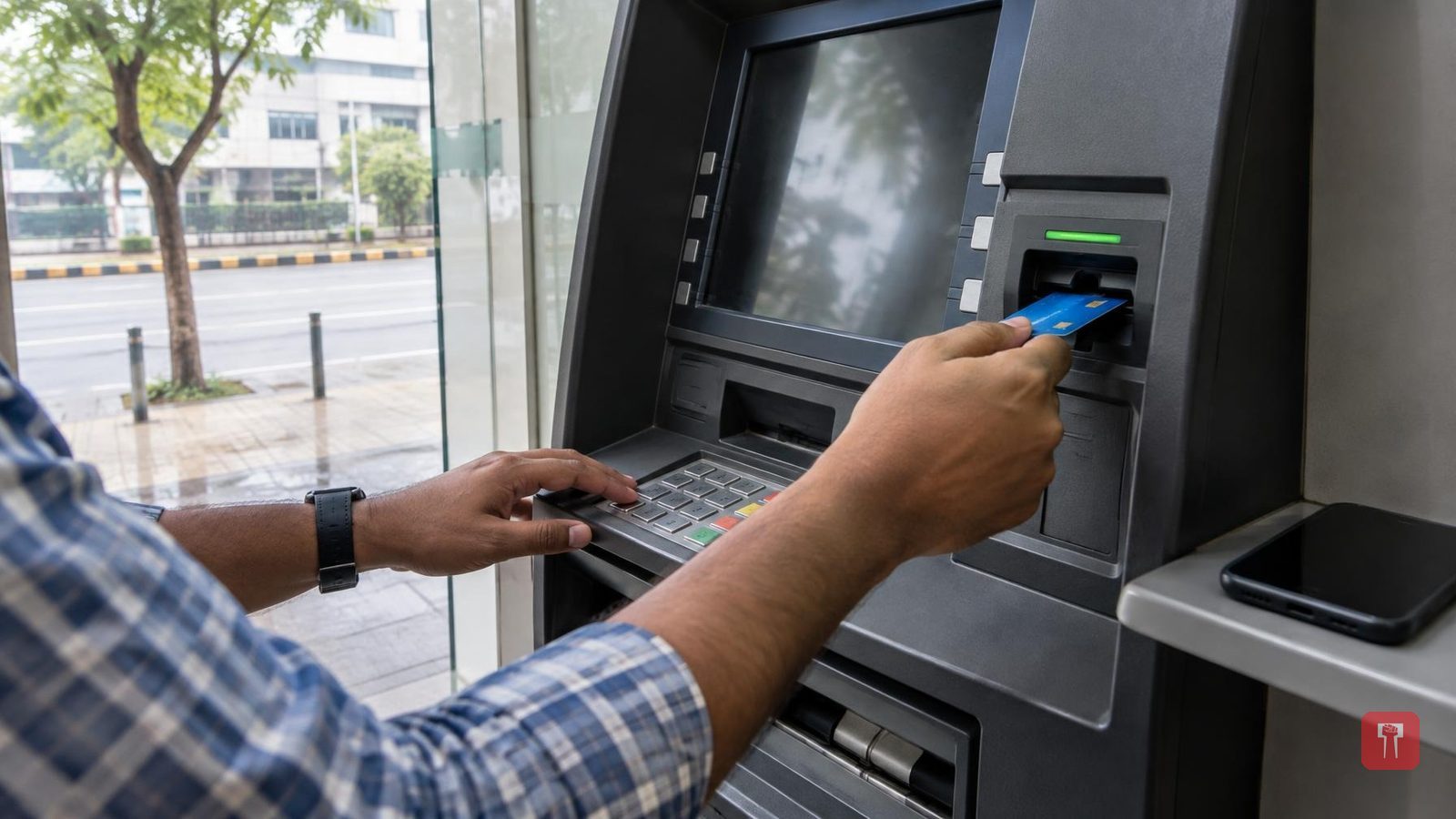
SBI has changed the count of free transactions at other banks' ATMs and ADWM machines for customers with salary package accounts. The rule has been in force since October 1, 2026. Until now, various SBI salary package accounts allowed 10 free transactions a month at other banks' ATMs and ADWM machines. The limit has now been cut to just 5 free transactions a month.
Not only cash withdrawals but other non-financial transactions will also count towards this limit. Salary package account holders will therefore have to keep track of their transaction count when using other banks' ATMs. Customers with Basic Savings Bank Deposit (BSBD) accounts can make 4 cash withdrawals free each month. After that, each transaction will cost Rs 15 plus GST. There is no such limit on digital transactions, which remain free as before.
From October 1, 2026, new RBI rules on large-value fixed deposits, or bulk deposits, have come into force. Under the new rules, banks must disclose in advance the interest rate they offer on bulk deposits. Banks must also announce the interest rate applicable to bulk deposits at 10 am every day.
Banks are generally expected to keep the same interest rate for the same type of bulk deposit. However, the rate may vary somewhat according to Liquidity Coverage Ratio (LCR) norms. Customers who put large sums into FDs will get clearer information on the bank's applicable rate and possible changes to it.
An important change for shopkeepers and businesses that use UPI will come from October 15, 2026. A merchant discount rate (MDR) will be levied on some UPI merchant transactions. The charge may apply to some merchant payments above Rs 2,000. It will not apply to payments up to Rs 2,000, or to transactions of small traders covered by the Zero-MDR arrangement.
It has been stated that about 96 per cent of person-to-merchant (P2M) UPI transactions will not be affected by the change. The MDR will not be the same for every shopkeeper. It will depend on the merchant's business, category and type of transaction.
New charge rules have also come into effect for the NPS from October 1, 2026. The Pension Fund Regulatory and Development Authority (PFRDA) has changed the fee for subscribers registering for NPS and NPS Lite through a Point of Presence (PoP). Under the new rule, registration for NPS through a PoP will attract a one-time onboarding charge of Rs 200 for each PRAN. The Rs 200 fee will not be deducted from the subscriber's account in one go. Those registering afresh for NPS should therefore complete the process only after learning about this charge.
An important change has also come in October for LPG customers. Domestic customers receiving LPG subsidy who have not yet completed Aadhaar biometric authentication (BAA) must do so. Only after completing it will such customers be able to book LPG cylinders at the fixed price with subsidy. Those who have not done so must complete the process as soon as possible. Failing that, they may face difficulty in booking LPG cylinders and availing subsidy-related facilities.
The changes in force in October 2026 relate to ATM transactions, FD investment, UPI payments, NPS accounts and LPG subsidy. Customers should therefore pay attention to the new rules and applicable charges according to how they transact.
