

New BIS rules set to make cheap tempered glass screen guards costlier
From April 1, 2027, smartphone screen protectors without BIS certification cannot be sold, and cheap tempered glass is expected to get pricier.
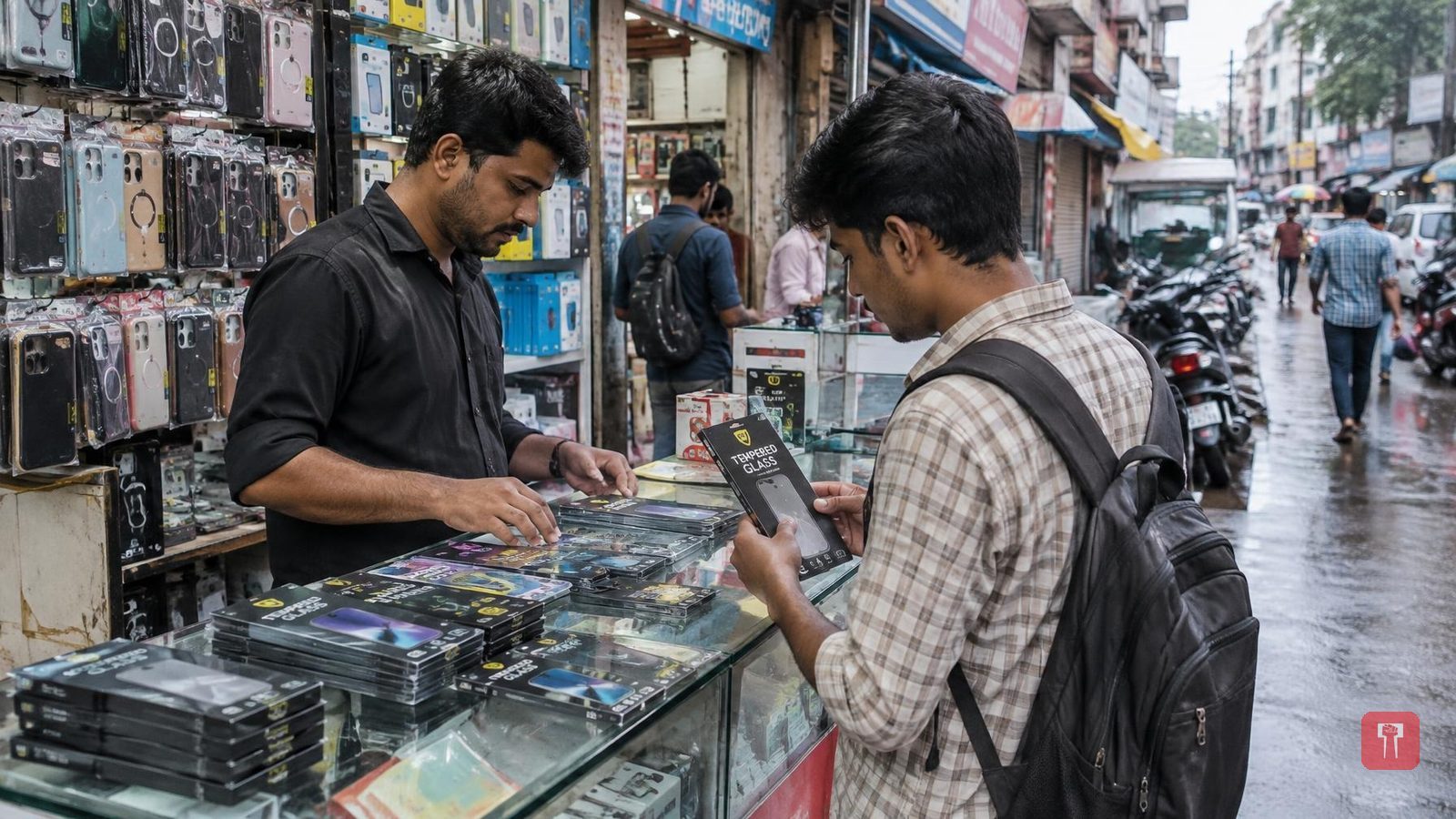
The Ministry of Electronics and Information Technology has made Bureau of Indian Standards (BIS) registration mandatory for smartphone screen protectors. Under the Indian standard IS 19348:2025, sale of screen guards without certification will be restricted from April 1, 2027. Unbranded tempered glass currently available for Rs 50 to Rs 100 is likely to become costlier as a result.
The first reason is the cost of BIS testing and certification. Many cheap screen protectors currently on the market are said to skip rigorous quality checks. Under the new rules, manufacturers and importers will have to complete the required tests and certification process. Checking glass thickness, strength, optical clarity and other parameters will require accredited labs, and the cost of factory audits and regulatory processes could also be added to the final price.
The second reason is the need for better-quality raw material. Cheap screen guards are said to use lower-grade glass so far. To meet strength and impact-test requirements, manufacturers may have to use high-grade tempered or chemically strengthened glass such as aluminosilicate, which could directly affect the selling price.
The third issue concerns optical clarity and special coatings. Glass with good optical clarity is needed so that a screen protector does not affect a display's brightness, colour and touch response. Using technology such as an anti-shatter layer and an oleophobic coating to reduce fingerprints can also raise production costs.
The fourth reason relates to packaging and traceability. The new rules will require manufacturer details, registration number, batch details and standard information to be printed on packaging, raising costs compared with products sold in plain packaging. This will affect unbranded screen guards sold cheaply on roadsides or in small shops more than others.
The fifth reason is the effect on cheap imports and the boost to local manufacturing. India's screen protector market largely uses cheap imported products. BIS certification will require importers to complete quality and certification processes, which could curb substandard or uncertified products. This could also boost domestic manufacturing, but the technology, testing, raw material and packaging this requires could raise initial production costs.
Roadside or unbranded glass currently priced at Rs 50 to Rs 100 could cost more than Rs 150 to Rs 250 after April 1, 2027, as certified basic glass replaces substandard glass. Mid-range screen guards, currently priced at Rs 200 to Rs 300, could rise to Rs 350 to Rs 500, with improved quality and accurate guarantees for in-display fingerprint and touch functions. Premium branded glasses, currently priced above Rs 700 to Rs 1500, are already made to international standards and are unlikely to see much change in price.
Overall, sale of screen protectors that do not comply with BIS standards will be affected from April 1, 2027, which could push up prices of cheap tempered glass currently available for Rs 50 to Rs 100. How much more consumers will actually have to pay will depend on manufacturers, certification costs, raw material prices and market competition. This is likely to shift the smartphone screen protector market away from cheap unbranded glass towards certified, quality products in the coming period.
