

Nepal tables bill for separate menstrual leave for women civil servants
Nepal has proposed amending its Civil Service Act 1992 to give women in government service separate leave during menstruation, and the bill has been registered.
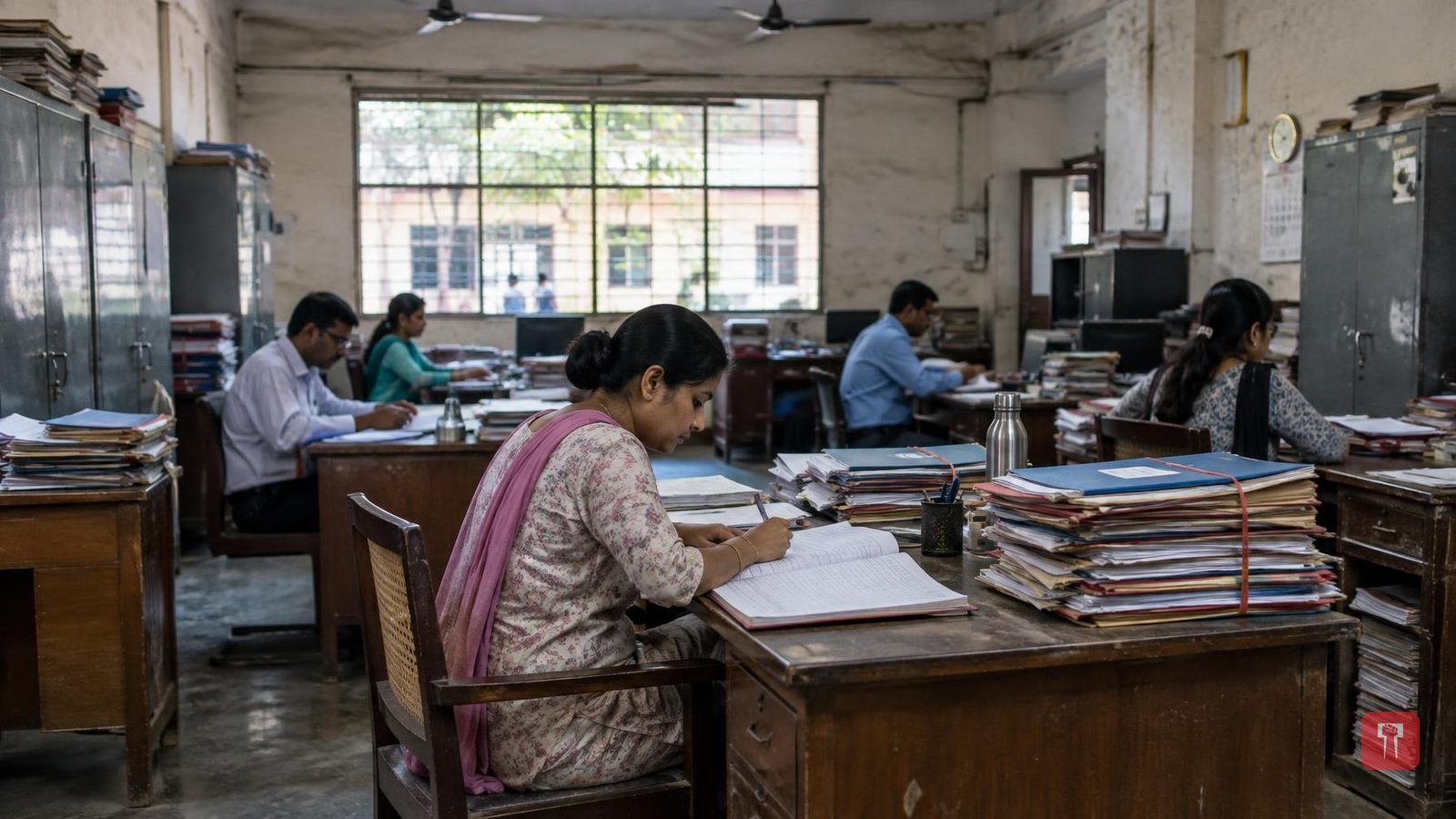
The Nepal government has proposed separate leave for women in government service during menstruation. This will require an amendment to the Civil Service Act 1992. The bill has been formally registered with the provincial and federal parliament secretariats. It is being said that thousands of women employees in Nepal could get physical and mental relief as a result.
Under the bill, the casual leave, home leave, sick leave and study leave that women employees now get will continue as before. The new draft also includes menstrual leave, maternity leave and maternity care leave, which is leave for care after childbirth.
However, the initial draft does not specify the conditions and rules for menstrual leave, or how many days of leave will be given in a year or a month. It has been said that these details will be spelt out in the rules to follow. Even so, the mention of this leave in the draft of the main law itself is being seen as important and welcome for women's rights.
If the bill is passed by a majority in both Houses of Parliament and becomes law, Nepal will join Japan, South Korea and Spain in the list of countries that provide separate leave for menstruation. Most countries in the world do not yet have such a separate provision for women government employees.
Attention has also turned to the situation in India. The Central Civil Services (Leave) Rules have no separate or explicit legal provision for menstrual leave for women employees. Women therefore have to use ordinary medical or casual leave.
In March 2026, the Supreme Court declined to direct the implementation of a policy making menstrual leave mandatory in all government and private establishments. Saying the matter was one of policy and administration, the court did not intervene. Meanwhile, in Bihar and Odisha, women employees of the state governments have for many years received two days of special menstrual leave every month.
Nepal's decision has not come suddenly but is the result of changes over the past two decades. In 2007, the Civil Service Act was amended to set aside 45% reservation for backward and under-represented groups. Of this, 33% of the posts were reserved for women alone. The policy sharply increased the number of women in government administration.
According to official figures from the Nepal government's Economic Survey, the number of women employees on the rolls of the Nijamati Kitabkhana (Civil Employees Record Office) has risen sharply. In 2008, women made up only 8% of the civil service. By mid-March 2026, women's share of total employees in central, provincial and local government bodies had reached 30%. With more women in government offices, it had become necessary for the government to look after their health and convenience at the workplace.
