

Nepal PM raises climate justice at UN after devastating floods
Nepal PM Balendra Shah cited recent devastating floods at the UN General Assembly and proposed a Himalayan Climate Resilience Mechanism with India and China.
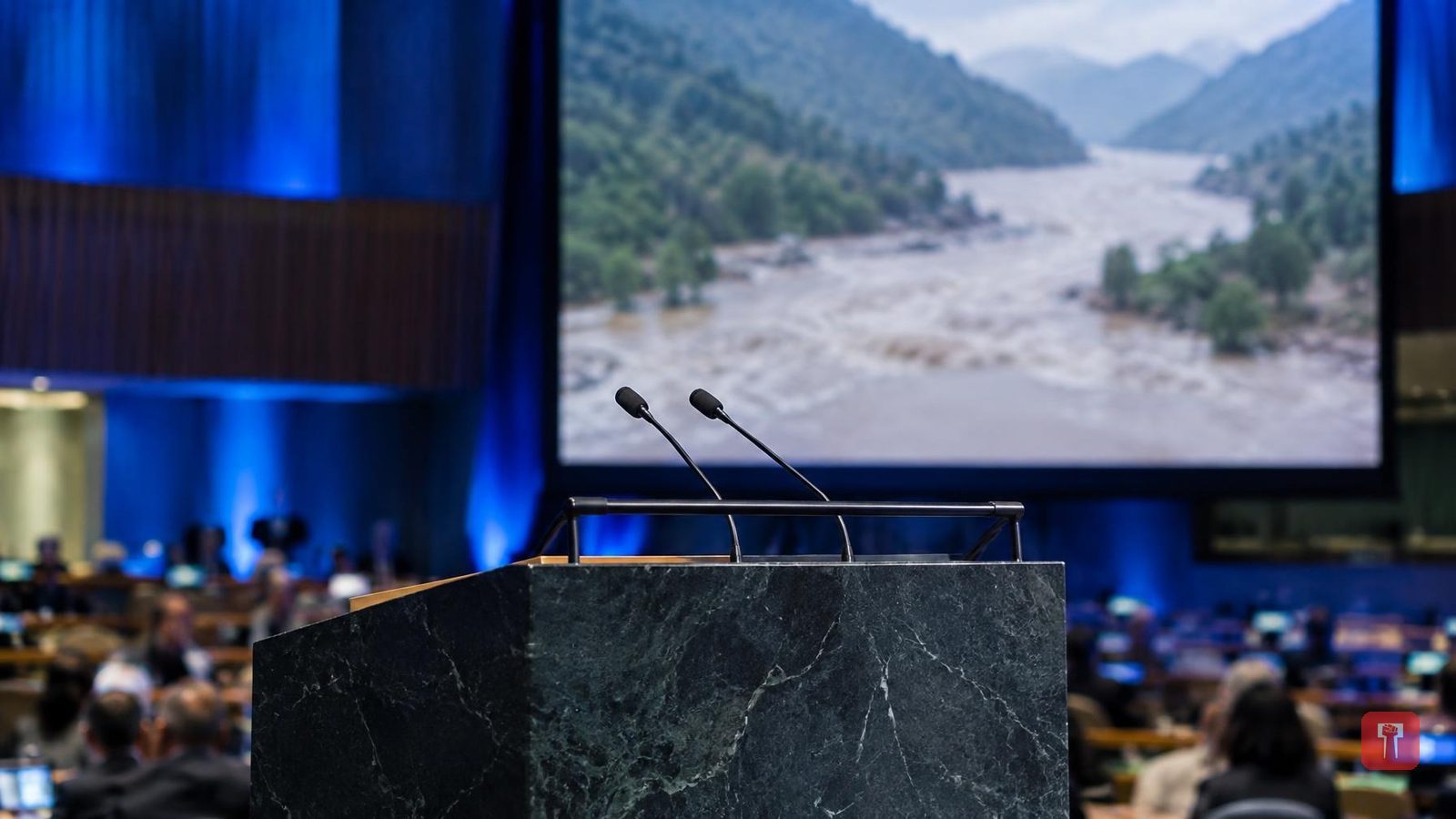
Nepal's Prime Minister Balendra Shah told the 81st United Nations General Assembly that the climate crisis is a growing danger for the world, citing the recent devastating floods in Nepal as a warning not just for one country but for the entire world.
In his address, he said clearly that the countries least responsible for climate change are bearing its heaviest burden. He laid particular emphasis on climate justice, international cooperation and preparedness ahead of disasters.
Shah referred to the recent severe floods in Nepal and the heavy losses they caused. He said rising temperatures, melting glaciers and instability in the Himalayan region are steadily increasing the risk of floods, landslides and other natural disasters.
He said the impact of such disasters is not confined to Nepal alone, since changes in the Himalayan region can affect neighbouring countries as well. He made clear that the climate crisis should not be treated as a local problem but needs action at the global level.
Shah also said Nepal's share in global greenhouse gas emissions is very small, yet countries like Nepal are paying a heavy economic and human price because of climate change.
He said floods, landslides and glacier-related events are damaging roads, bridges, homes, farmland and energy projects, which in turn affects development work. He demanded that wealthier and more capable countries take on greater responsibility for tackling the climate crisis.
Given the rising climate risks in the Himalayan region, Shah proposed creating a "Himalayan Climate Resilience Mechanism" involving Nepal, India and China. He emphasised sharing satellite data, monitoring glacial lakes at risk of outburst, strengthening early warning systems and coordinating cross-border assistance during disasters.
He also said that instead of relief alone, crises arising from climate change require long-term preparedness and stronger infrastructure. His address conveyed that Himalayan nations must face the climate crisis together.
