

NCERT's new Class 9 social science book drops European topics, adds medieval Indian history
The new Part 2 book replaces the French and Russian revolutions and Nazism with a chapter on resistance and resilience between 1000 and 1700 CE.
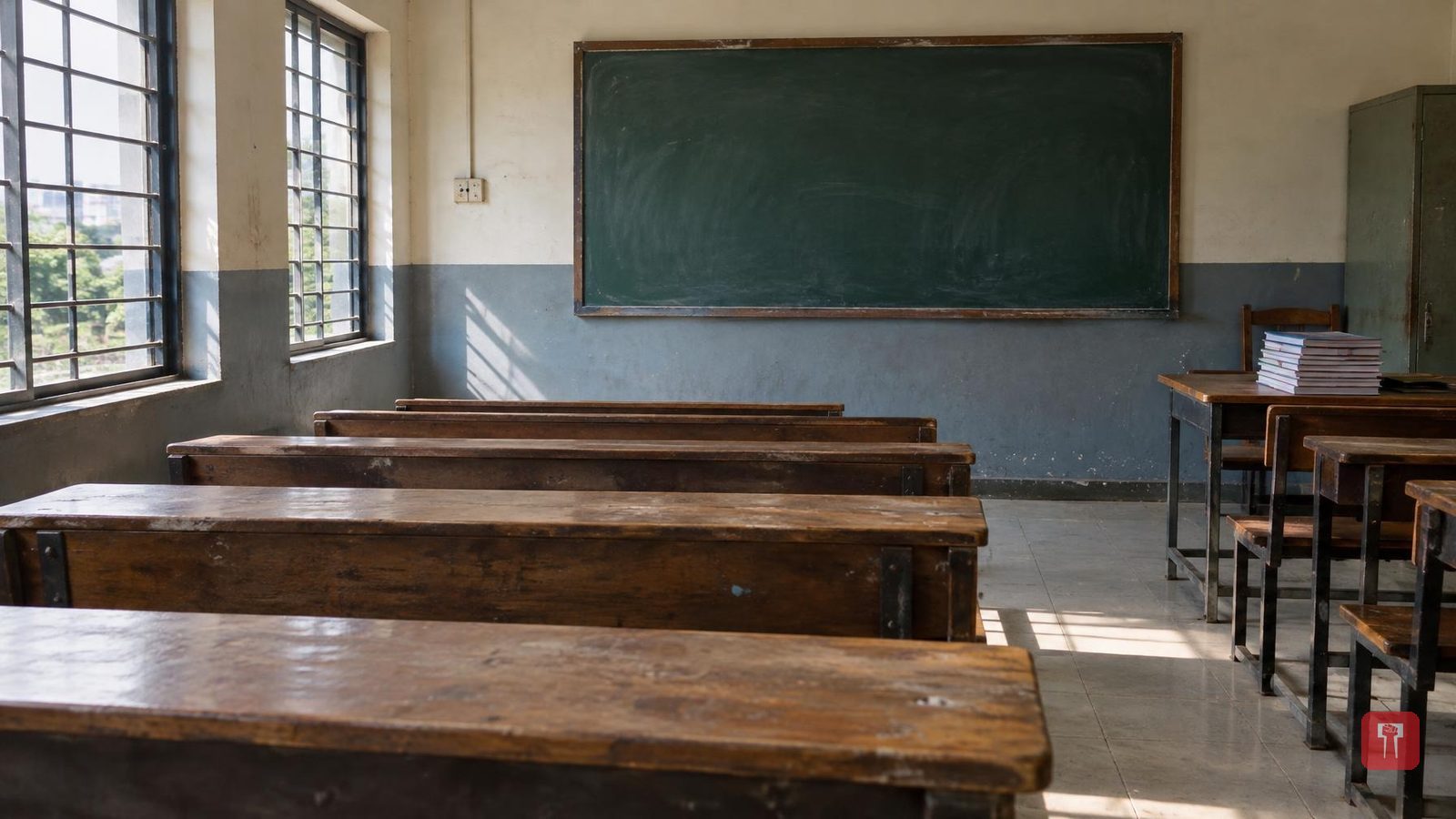
The National Council of Educational Research and Training (NCERT) has released Part 2 of its new social science textbook for Class 9. The book, titled "Understanding Society: India and Beyond- Part 2", was released on September 29, 2026, when session examinations are nearly over in many schools.
Class 9 earlier used books such as "India and the Contemporary World", which taught European topics including the French Revolution, the Russian Revolution, socialism in Europe and Nazism. These have now been replaced by medieval Indian history.
The new book has six chapters covering history, geography, political science and economics. New geography lessons include "Oceans and Life" and "Life on Earth".
The biggest change is that the 700 years of history between 1000 and 1700 will now be taught under the title "Resistance and Resilience". Students will be told how Indian society faced external attacks and preserved its traditions.
The third chapter is a new one titled "Resistance and Resilience (1000-1700 CE)". It says the Indian subcontinent faced repeated attacks from the seventh century, driven by territorial expansion and religious motives. Indian rulers and communities confronted Arab, Turkish, Mughal and European powers.
The book tells stories of resistance by the Rajputs, the Ahom kingdom, the Vijayanagara empire, the Marathas, the Sikhs and the Jats. These include Maharana Pratap's battle against Akbar, the defeat of the Mughal army by Lachit Borphukan in the Battle of Saraighat in 1671, and the Sikhs' opposition to Mughal oppression.
The book does not speak only of kings. It also mentions women rulers and resistance by ordinary people. Naikidevi, queen of the Chalukya kingdom, defeated Muhammad Ghori near Mount Abu in 1178. Rudrama Devi of the Kakatiya kingdom is also named; she fought the Delhi Sultanate from 1262 to 1289. Rani Abbakka Chowta of Ullal defeated the Portuguese navy.
Among popular uprisings, the book records the Jat revolt of 1669, led by Gokul Jat, against heavy taxes and Aurangzeb's religious policy. It also mentions the 1686 revolt of the zamindars of Sinsini and Sogar.
A special box in the book says goddess worship has been a tradition in India since the seventh century, and that kings worshipped goddesses of power such as Kali, Durga and Bhavani. Annamaraja, the ruler of Bastar, received a sword from Manikyadevi (Danteshwari). Kumara Kampana of Vijayanagara used a sword given by the goddess against the Sultanate army in Madurai. Chhatrapati Shivaji Maharaj received a sword from Tulja Bhavani.
The book calls the Bhakti tradition an "affirmation of the spirit of resilience". It says worship continued through devotion even when building temples was banned. Chaitanya Mahaprabhu led public sankirtan in Bengal against the Qazi's ban.
The Sufi tradition is described as a liberal form of Islam that helped its spread. Muslim poets Raskhan and Rahim are included as part of the Bhakti tradition. The book also mentions the demolition and rebuilding of temples. For instance, Todar Mal and Man Singh redeveloped the Kashi Vishwanath temple, Aurangzeb demolished it, and Ahilyabai Holkar had it rebuilt.
According to NCERT chief Dinesh Saklani, the aim of teaching social science at this age is to build in children the ability to analyse, critical thinking, an understanding of different cultures, and the ability to take part in civic life with confidence. The change has set off discussion in political circles, with the Opposition and the government expressing differing views.
The changes are not limited to history. The chapter "Authority" has been dropped and replaced with "Governance and Public Policy". It will teach how government works, how tax is paid and what the role of citizens is.
In economics, students will be taught income tax slabs, investment risk and business planning. Ayushman Bharat will be used as the example for health insurance. The chapter "India and the World" has been moved from Class 9 to Class 10.
