

Nayara Energy raises petrol price by Rs 5 a litre and diesel by Rs 3
Private fuel retailer Nayara Energy has raised petrol by Rs 5 and diesel by Rs 3 a litre, with the new rates in force from Saturday.
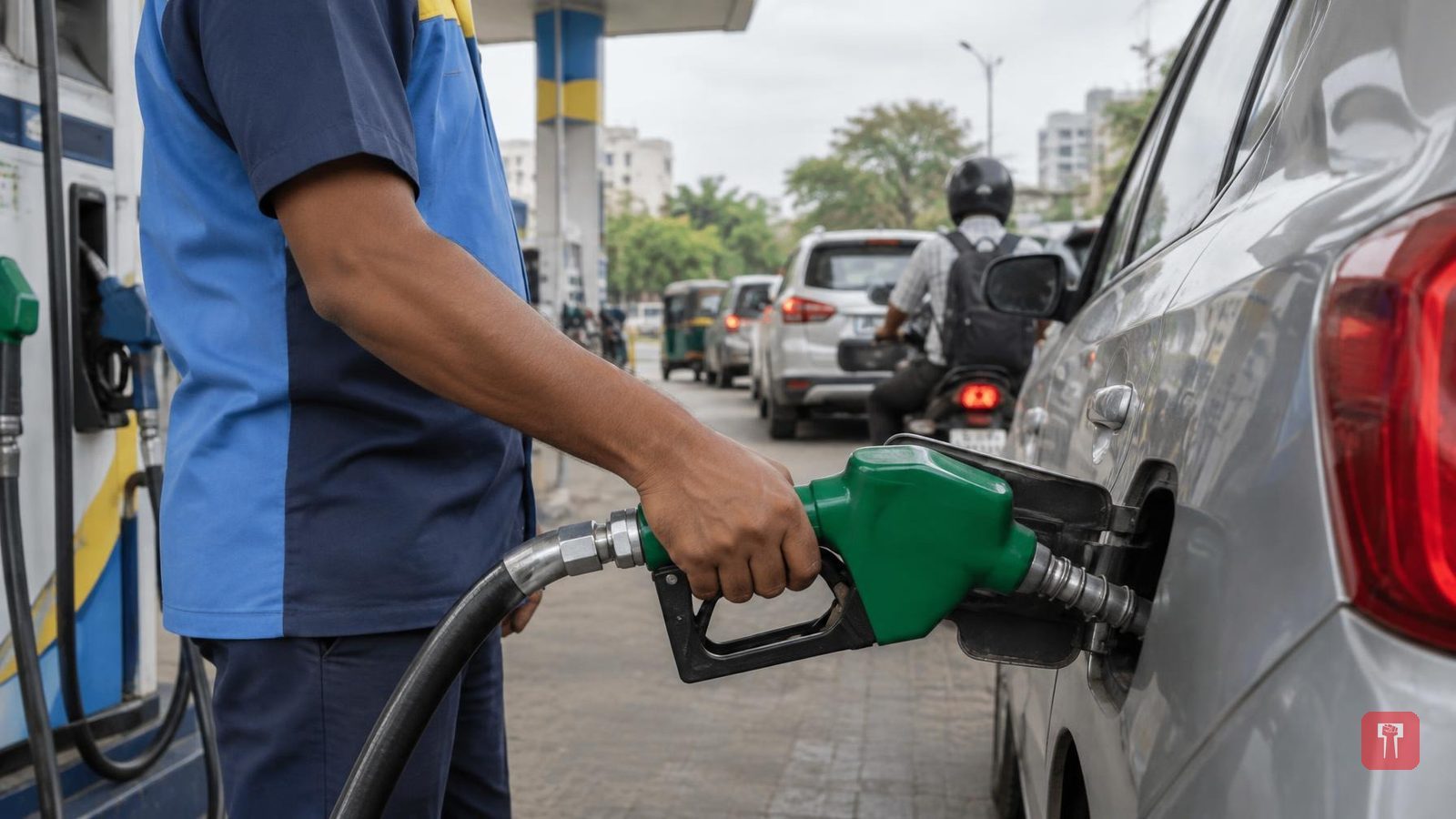
Nayara Energy, a leading private fuel retailer in the country, has once again raised petrol and diesel prices. The company has increased petrol by Rs 5 a litre and diesel by Rs 3 a litre. The new rates came into effect immediately on Saturday.
Following the increase, petrol will cost Rs 100.71 a litre and diesel Rs 91.31 a litre at Nayara pumps.
Tensions across the world are affecting the whole world, and the biggest impact is seen on crude oil supply. This is why petrol and diesel prices in the country keep moving up and down, and petrol and diesel are the first to feel the effect. Prices have risen suddenly this time too.
The decision comes at a time of instability in the global energy market and sharp swings in crude oil prices. The company had to take this step to bridge the gap between rising international prices and the selling price in the country. India imports a large part of its crude oil requirement, so costlier crude in the international market affects the cost of refining and selling fuel.
On the previous increase, Nayara Energy had earlier raised petrol by Rs 5 and diesel by Rs 3 a litre in March 2026. After international crude prices softened, the company made an adjustment of Rs 5 on petrol and Rs 3 on diesel a litre on July 1.
Meanwhile, retail fuel rates of the state-run oil marketing companies have not changed for now. Despite the rise in international crude prices, the policies of state-run and private companies on fuel prices in the country appear to differ.
It should also be noted that, because of local taxes, VAT and other levies, the effect of Nayara's increase may differ from state to state. Even with a base increase of Rs 5 a litre, the final price a customer pays can vary by state.
Will the common man's expenses rise too? The effect of this increase in petrol and diesel will not be limited to those who drive vehicles. Costlier diesel may raise transport and logistics costs, which could affect freight and the prices of some goods.
