

Nagpur medical college completes 500 robotic surgeries, a first for govt hospitals in India
Government Medical College, Nagpur says it is the first government medical college in the country to complete 500 robotic surgeries.
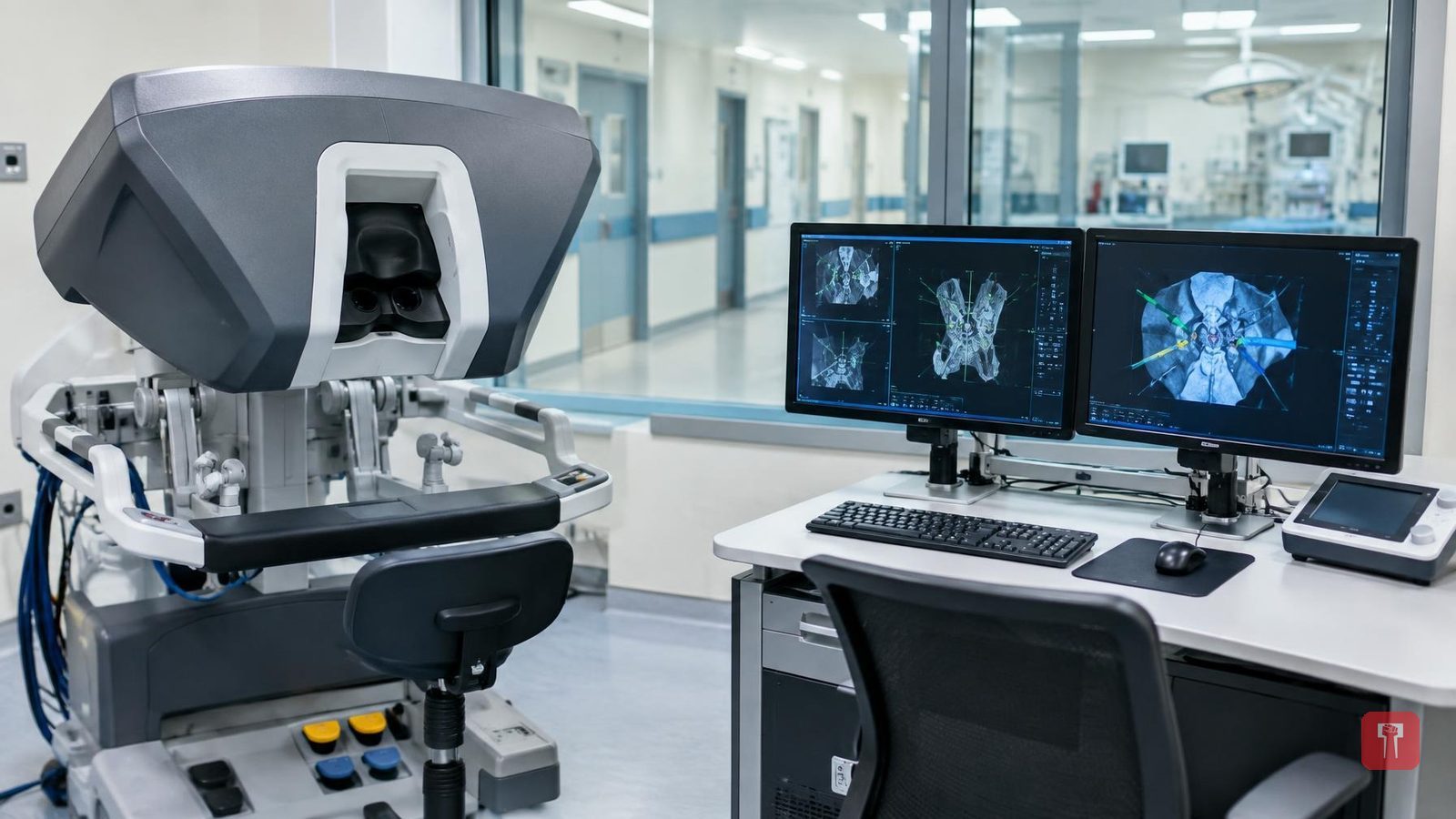
The Government Medical College (GMC), Nagpur, has achieved a major milestone in robotic surgery, having completed a total of 500 robotic surgeries so far. The institution says this makes GMC Nagpur the first government medical college in the country to reach this number.
The journey began in February 2024, and the tally has reached 500 in over two and a half years. The surgeries, carried out under the leadership of Dean Dr Raj Gajbhiye, spanned the general surgery, obstetrics and gynaecology, uro-surgery, cardiovascular and thoracic surgery (CVTS), and paediatric surgery departments.
As part of this, GMC also successfully performed central India's first robotic mitral valve replacement surgery. This complex heart surgery was performed by robotic cardiac surgeon Dr Lalit Malik, who came from Jaipur. According to the institution, this is possibly the first such surgery in the government sector.
All this work was carried out with the help of the indigenous SSI Mantra Surgical Robotic System, which has allowed robotic technology to reach government hospitals. Dr Gajbhiye said 500 surgeries is not just a number, but shows that cutting-edge technology in the government health system is now reaching the common patient.
To mark the 500th surgery, GMC and the Association of Surgeons jointly held a live operative workshop on robotic surgery at Dr Shakuntala Gokhale Hall. In it, robotic gynaecological surgeon Dr Priya Bhave, based in Bhopal, performed telesurgery on a patient at GMC Nagpur while remaining in Bhopal. In addition, robotic uro-oncology surgeon Dr Ritesh Modha of Faridabad demonstrated a robotic nephrectomy.
Following this achievement, GMC Nagpur is now preparing to further strengthen robotic surgery technology. The college intends to give new and young surgeons special training in robotic technology and telesurgery in the coming period, so that more complex operations can be completed accurately in less time.
According to the institution, the use of indigenous technology will also reduce the cost of treatment and further increase patients' trust in government hospitals.
