

Nagpur logs 62 dengue cases in 15 days, 162 since January
Nagpur's dengue count is rising again, with 62 cases in 15 days and 162 recorded since January, according to the Nagpur Municipal Corporation's health department.
 Images are not validated/verified
Concern over health is growing in Nagpur as dengue cases begin to rise again. The city has recorded 62 dengue cases in just 15 days.
According to the health department of the Nagpur Municipal Corporation (NMC), 162 dengue cases have been found in the city since January. However, patients treated at private hospitals, the Indira Gandhi Government Medical College and Hospital (Mayo) and the Government Medical College and Hospital (GMCH) may not be fully covered in the official figures. The actual number is therefore likely to be higher.
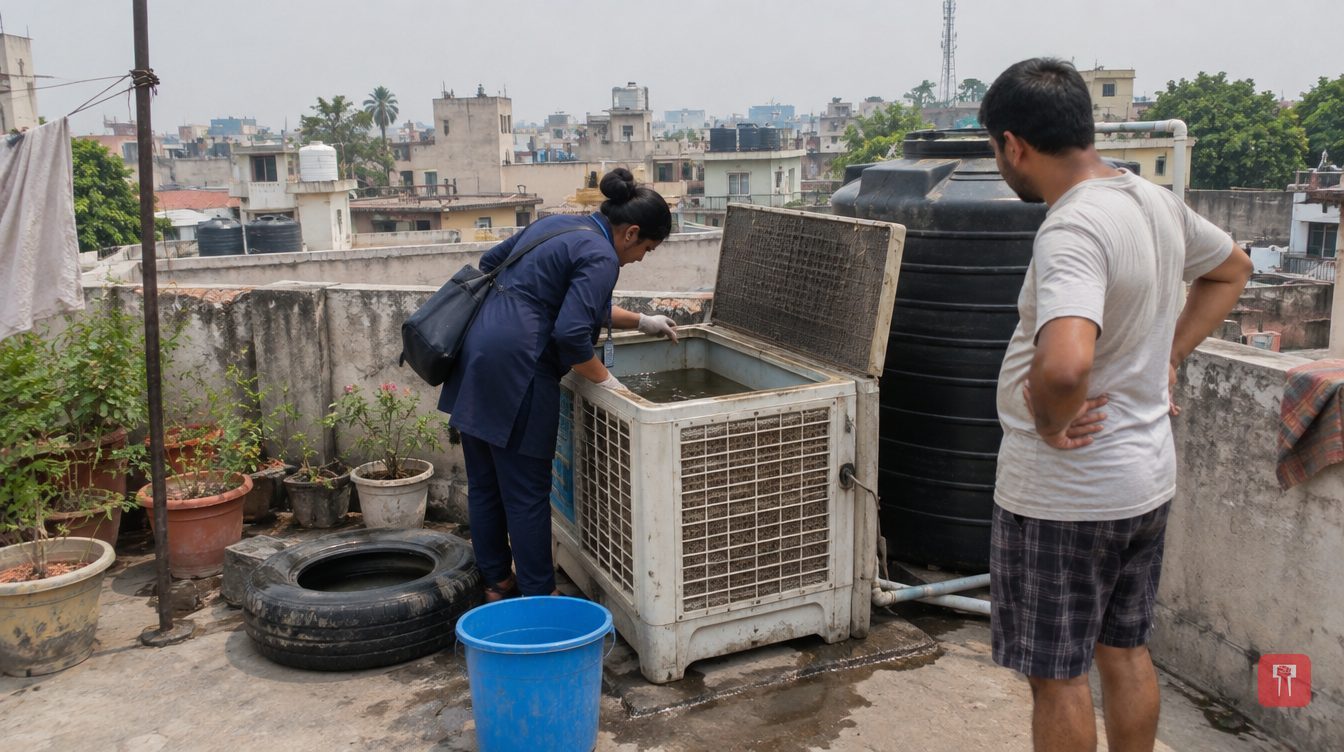
Rising temperatures, increased use of coolers, water stored in homes and water collecting at construction sites are creating conditions favourable for mosquito breeding. As a result, residents face a higher risk of infection. Coolers are in use as the weather changes, and the chances of water collecting in residential and construction areas also increase. Mosquito control, preventive measures and public awareness are back under discussion.
With temperatures rising, coolers have been switched on in many homes. But if a cooler is not cleaned regularly, or water is left standing in it for long, dengue-spreading mosquitoes can breed there. A similar risk exists from water collecting in rooftop tanks, buckets, flower pots, discarded containers, old tyres and other vessels. Since water collecting at construction sites is also a potential mosquito habitat, such sites need regular inspection and timely removal of standing water.
Residents have been urged not to let water collect in and around their homes. Cleaning coolers regularly, keeping water storage containers covered, disposing of garbage properly and keeping the surroundings free of standing water have been listed as important preventive measures. It has also been suggested that people consider wearing full-sleeved clothes, using mosquito repellent if needed, and fitting nets on windows to keep mosquitoes out.
While preventing mosquito breeding is important, doctors have also stressed recognising warning signs and seeking timely medical treatment. Not every dengue-positive patient needs to be hospitalised, but close monitoring is necessary to catch complications early. A particular concern is that some patients can develop serious complications even after the fever subsides. Doctors say patients and their families should therefore not relax, assuming the danger has passed once the fever comes down.
Dr Milind Vyavahare of GMCH underlined the importance of recognising the symptoms of severe dengue. He said, "Not every dengue-positive patient needs to be hospitalised. But severe abdominal pain, repeated vomiting, bleeding from the nose or gums, blood in stool, difficulty breathing, reduced urine output, dizziness or extreme weakness are serious danger signs. Anyone who experiences these symptoms should consult a doctor immediately. Awareness of these symptoms needs to be raised among people."
As cases rise, the need for the municipal administration and residents to work together stands out. Regular inspection of mosquito breeding sites, effective removal of standing water and continuous awareness campaigns are necessary. Residents have been told to take preventive steps now rather than wait for cases to increase further.
