

Mungantiwar asks CM Fadnavis to scrap Kanhalgaon sanctuary proposal in Chandrapur affecting 47 villages
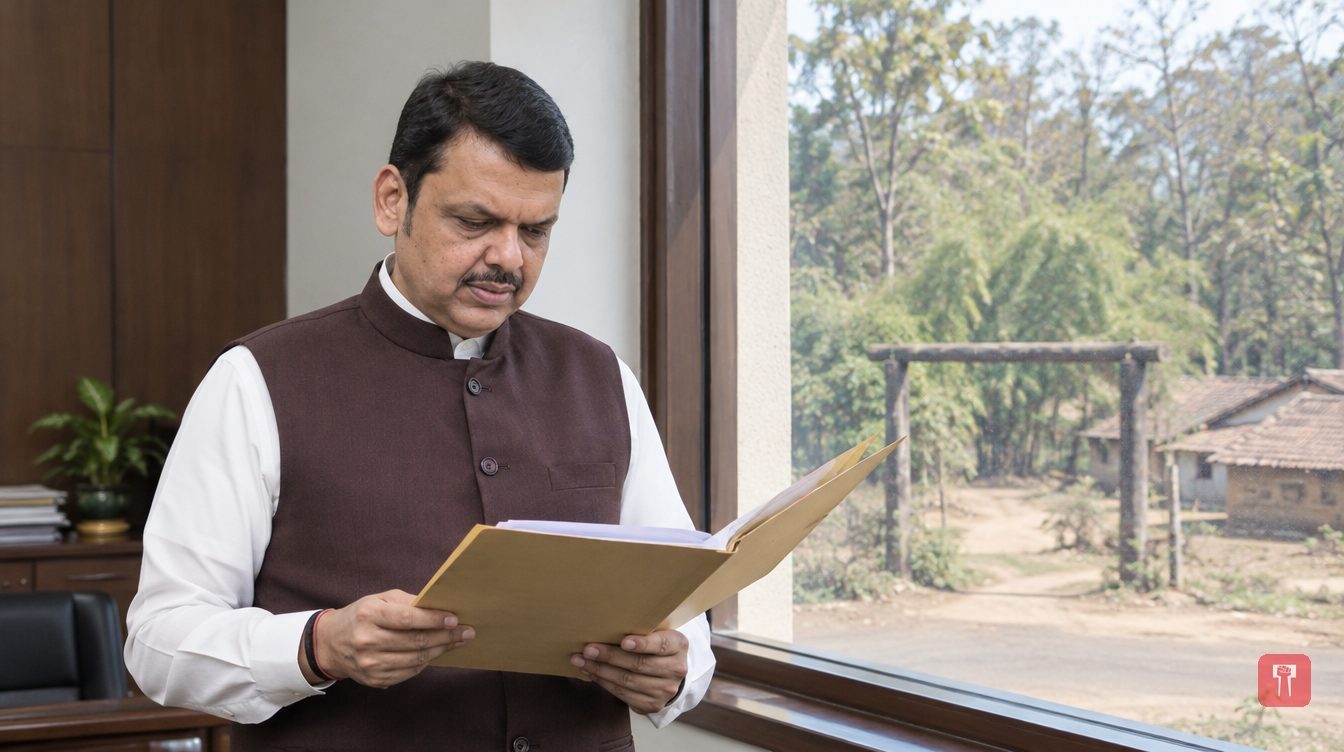 Images are not validated/verified
Former forest minister Sudhir Mungantiwar met the chief minister in Mumbai, citing livelihood, traditional rights and safety concerns of people in 47 villages.
The proposed Kanhalgaon sanctuary in Chandrapur district has raised questions over the livelihoods of people in 47 villages. Against this backdrop, former forest minister and MLA Sudhir Mungantiwar met Chief Minister Devendra Fadnavis at the Varsha official residence in Mumbai and demanded that the proposal be cancelled. According to Mungantiwar, the proposal is feared to affect the traditional rights of tribal communities, local employment and their safety. The chief minister showed a positive attitude towards the demand and directed the secretary of the forest department to take the necessary action.
The proposed sanctuary covers about 25,138.146 hectares. It takes in 47 villages: 39 in Gondpipri taluka, 5 in Pombhurna taluka and 3 in Ballarpur taluka. A large part of the forest area is currently held by the Forest Development Corporation, which provides employment to thousands of local people. Villagers fear that if the sanctuary is created, villages in the core and buffer areas will face many restrictions, forest-linked jobs will shrink and traditional livelihoods will be affected. Mungantiwar particularly drew the chief minister's attention to the possible adverse effect on the traditional way of life of tribal people and their natural bond with the forest.
People in villages resettled in the Tadoba-Andhari Tiger Reserve area still struggle with many problems. Villagers say they should not have to face displacement, restrictions and questions of employment again because of a new sanctuary. Mungantiwar also asked why another sanctuary is needed when major tiger conservation work is already under way in Chandrapur district through the Tadoba-Andhari Tiger Reserve.
Mungantiwar also raised the issue of human deaths in tiger attacks in the district and the safety of people in villages near the forest. He said that along with protecting wildlife, guaranteeing the lives and safety of people living near forests is equally important. Local people fear that the sanctuary will increase conflict between wildlife and human settlements. Mungantiwar said clearly that conservation policy must keep the interests, sentiments and lived reality of local people at its centre.
The Kanhalgaon sanctuary proposal was put on hold when Mungantiwar was forest minister. He has now taken up the matter after opposition from villagers and the sarpanch association. Earlier, he had sought the views of the sarpanch association and held a video meeting with senior forest department officials. At that meeting, the sentiments of people in the 47 villages, forest-linked employment, traditional rights of tribal people, rehabilitation and human-wildlife conflict were raised in detail. He has now taken all these issues directly to the chief minister.
At the meeting with Fadnavis at Varsha, Mungantiwar urged that no decision on the sanctuary be taken without taking villagers into confidence. He also demanded that all aspects of the proposal's administrative process be examined and that objections and suggestions from local people be considered seriously. The chief minister, responding positively to the memorandum, directed the forest department secretary to take the necessary action. The matter has now reached the highest level of government, and further administrative action on the demands of the 47 villages is awaited.
At a meeting with sarpanch association president Devidas Satpute and villagers, the villagers' stand had been made clear. They expressed hope that all sarpanches and villagers are united on the issue, and asked Sudhir Mungantiwar to take the initiative and put their case before the government so that no injustice is done to local people and their rights are protected.
Mungantiwar has assured that while forest conservation is necessary, the lives, rights and future of people who have lived with the forest for generations are equally important. He said the existence of local people should not be the price paid for protecting wildlife. He said he would stand firmly for the sentiments of people in the 47 villages, the traditional rights of tribal people and the future of their coming generations, and would not let the proposal move forward without taking villagers into confidence or against their wishes.
Reach readers on the ward they actually live in.
Advertise with Prime Time 24Reach readers on the ward they actually live in.
Advertise with Prime Time 24Reach readers on the ward they actually live in.
Advertise with Prime Time 24Choose primetime24.com as a preferred source on Google Google shows more stories from your preferred sources in Top Stories.
Reach readers on the ward they actually live in.
Advertise with Prime Time 24
Comments
No comments yet. Be the first.