

Mumbai man's low white cell count after fever leads to diagnosis of rare blood cancer APL
A 40-year-old man's white cell count stayed low after his fever subsided, and tests at a Mumbai hospital found acute promyelocytic leukaemia.
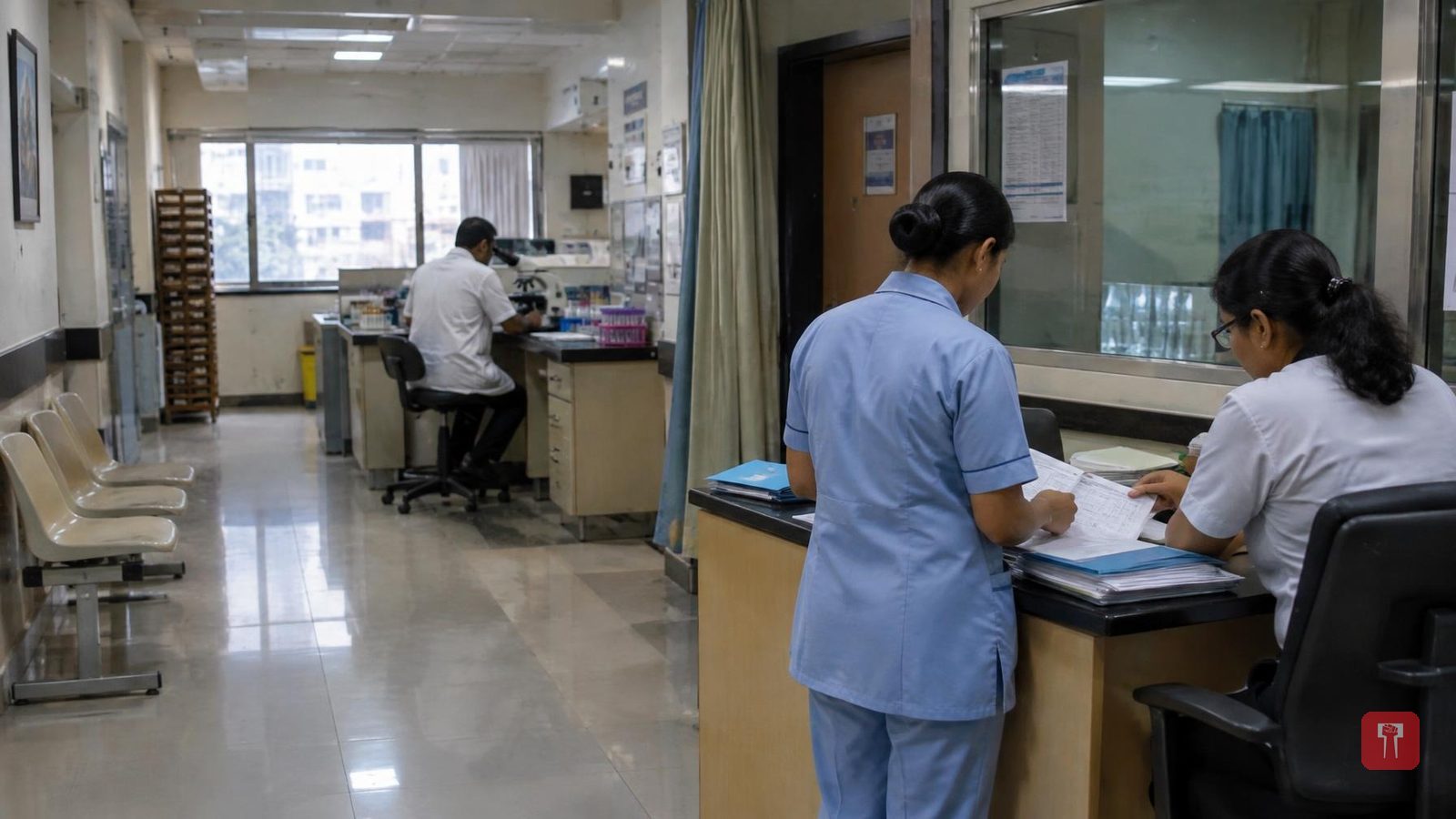
A case in Mumbai has shown how blood test abnormalities can persist after a fever subsides. Further tests found a rare blood cancer, Acute Promyelocytic Leukaemia (APL). A fever is common, and people usually take medicine and recover. But sometimes something remains wrong in the body after the fever goes, and it goes unnoticed.
The patient is a 40-year-old man. He developed a fever and felt very weak. He saw a doctor, took medicine and the fever came down. Everyone assumed he had recovered. But when his blood was tested, one reading kept coming back abnormal.
His white blood cell count was very low. In a normal person it is between 4,000 and 11,000, but his was only 2,000 to 3,000. The cells were not increasing even after the fever had gone.
At first, doctors also thought it was an after-effect of the fever, since white cell counts often fall after a fever. But this man's case was different. His haemoglobin and platelets were normal. Only the white cells were low, and they were not rising.
Dr Pritam Kumar Jain, a cancer specialist at Wockhardt Hospital, Mumbai Central, then concluded that the fever alone did not explain it and that something else was at work. He asked for a bone marrow test. Bone marrow is the part inside the bone where blood is made.
The bone marrow showed a large number of abnormal, immature cells, known as blast cells. Deeper tests showed the man had a blood cancer called Acute Promyelocytic Leukaemia, or APL. It is a rare form of the cancer AML.
Dr Jain said, "At first nothing seemed unusual. The fever had gone and the other reports were normal. But only the white cells stayed low. We found that important. We did not ignore it and got the bone marrow tested, which is why the disease was detected early."
The biggest risk in this cancer is bleeding or blood clots. Delay in treatment would have endangered his life, but the diagnosis came in time. Treatment for this cancer differs from that for other cancers. Drugs are given to make the immature cells mature, so that they die off on their own. The man's treatment was started with the drugs ATRA and arsenic.
He stayed in hospital for about a month. He responded well to the drugs. The abnormal cells were completely cleared and the disease came under control. He did not need a blood transfusion at any point during the treatment.
Dr Jain said, "APL is a cancer in which early diagnosis is very important. We caught the disease before anything serious happened. The treatment worked well. He has now gone home and is doing his daily work. He only comes in for follow-up."
