

MHA marks 28 Ladakh places on official map, including Gogra and Hot Springs on the LAC
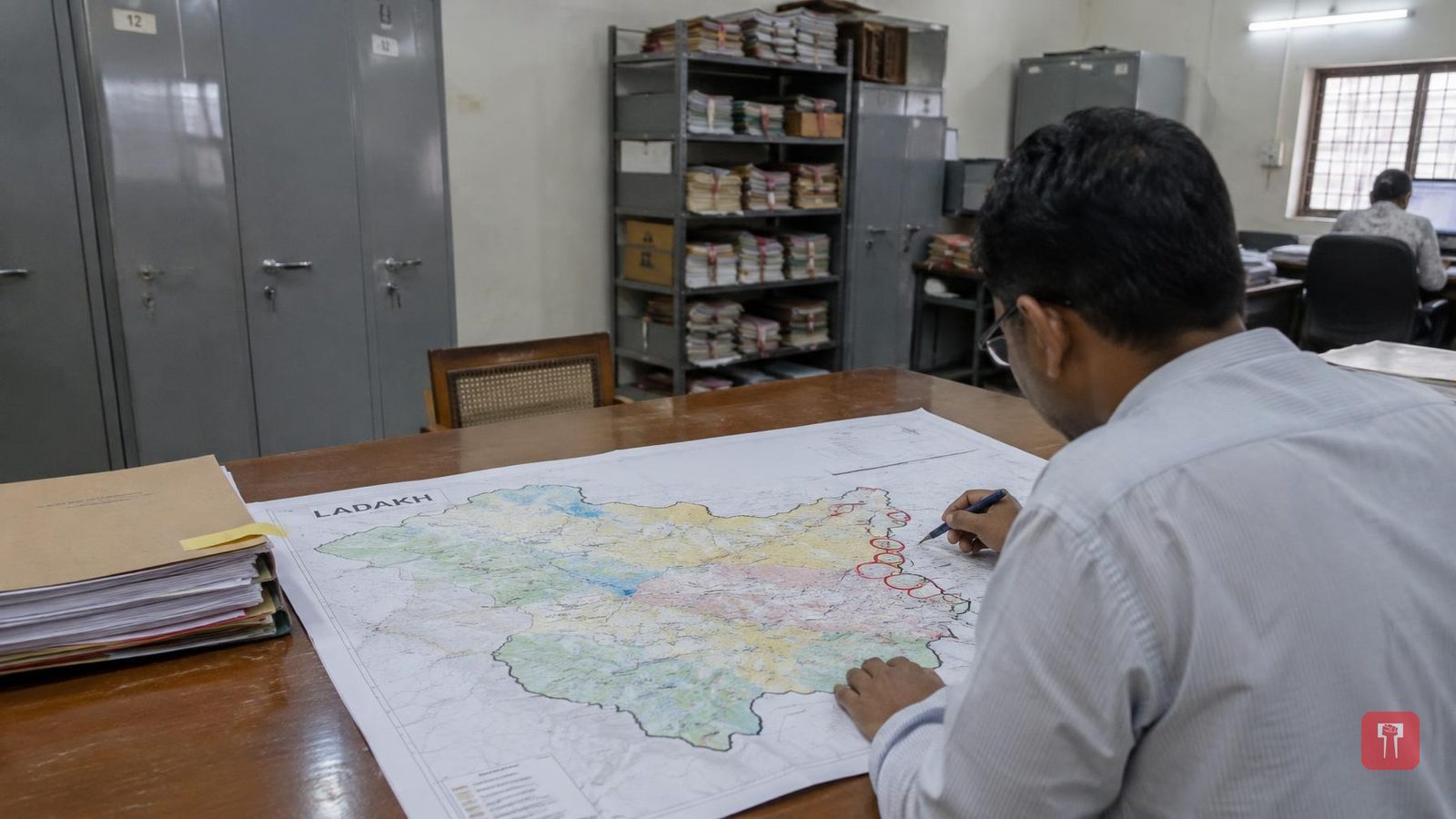
The Union Home Ministry on Friday formally showed 28 strategic places and geographical features of Ladakh on India's official map. They include important border areas on the Line of Actual Control (LAC) such as Gogra and Hot Springs, which are considered disputed. The same was done earlier for places in Arunachal Pradesh.
The Home Ministry said the step was taken after consultation with the Ladakh Union Territory administration. According to the ministry, the aim is to streamline the official map, make it easier to identify places correctly and raise awareness about this sensitive border region.
A similar decision was taken in August, when the Home Ministry announced 27 places and features in Arunachal Pradesh and issued a map of those places. China had objected to that decision.
Gogra and Hot Springs are counted among the key strategic locations. Clashes took place here during the 2020 confrontation between the Indian and Chinese armies. The locations are very important for Indian patrolling. After a violent clash in the Pangong lake area on May 5, 2020, tension built up between the Indian and Chinese armies on the eastern Ladakh border. Both sides began disengagement in 2022.
The list of places added to the map is long. It includes Alisha Giri (the highest peak), Brangsa, Chapchigal Pass, Kanishka Peak, Karun Pir Mountain, Kuksel, Martand Giri, Parpik Glacier, Skamri Glacier, Shachmirik Pass, Shkorga Valley, Zorawar Peak, Dehra Campus and Dwak Karya. Jholmori, Kumaryan Point, Pangalung, Rinchen Zhangpo, Shakyashri Giri, Guru Rinpoche, Shamal Lungpa, Yangpa river, Marf Lotsawa Ri, Milarepa Kangri, Shiva Ri and Maheshwar Ri have also been marked on the official map. Shamal Lungpa is described as a route used for patrolling and troop deployment in the 1950s.
The development comes at a time when China is stepping up its "map aggression" by giving Mandarin names to places in Arunachal Pradesh and Ladakh, in order to strengthen its claim over these areas. China claims that Ladakh and Arunachal Pradesh are part of Tibet and asserts its right over these Indian territories. According to analysts, the main aim behind China's renaming of places is to rewrite history and strengthen its claim over areas it regards as disputed, even if they are not actually disputed.
