

Malnutrition figures improve in Melghat, but challenge remains
Chikhaldara taluka has cut severe malnutrition cases, but remote villages still struggle with monitoring and facilities
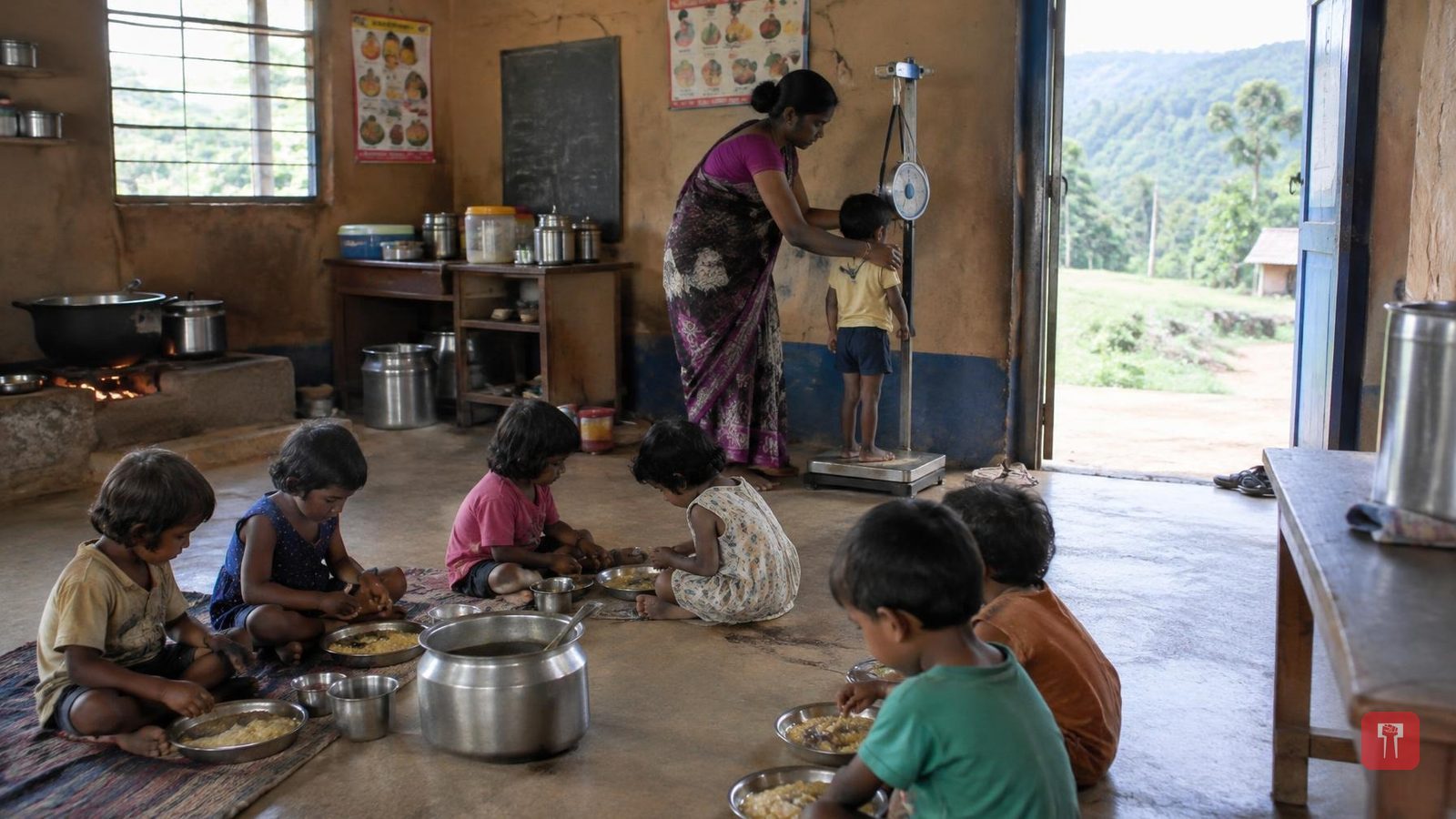
Melghat, long in national news over malnutrition, has seen the situation improve, though the problem has not been fully resolved. In Chikhaldara taluka, 14,607 children aged between 7 months and 6 years are being given daily nutritional meals through 229 anganwadi centres.
Of these, 50 children are in the severely malnourished category, while 800 fall in the moderately malnourished category. There is a need for special watch on malnutrition cases during the monsoon season.
These 229 anganwadi centres are run under the Integrated Child Development Services scheme across 143 villages of Chikhaldara taluka. Children at these centres are given different kinds of nutritional food daily, including lapshi and khichdi. Their nutritional status is determined by their weight and height, and on that basis they are classified as severely malnourished, moderately malnourished or normal. Malnourished children are given additional nutritional food along with necessary care so that they can be brought into the normal category.
Monitoring in remote villages remains the biggest challenge. Only nine women supervisors oversee the 229 anganwadi centres in Chikhaldara taluka, meaning each is responsible for around 25 centres. The taluka's large geographical spread, forests, poor roads and lack of vehicle facilities make it difficult to reach all centres regularly, inspect them and assess the nutrition arrangements.
The buildings and facilities at several anganwadi centres in remote villages are also a matter of concern. Children have to be seated in small rooms where cooking and other activities also have to be carried out. At some places, the lack of paved roads and proper vehicle facilities to reach the centres also creates difficulties for anganwadi workers.
Regular monitoring of anganwadi services remains a particular challenge in remote areas such as Churni, Motha, Golkheda, Khatkali, Semadoh, Salona, Temburusonda, Jarida and Hatru. It is being suggested that rather than judging progress against malnutrition on figures alone, nutrition, health checks, hygiene, anganwadi buildings and vehicle facilities need to be strengthened further at the ground level.
