

Malaysia begins sending back about 1,500 Myanmar nationals despite UN concerns
Malaysia has begun repatriating Myanmar nationals from 29 September, with 1,476 in the first phase, though the UN refugee agency and rights groups have raised concerns.
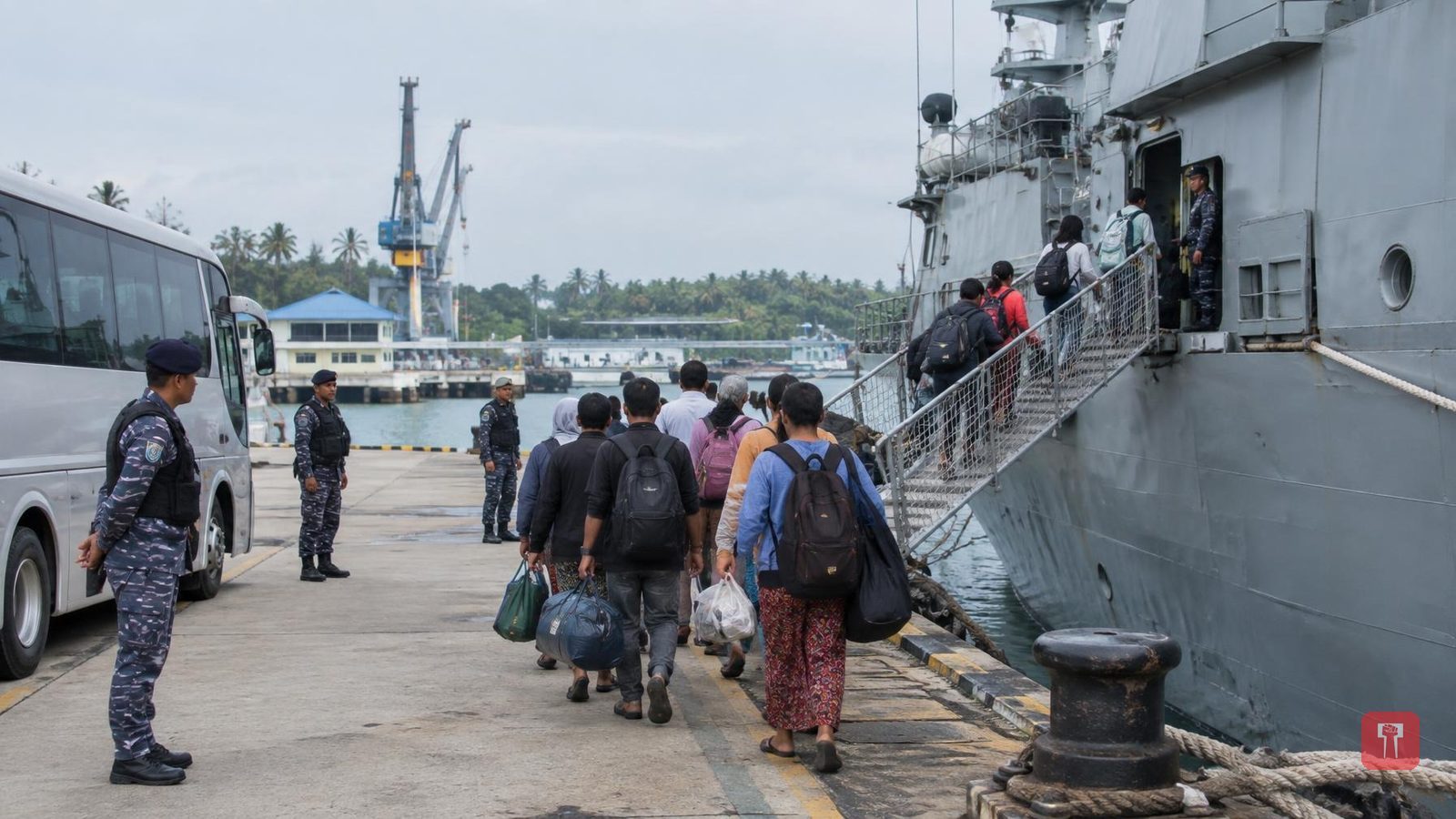
Malaysia has begun sending about 1,500 Myanmar nationals back to their country even though conflict continues there and the situation remains unstable. The process began on 29 September, and its first phase covers 1,476 people.
Malaysia says the returns are voluntary. However, human rights organisations, along with the UN refugee agency, have expressed concern. They say Myanmar does not have the conditions needed for safe and sustainable resettlement. Neither Malaysia nor Myanmar has officially said how many Rohingya are in the group. The issue of the Rohingya community's safety has therefore come up for discussion again.
Malaysia has launched the first phase of its voluntary repatriation programme for Myanmar nationals. The 1,476 people in this phase include 1,370 men, 79 women, 20 boys and 7 girls. All of them were taken under security arrangements to the Lumut naval base. They were then sent home on Myanmar Navy vessels. The overall plan is to send back about 5,000 Myanmar nationals in phases, which makes the current phase only the first part of the larger scheme.
Conflict is continuing in many parts of Myanmar following the political instability that began in 2021. The United Nations has questioned whether it is safe to send refugees back in such a situation. According to the UNHCR, current conditions are not conducive to the safe and sustainable resettlement of refugees from Myanmar. Human rights organisations have also voiced concern that those returning may face violence, persecution or other serious dangers.
Rohingya make up a large share of the refugees from Myanmar who have come to Malaysia. Even so, it has not yet been made clear how many Rohingya are among the 1,476 sent back on 29 September. The Malaysian government calls the return a voluntary process, while human rights groups have questioned that claim itself. In Myanmar, the Rohingya have long faced serious problems relating to citizenship and basic rights. The international community is therefore watching this repatriation closely.
