

Limpet mine attack on tanker in Strait of Hormuz; all 27 Indian seafarers safe
 Images are not validated/verified
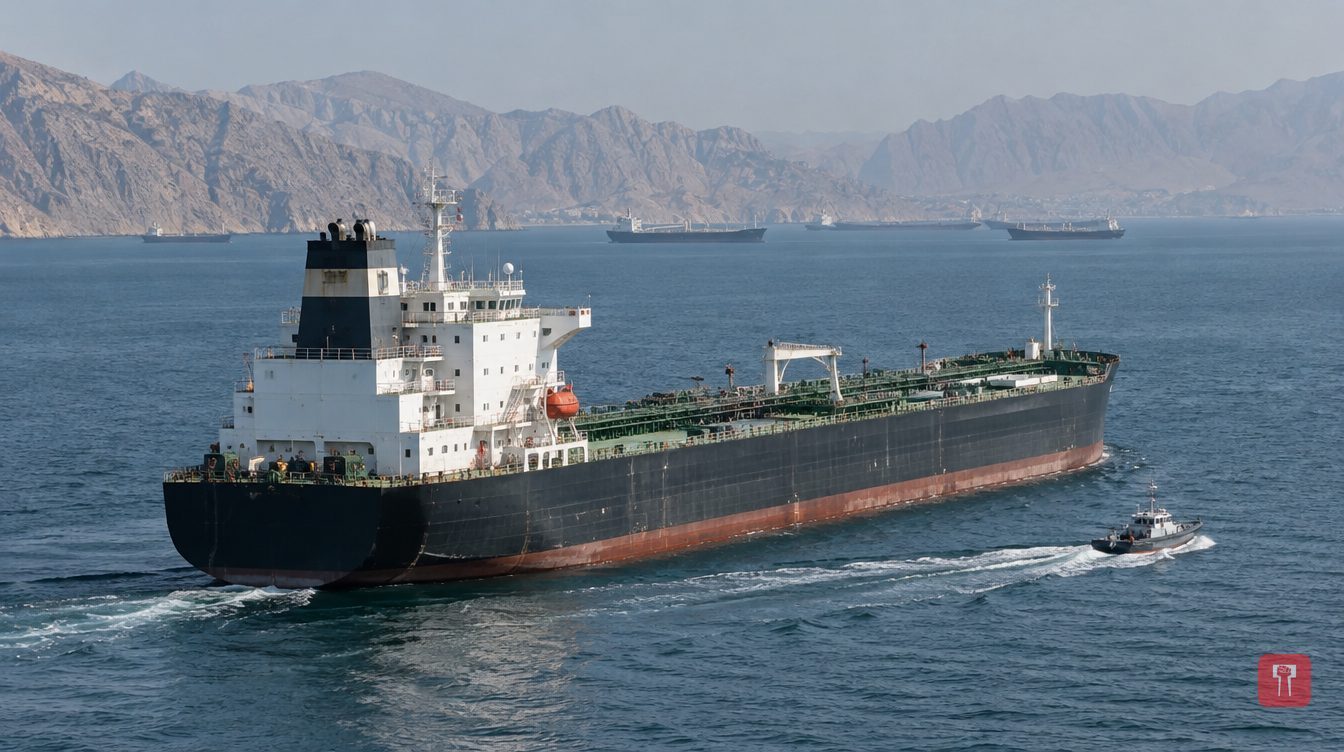
Magnetic explosives hit the Panama-flagged MT Louise 1 off Oman on October 30, setting its engine room on fire; the crew put out the blaze and no one died.
Questions have been raised once again over the safety of cargo ships in the Strait of Hormuz, a waterway considered vital to global maritime trade. On October 30, the Panama-flagged oil tanker MT Louise 1 was attacked without warning. There were 27 Indian seafarers on board.
The attack was carried out not with a conventional missile but with "magnetic bombs", or limpet mines. This has caused alarm among maritime security experts.
According to maritime security agencies, the incident took place about 25 nautical miles (roughly 46 km) from the Omani city of Khasab. A small suspicious boat followed the tanker. The attackers on the boat stuck two magnetic explosives on the outside of the vessel's lower hull and fled. Soon afterwards there was a loud blast and a fire broke out in the ship's engine room.
The Indian seafarers and the rest of the crew showed courage and speed in bringing the fire under control. No one was killed and no oil leaked into the sea. After the fire was put out, the ship resumed its voyage. The United Kingdom Maritime Trade Operations (UKMTO), the British maritime security agency, also said the crew was safe, the fire had been extinguished and no impact on the environment had been recorded.
Union Minister of Ports, Shipping and Waterways Sarbananda Sonowal confirmed that all the Indian seafarers were safe. He said the Government of India was keeping a constant watch on the matter and was in coordination with the ship management companies concerned to ensure the crew's safety.
A day earlier, on October 29, the Liberia-flagged large oil tanker MT Arzanah was also hit by a projectile. There were two Indian nationals on that ship. Taken together, 29 Indians were in danger in the area in the two incidents. The minister said all 29 were safe and no one was injured.
It is being said that this is the first well-known successful use of limpet mines on a ship in the Strait of Hormuz since the confrontation between the United States and Iran began in February 2026. An earlier attempt in September reportedly failed because the explosives did not detonate.
Limpet mines are small but powerful explosives. They carry strong magnets, which let them stick easily to the surface of an iron or steel ship. They are placed on the underwater part of a vessel or near the engine room, so that the blast causes major damage, lets in water or starts a fire.
According to Marisks, an organisation that studies maritime security, the use of such explosives on West Asian sea routes has grown since 2017. They cost very little to make and are easy to place. They are planted covertly on large merchant ships from small boats. The organisation says the method is used to halt a ship's passage and spread panic, rather than to blow it up directly with a missile.
The Strait of Hormuz is the world's most important route for the transport of crude oil, and a large share of the total oil trade passes through this narrow channel. Attacks on merchant ships in the area have increased amid rising tension between the United States and Iran since February. UKMTO has warned all merchant vessels in the area to exercise extra caution.
No country or terrorist organisation has so far claimed responsibility for the attack on MT Louise 1. Who the attackers were has also not been independently established. There are fears that such covert attacks could have a major impact on international maritime trade and crude oil supplies. The Indian Navy and the Ministry of External Affairs are closely monitoring the developments.
Reach readers on the ward they actually live in.
Advertise with Prime Time 24Reach readers on the ward they actually live in.
Advertise with Prime Time 24Reach readers on the ward they actually live in.
Advertise with Prime Time 24
Comments
No comments yet. Be the first.