

War and Hormuz crisis push crude near $120 a barrel as protests spread across several countries
 Images are not validated/verified
Costlier energy from conflicts and the Strait of Hormuz crisis is feeding inflation and street protests from France to Serbia, India and Israel, the article argues.
Rising protests, high inflation and economic pressure around the world trace back to one story, the article argues. Ongoing wars are pushing up everyday costs, and when governments respond harshly, the strain of running a household turns into anger on the streets.
Starting a war has always been easy, but history shows that ending one is almost impossible. Military officers and leaders expect a quick win at the outset, but wars rarely go to plan. When Russian forces entered Ukraine on February 24, 2022, military experts thought power would change hands within a week or ten days. Years later, the fighting drags on. More than 500,000 soldiers on both sides are reported killed, about 1.8 million are dead, wounded or missing, and more than 17,000 civilians have been killed.
The same misjudgment was repeated in the conflict that began on February 28, 2026, with joint air strikes involving the United States, Israel and Iran. The expectation was a quick operation, the destruction of key targets and immediate capitulation by the other side. But the first strikes opened a box of endless trouble. Over the months, retaliatory missile attacks, a naval blockade in the Strait of Hormuz and fighting in the region have killed more than 9,000 soldiers and civilians.
The article also remarks, in a lighthearted aside that it asks readers not to take seriously, that February may be a bad month for military ambitions. The situation in Palestine and Gaza is described as the most painful, with more than 75,000 Palestinians killed, most of them women and children, more than 174,000 injured and more than 2,000 Israeli casualties.
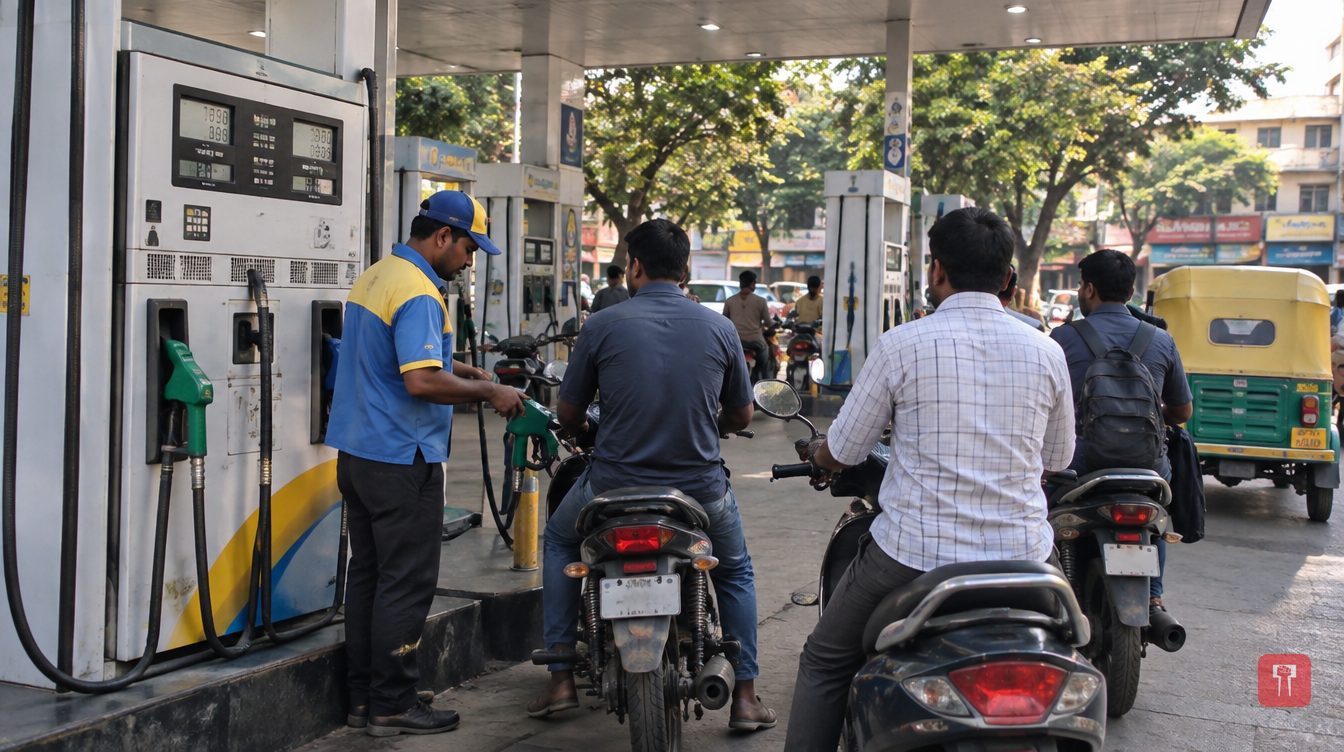
The cause of today's inflation is simple: the world runs on energy, and energy has become very expensive. About a fifth of the world's oil passes through the narrow Strait of Hormuz. Tankers face the threat of war and there are also disruptions in the Black Sea, so crude has risen from $110 to nearly $120 a barrel. Crude oil runs cargo ships, factories and power plants, and goes into making crop fertiliser. According to the article, no country can escape the increase. Transport, farm inputs, electricity bills and food all become costlier.
In France, after fuel and energy prices rose, the government made deep cuts in public spending, which hit schools and hospitals hardest. School and college students joined working-class families in blocking roads in big cities. The issues were rising college fees, expensive housing and small school budgets. Police used tear gas and heavy riot gear to clear the students' blockades, and economic discontent grew into a wider protest against those in power and against institutions.
In India, inflation driven by the war has raised daily household costs and heightened worries about jobs and governance. Civic protests have been held across the country after controversies over the transparency of institutions, paper leaks and the Election Commission of India. Opposition parties, student organisations and civil rights groups held demonstrations, including rallies against the CEC. They demanded a fair voter list and independent institutions. When the administration banned protests and detained people, many felt their democratic right to ask questions was being suppressed.
In Israel, months of war have brought economic strain as well as deep grief. Rallies are held every week in Tel Aviv and Jerusalem, led by families of hostages, college students and trade unions. They are demanding an immediate ceasefire and a deal for the release of hostages, and opposing government plans to curb the powers of local courts. Dismissive remarks by leaders about these crowds have deepened the anger.
In Albania, high fuel and food prices hit young people already struggling with a lack of jobs and high university fees. In protests called the Flamingo Revolution, thousands of students took to the streets against corruption, costly education and the loss of public land. When police used force to clear campuses, student groups widened their demands.
In Serbia, after the fatal accident at the Novi Sad railway station, which the article blames on government corruption and weak oversight, public anger grew into a large youth movement. Students at five state universities set up democratic assemblies called plenums. Instead of contesting elections themselves, the student organisers drew up a rulebook and prepared a student list of 250 candidates. Under strict criteria vetted in open assemblies, active students, sitting party office-bearers and people with criminal records could not stand. The assemblies chose non-party academics, doctors, judges, farmers and social workers, and the student assemblies held a veto over every candidate. In the October 2026 parliamentary mid-term election, the panel won a historic victory, the ruling party lost and the country's leadership changed.
On Burkina Faso, the article says strong and decisive leadership under military leader Captain Ibrahim Traore is taking the country towards self-reliance. At 38, he is described as the world's youngest head of state. According to the article, following the practical ideas of former leader Thomas Sankara, his government placed key resources such as gold mines under direct state control and used the money to build roads, local factories and farm security. The article says that by growing more grain locally, setting up domestic industry and reducing dependence on foreign debt, he shielded his people from shocks in the global market.
The article concludes that war creates inflation, inflation breaks household budgets, and police harshness turns economic hardship into public protest. Police force neither fixes supply chains nor brings market prices down. In the article's view, real stability will come when leaders stop fighting, open sea routes such as Hormuz to bring crude prices down, and sit down for an honest conversation on the daily economic difficulties of working families.

Comments
No comments yet. Be the first.