

Israel bars two Arab parties from election, Supreme Court to have final say
Israel's Central Elections Committee has barred Ra'am and the Joint List from the October 27 vote, a decision that now goes to the Supreme Court.
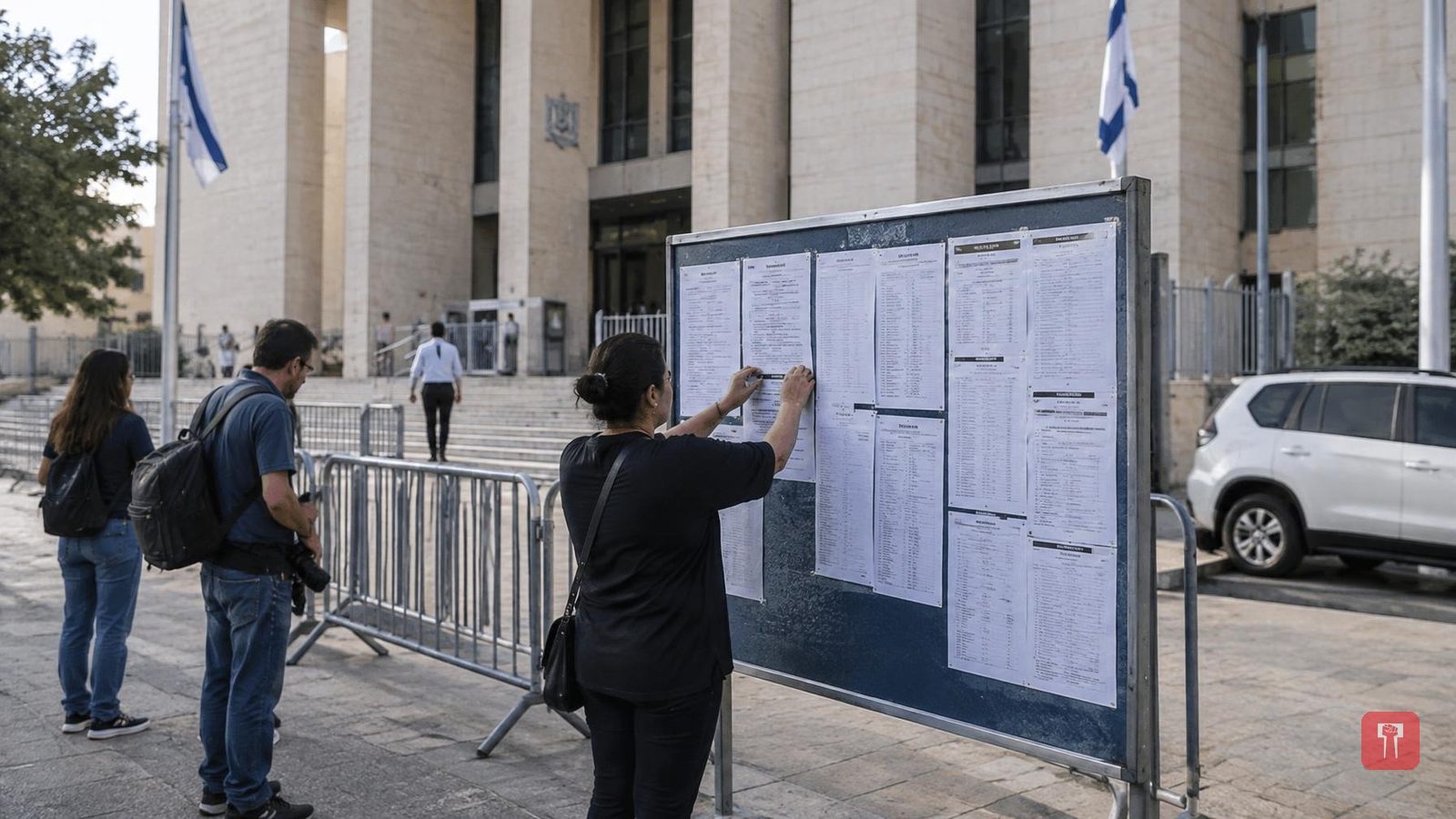
Israeli politics has been hit by a fresh storm. Ahead of the general election due on October 27, the Central Elections Committee has taken the highly controversial decision to bar two major Arab parties and their alliance leaders from contesting. The move has raised questions over the political participation of Israel's Muslim and Arab communities, and is being described in political circles as a major gambit by Prime Minister Benjamin Netanyahu to win the election.
The Central Elections Committee took the decision on September 23. It voted to disqualify Ra'am, led by Mansour Abbas, and the Joint List, the alliance of Hadash, Ta'al and Balad, from the race. It also banned the individual candidacies of Hadash MP Ofer Cassif and Balad leader Sami Abou Shehadeh. Under Israeli election law, the decision is not yet final, since such bans require final approval from the Supreme Court.
The action was taken under Section 7A of the Basic Law: The Knesset. Under this law, a party or candidate can be barred from the election if it denies Israel's character as a Jewish and democratic state, incites racism or hatred in society, or supports armed struggle by an enemy state or terrorist organisation against Israel.
The petition against Ra'am was filed jointly by Netanyahu's Likud party, the right-wing Otzma Yehudit party and a civil society organisation. The committee disqualified Ra'am by a vote of 18 to 5. The petition against the Joint List was also brought by Likud. The ban on Balad leader Sami Abou Shehadeh was passed by a vote of 31 to 4, based on an article he wrote on October 8, 2023, criticising Israeli policy. Abou Shehadeh has completely rejected all allegations that he supported violence or terrorism.
The decision could significantly affect Israeli politics and the role of Arab voters in particular. In the 2021 election, Mansour Abbas's Ra'am made history by supporting the coalition government of Naftali Bennett and Yair Lapid, a move that ended Netanyahu's 12 years in power. Netanyahu's Likud is now determined that Arab parties should not again get the chance to play kingmaker.
A recent Channel 12 survey estimated the Joint List would win 7 seats and Ra'am 5 seats, while Netanyahu's current coalition was projected to win 50 seats. If the Arab parties are excluded from the election altogether, there is considerable uncertainty over who would benefit from their combined 12 seats. Opposition parties are already divided over Arab support, so analysts believe Netanyahu is most likely to benefit from the ban.
Israel's Central Elections Committee is made up mainly of representatives of political parties, and its decisions have repeatedly been accused of being politically motivated. The matter has now reached Israel's Supreme Court, which will hear it next week and will closely examine the legal basis of the allegations against the parties and candidates. The Supreme Court has struck down similar bans on Arab parties and their leaders by the Election Committee several times in the past and granted them relief. Whether these Arab parties and their leaders will appear on the ballot for the October 27 vote is therefore now for the Supreme Court to decide.
