

Iran tells Pakistan's Munir not a gram of enriched uranium will leave the country
Iran's security chief Mohsen Rezaei told Pakistan's army chief Asim Munir in Tehran that Iran will not send out any enriched uranium, dealing a blow to Pakistan's mediation bid.
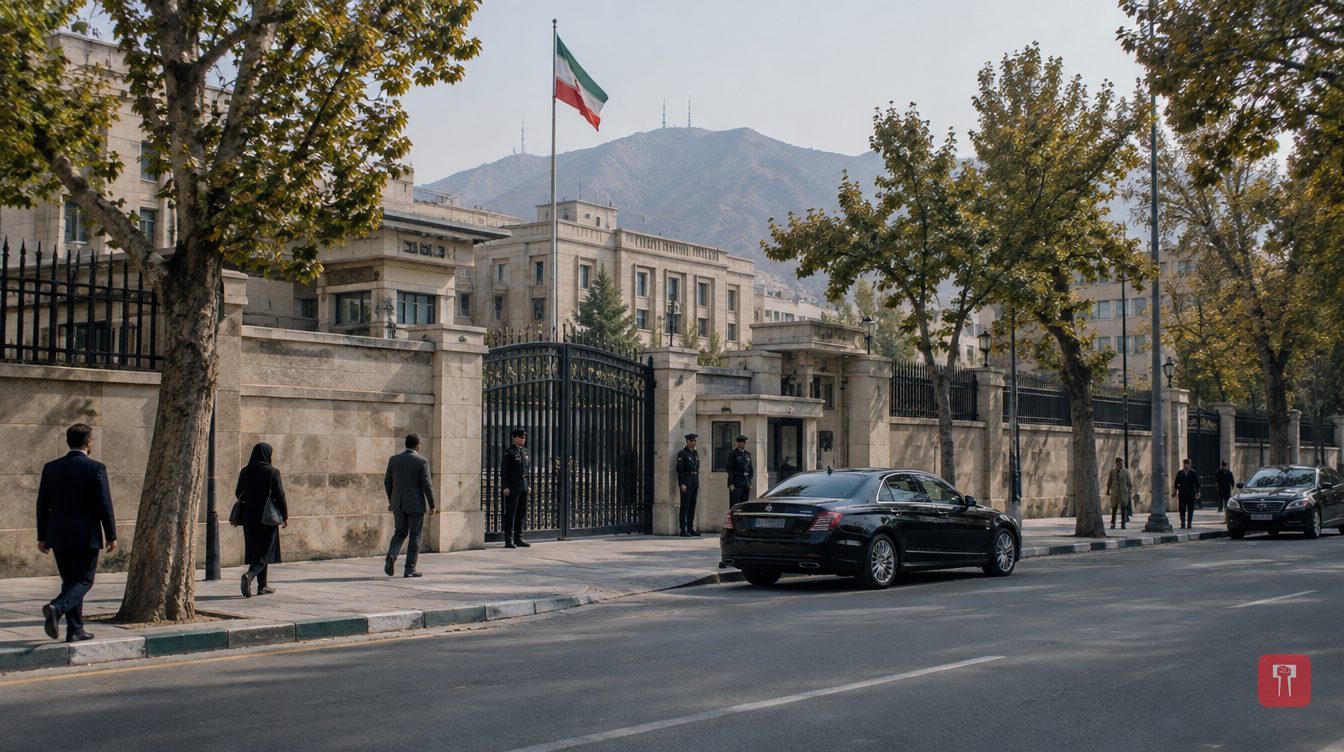 Images are not validated/verified
Pakistan's army chief, Field Marshal Asim Munir, who arrived in Tehran to mediate in the long-running dispute between the United States and Iran, has received a direct and firm reply from Iran. Iran's security chief, Mohsen Rezaei, said at a high-level meeting with Munir that Iran will not send even a gram of its enriched uranium out of the country.
Rezaei confirmed the decision officially through X (formerly Twitter) and state media. At the meeting, he told the Pakistani army chief that Iran's nuclear programme and enriched uranium are not merely a scientific project. They are the right of the Iranian people and the country's biggest "national asset". The asset would therefore be used within the country, and there was no question of handing it to a third country.
The stand comes at a time when the US and Western countries are pressing Iran to curb its nuclear programme. Pakistan had been trying to ease tensions between the two sides and start peace talks. Iran's hard line has dealt a big blow to Pakistan's efforts and made dialogue between the US and Iran harder still.
The US had claimed that, for a peace agreement, Iran must send all its enriched uranium abroad or reduce its capacity. Iran has flatly rejected the demand. Rezaei said Iran would never bow to such threats or pressure from the US.
Iran expressed complete distrust of the US at the meeting. Rezaei said neither the people nor the government of Iran has any trust left in the US today. According to him, history is witness that every time Iran took the path of talks, the US broke trust and tried to bring new sanctions or military pressure.
Sina Toossi (@SinaToossi), who comments on Iran affairs on social media, wrote on October 20, 2026 that Rezaei took a tough line before Pakistan's Asim Munir and said not a particle of enriched nuclear material would leave Iran. He also wrote that Rezaei refused to hold talks until the US wins trust by meeting the seven conditions Tehran had set out earlier.
Iran has set very stiff conditions for resuming talks with the US. These include the immediate lifting of the US blockade of Iranian ports, withdrawal of all economic sanctions on Iran's oil exports, and an end to military aggression in the Strait of Hormuz. Iran has made it clear that no peace talks can move forward until the US meets all these conditions.
Munir is believed to have visited Iran as a representative or intermediary of the US. He also met and held talks with Iranian President Masoud Pezeshkian and Parliament Speaker Mohammad Bagher Ghalibaf. Pakistan had hoped that the mediation would let it prove its clout in regional politics.
But Iran's direct and tough stand has exposed the limits of Pakistan's diplomacy. According to world affairs analysts, the differences between the US and Iran are so deep that it will be extremely difficult for a country in economic distress like Pakistan to mediate. All eyes are now on how the US responds to Iran's blunt reply.

Comments
No comments yet. Be the first.