

International Day of the Girl Child: girls still fight for education, health and equality
On October 11, the day highlights how girls across the world and in India still struggle for schooling, health and equal opportunity.
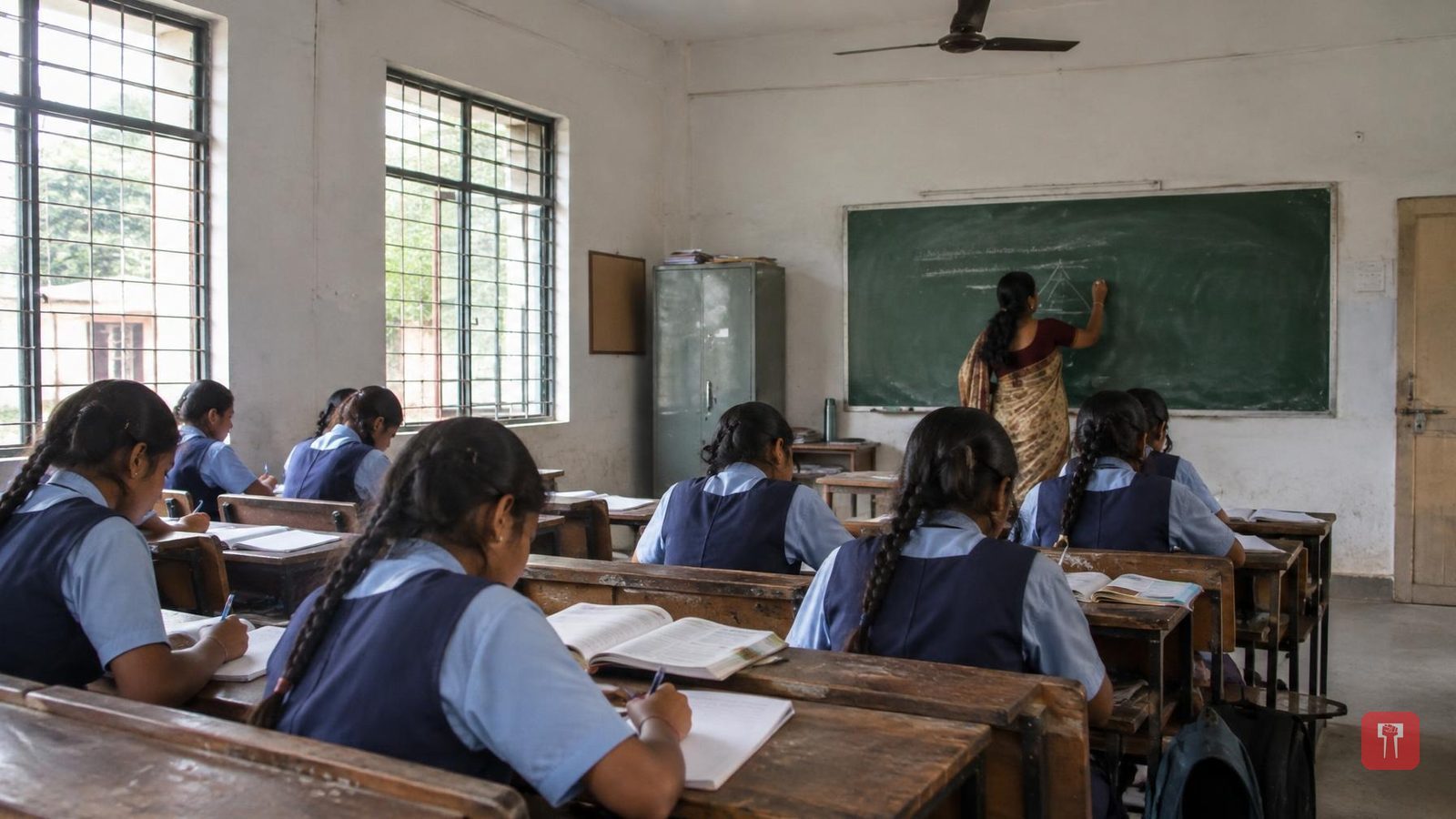 Images are not validated/verified
The 21st century is called the century of science, technology and modernity. Yet in many parts of the world, and in our own society, girls still have to struggle to get basic rights, education, health and equal opportunities. Girls are not merely a support to the family; they are the backbone of the progress of the entire country. International Day of the Girl Child is observed with due seriousness on October 11 every year to carry this message across the world. The day is not a mere ritual. It is a platform where everyone comes together to address the challenges girls face and to give wings to their dreams.
The day originated from an important resolution of the United Nations General Assembly (UNGA). The Assembly passed the resolution on December 19, 2011, so that the rights of girls and their empowerment could be discussed around the world. Through this resolution, October 11 was declared International Day of the Girl Child, and the first official Day of the Girl Child was observed in 2012. The initiative traces its roots to the 1995 World Conference on Women in Beijing, where a separate action plan for the rights of girls was drawn up for the first time. Since then, the day is observed every year around a specific theme.
On education, girls in many rural and remote areas are still forced to leave school before completing primary education. Poverty, lack of safety, household responsibilities and social evils such as child marriage are major obstacles to their progress. According to a United Nations report, millions of girls across the world are still deprived of education. Lack of education is not the loss of one girl alone. It holds back the economic and social progress of the entire society. When a girl studies, she brightens the future of her whole family and the next generation as well.
Along with education, girls' health and nutrition are also a highly sensitive issue. Malnutrition, anaemia and hesitation around menstrual hygiene put the health of many girls at risk. In today's digital age, it is equally important to make girls digitally literate. Girls should get opportunities equal to men in online learning, digital skills and the field of technology. Without narrowing the digital gender gap, girls will not be able to compete at the global level.
In India, the Centre and state governments are running several welfare schemes for the safety and well-being of girls. Thanks to schemes such as 'Beti Bachao, Beti Padhao', the 'Sukanya Samriddhi Yojana' and free education schemes for girls, a positive change has been seen in the sex ratio and in girls' enrolment in schools over the past few years. In addition, the legal framework to protect the girl child has been strengthened by the law prohibiting child marriage and the Pre-Conception and Pre-Natal Diagnostic Techniques (PCPNDT) Act.
However, no matter how many government policies and global campaigns are run, full equality cannot come until people's thinking changes. The difference between sons and daughters should be ended, and girls should be given the freedom to take their own decisions. It is the responsibility of every parent, society and the country to provide every girl a safe and open environment to achieve her goals. When we trust the daughter of our home, she gathers the strength to touch the sky.
