

Intel CEO invests in Indian EV maker Ultraviolette, backs global expansion
Ultraviolette raises 85 million dollars with personal investment from Intel CEO Lip-Bu Tan, who will also advise the company as it eyes the US, Latin America and Southeast Asia.
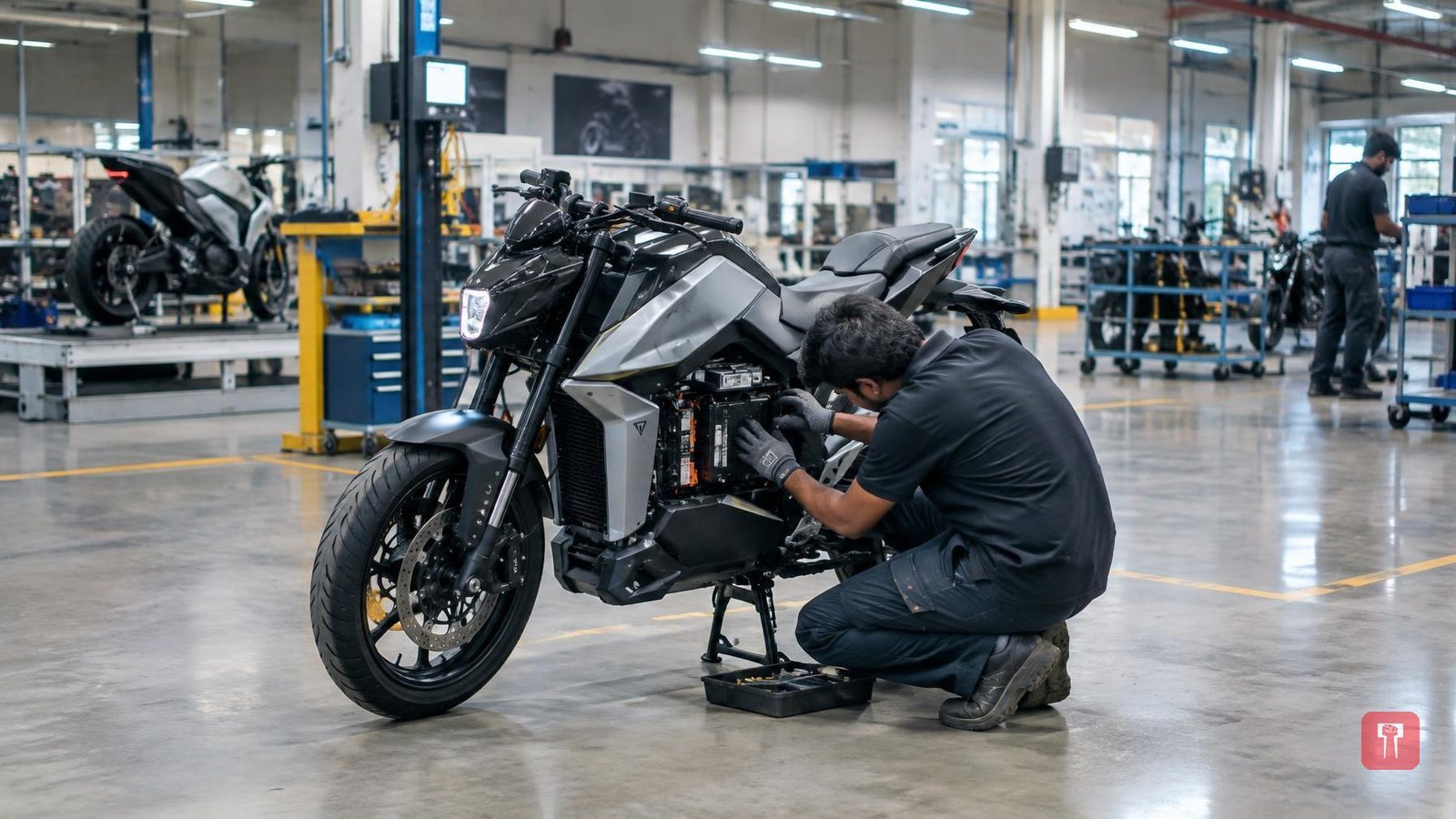
Indian electric two-wheeler maker Ultraviolette has taken a major step toward global expansion. The company has raised 85 million dollars in new funding, with Intel CEO Lip-Bu Tan personally investing in the round. Tan will also join Ultraviolette as an advisor.
The new capital will be used for three purposes: increasing production capacity, developing a new electric vehicle platform, and expanding the company's presence abroad. Ultraviolette currently operates in India as well as 20 European countries. The company is targeting entry into the American market in 2027, to be followed by expansion into Latin America and Southeast Asia.
The company's current products include the F77 and X-47 electric motorcycles. The new funding will boost production of these models and speed up development of the Tesseract electric scooter and the Shockwave enduro motorcycle. According to investors, Tesseract is targeted for launch in early 2027.
Another distinctive feature of Ultraviolette is that the company develops most of its technology in-house, including battery architecture, power electronics, vehicle platforms and software. Its technical capability supports battery architectures ranging from 48V to 400V. The X-47 uses radar-based safety technology.
To increase production, the company plans to set up a new plant in Hosur, Tamil Nadu. Ultraviolette will invest around 779 crore rupees in the project, with a plan to take annual production capacity up to 500,000 units once the expansion is complete. This capacity could help Ultraviolette make products both for premium electric motorcycles and for a larger customer base.
With Intel's CEO on board and a large funding round behind it, Ultraviolette is moving beyond being just an Indian EV company to building a global identity. Its performance on production, new models and exports will be key in the period ahead.
