

How to get ancestral land mutated in your name: process and papers needed
Heirs who inherit ancestral land or a house must have their names entered in revenue records through mutation before they can sell, partition or borrow against it.
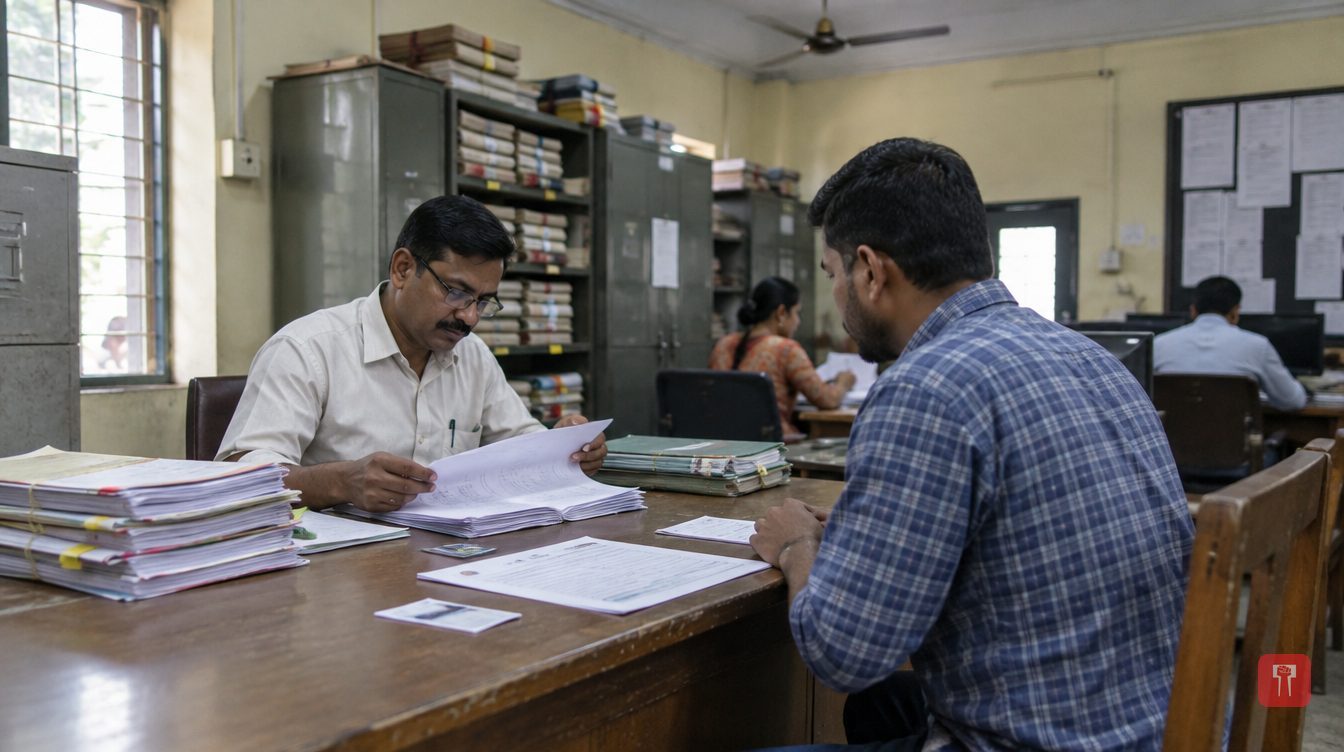 Images are not validated/verified
Many families face the question of how to get their right recorded when they inherit ancestral land or a house from a great-grandfather or father. In India, a large number of families receive ancestral property through inheritance but never get their names entered in the revenue records.
The problem arises when the property has to be sold, partitioned among heirs, or used to raise a loan. Before that, the information already entered in the records and the related papers should be checked carefully. After that, an application should be submitted to have the land transferred to one's name.
If the land records carry the names of elders and one's grandfather or father has died, one can apply to have one's own name entered.
It is also important to understand what a jamabandi is. The revenue documents relating to land are called jamabandi. They can carry details of the owner or the person in possession of the land, a description of the land, and matters such as cultivation or rent. Land records are known by different names in different states. In Maharashtra, it is called 7/12.
According to information provided by INBA, a will of the person in whose name the land stands is required. An application has to be given to the tehsildar, and an affidavit can also be prepared if needed. Entries related to this can also be viewed on the Government of India's web portal. The papers should be verified with the Aadhaar cards of the other family members. After that, the process of changing the name can begin. This process is called dakhil-kharij, or mutation.
A legal heir of the land can easily apply to have the name changed in the revenue records. If the land has already been partitioned within the family or a valid will exists, the relevant partition deed, will or other papers may be sought for the administrative or legal process. If other heirs in the family object to the land being transferred or do not agree to the partition, a deeper inquiry or the appropriate legal steps may be needed.
The documents required are as follows:
The jamabandi or land papers carrying the details of the registered owner. Old title papers showing whose land it is and how it was acquired. The will of the previous owner. Proof of being a legal heir. Identity proof and address proof. If the claim on the land is based on a will or a partition, the papers related to it. And the mutation application for changing the name in the land entry, along with the fee receipt.
