

How to become an Army doctor: NEET, admission to AFMC Pune and starting pay
Aspirants need Class 12 with at least 60 per cent and a NEET pass, and are commissioned as Lieutenant or Captain after MBBS.
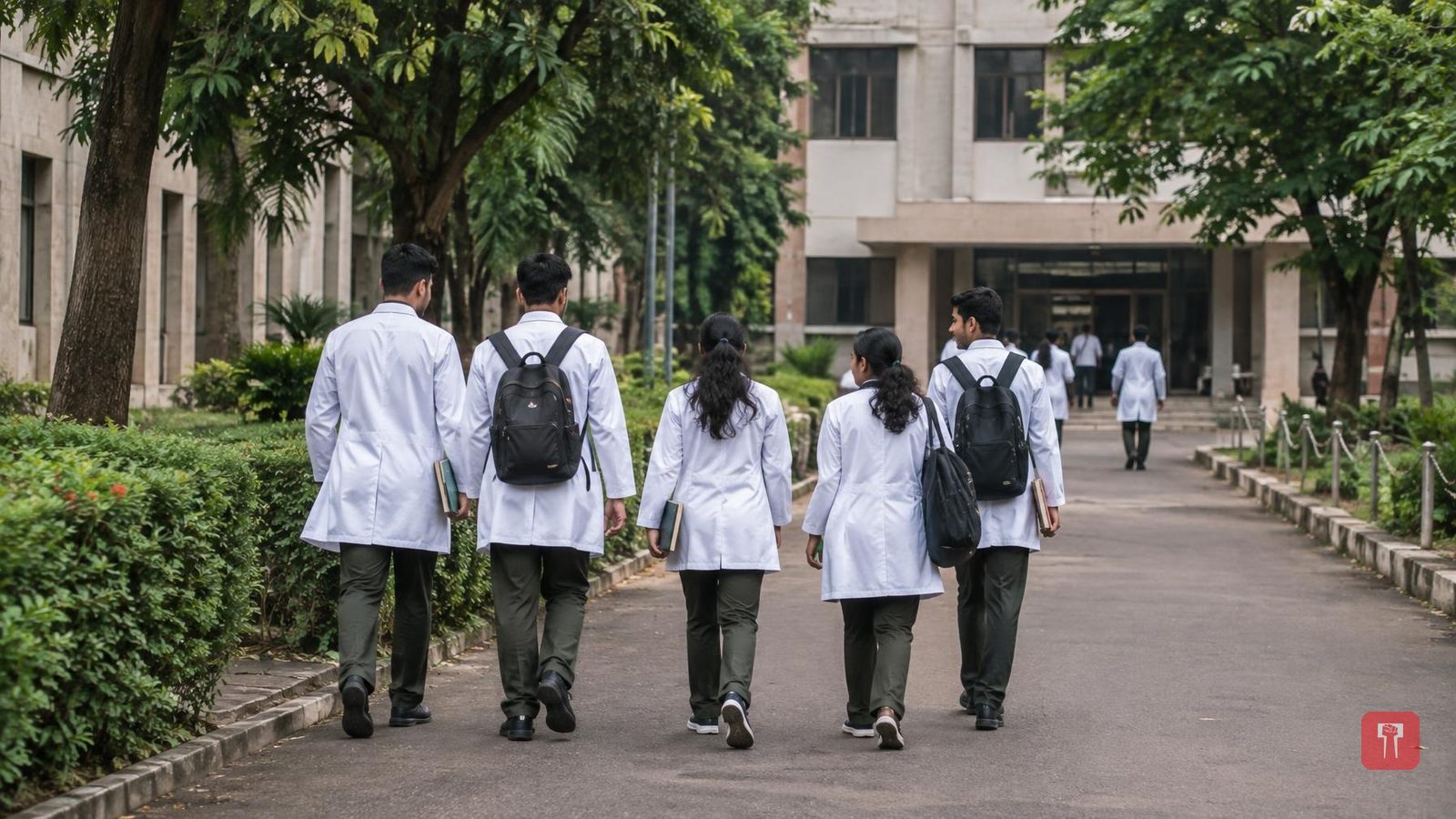
Many young people dream of serving the country. The respect and pride multiply when the responsibility of saving the lives of soldiers posted on the border falls to a doctor. Soldiers guard the nation day and night at the border, and the Army Medical Services (AFMS) is responsible for their health and initial treatment.
Becoming a doctor in the Army is not an ordinary job. It is a calling that brings the honour of being a soldier along with being a doctor. For those who want to wear the military uniform along with studying medicine, this is an excellent path.
On eligibility, a candidate must pass the Class 12 examination with Physics, Chemistry, Biology and English, with at least 60 per cent marks. Passing the NEET examination is also mandatory.
The Armed Forces Medical College (AFMC), Pune, is the main centre for becoming an Army doctor. Admission here is based on NEET scores. Shortlisted students have to go through a computer-based test, an interview and a medical fitness test.
After admission to AFMC or a college attached to another military hospital, students are taught Army rules and discipline along with the MBBS course. On completing their studies, they are commissioned directly as Lieutenant or Captain in the Army, Navy or Air Force.
Eligible candidates are posted to military hospitals across the country, field units, command hospitals or medical posts in the battlefield. For those starting at the rank of Captain, the initial monthly earnings, including basic pay under the 7th Pay Commission, military service pay and other allowances, are well above Rs 1 lakh.
Like other military officers, they also get free accommodation, rations, medical claims, a canteen card, good schools for their children and opportunities for promotion.
The retirement age of an Army doctor generally ranges from 58 to 60 years or more, depending on rank and specialisation. After retirement, they receive a pension as per Central government rules, free medical facilities for life and all benefits given to ex-servicemen. The great respect the profession commands in society also makes it special.
