

How pilots are trained to handle in-flight emergencies, from CPL rules to salaries
Calls for an Ashoka Chakra for Captain Smit Machchhar raise the question of how commercial pilots are trained to handle crises in the air.
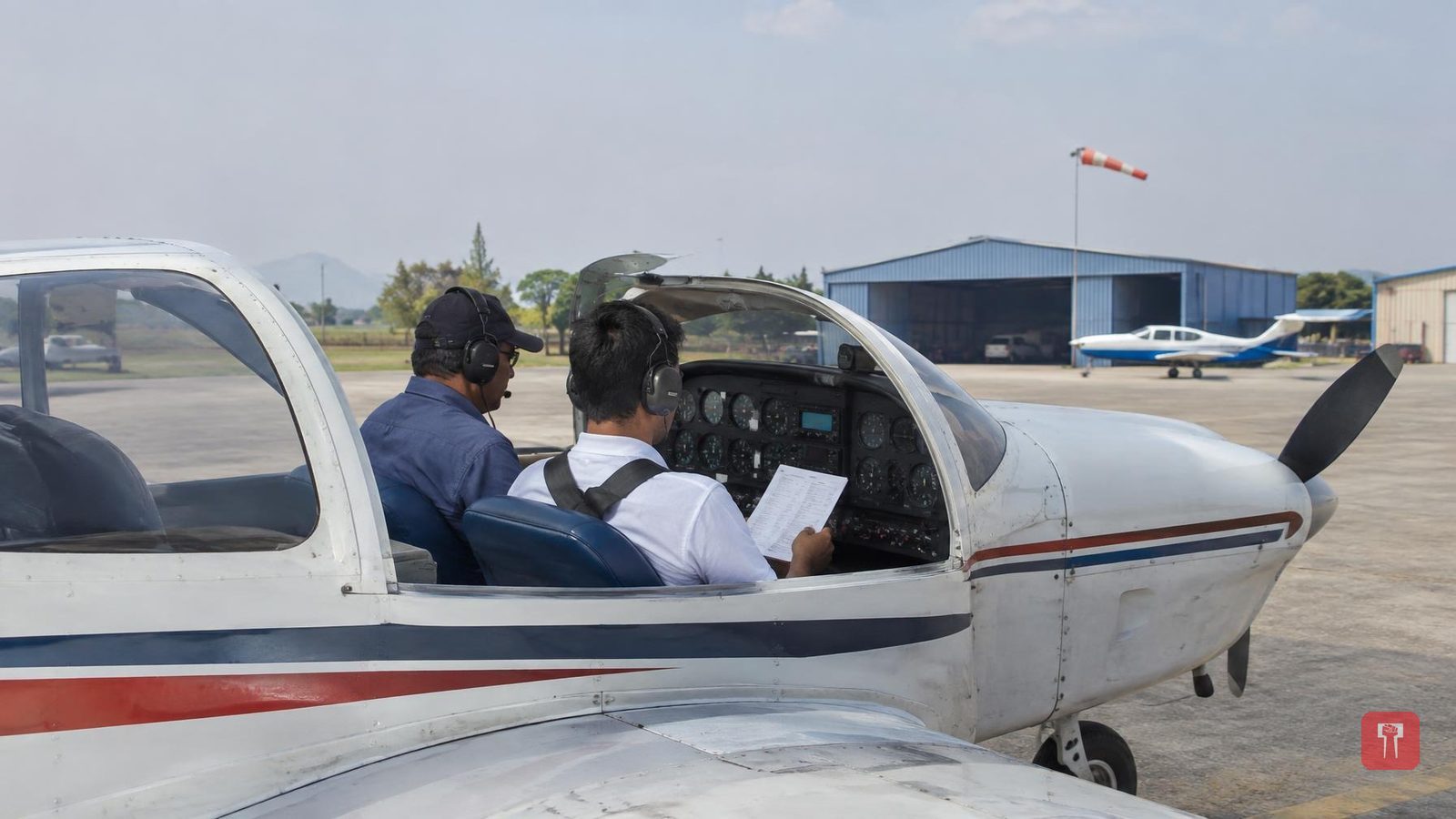
Captain Smit Machchhar is being praised from across the world, including by Prime Minister Narendra Modi. In view of his performance, the first major demand has come from Maharashtra that he be given the Ashoka Chakra, India's highest peacetime gallantry award, for exceptional bravery. It also raises the question of how pilots are prepared and what they are taught in training.
If a technical fault, an engine problem or poor weather that cuts off visibility strikes an aircraft flying thousands of feet up, a decision taken in a few seconds can be vital for the safety of hundreds of passengers. This is why commercial pilots are taught more than flying. They also receive strict training in taking decisions in an emergency according to set procedure.
To obtain a Commercial Pilot Licence (CPL) in India, a candidate must meet the eligibility and training conditions laid down by the Directorate General of Civil Aviation (DGCA). Those who did not study science in Class 12 may have the option of completing Physics and Mathematics through a recognised board. Applicants should check the latest DGCA rules before applying. Medical fitness is also essential. Eyesight, hearing, heart and overall health are examined, and a DGCA medical assessment must be completed at different stages of training and licensing.
Flying training is a key part of the CPL. Under DGCA rules, a CPL generally requires at least 200 hours of flying experience. This includes meeting set requirements for solo, cross-country, instrument and other flying. Candidates must also study Air Navigation, Aviation Meteorology, Air Regulations and technical subjects related to aircraft, and pass the required examinations.
Training begins at ground school, where trainees learn how an aircraft works, how weather affects flight, how navigation is done, what the air traffic rules are and how the aircraft's various technical systems operate. Instrument flying then becomes very important. In darkness, dense fog or bad weather, when the view outside is limited, a trained pilot learns to keep the aircraft under control using instruments and set procedures.
Simulator training is among the most important parts of the course. Various emergencies can be practised in a simulator without endangering a real aircraft or passengers. Crews repeatedly rehearse the correct procedure under simulated engine failure, fire or smoke, bad weather, instrument failure and other abnormal or emergency conditions. This helps a pilot make effective use of checklists, cockpit coordination and decision-making in a real crisis.
Crew Resource Management (CRM) is vital in air services today. It stresses communication between the captain and the first officer, workload management, situational awareness, decision-making and coordination with air traffic control (ATC). Airline pilots must also complete a type rating for the aircraft type and the company's own training. Training does not end even then. Regular recurrent training and proficiency checks keep testing their skills.
A pilot's salary depends largely on the airline, experience, seniority, aircraft type, domestic or international operations and the contract. It can therefore range from Rs 50,000 to Rs 15 lakh a month. Actual pay varies with factors such as the airline, experience and aircraft type.
No one becomes a captain as soon as training ends. Generally, after gaining experience as a First Officer and completing the required flying experience, airline requirements, command training and checks, a pilot gets the chance to become a Captain or Commander.
