

G7 nations agree to release 100 million barrels of oil from emergency reserves after Trump warning
All G7 members have agreed to release 100 million barrels of diesel and crude from strategic stocks to ease fuel prices, after pressure from US President Donald Trump.
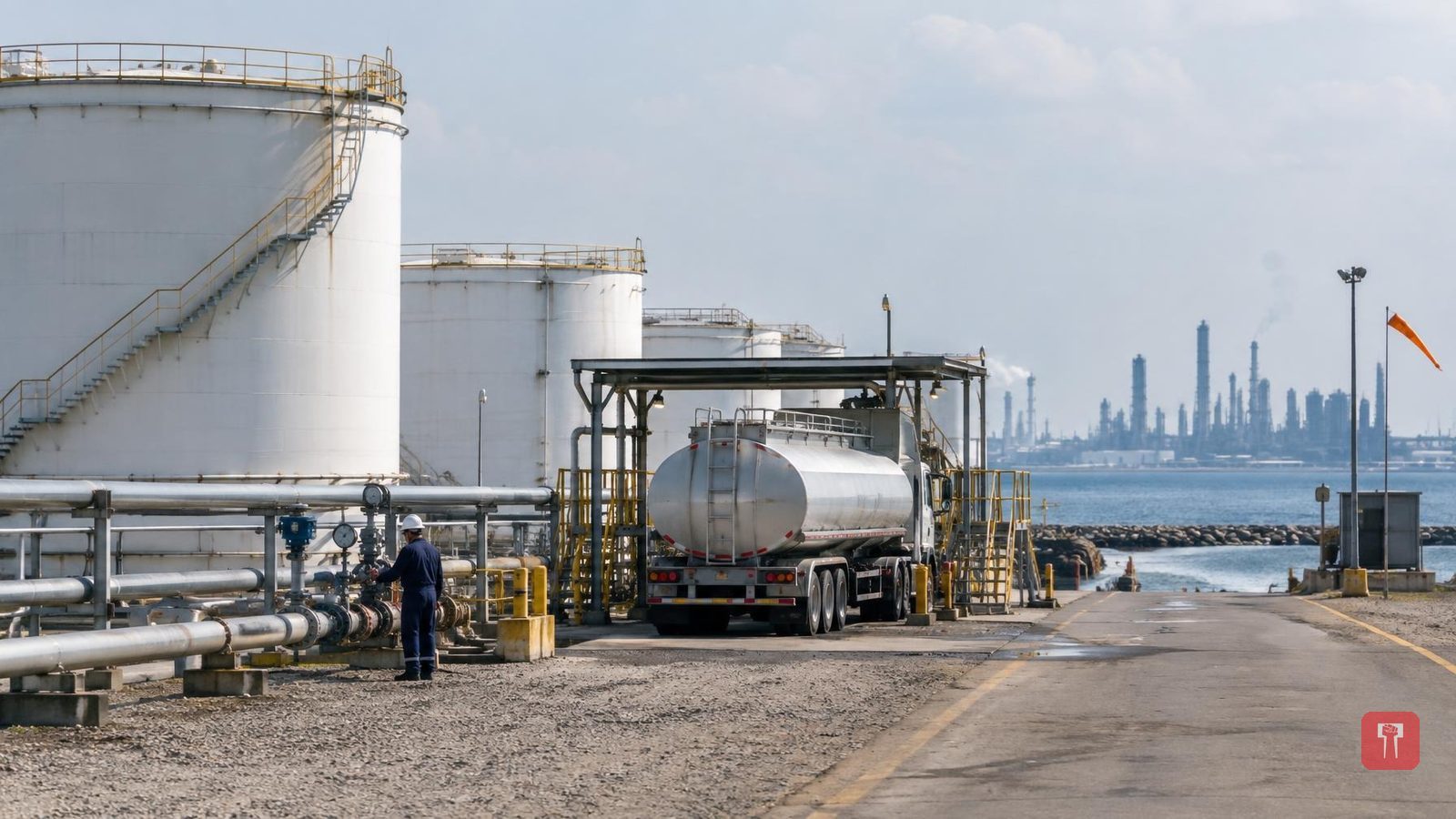
The Group of Seven (G7) nations have taken a major step to rein in rising fuel prices and ease strain on the global energy market. After direct pressure from US President Donald Trump, all G7 member countries have agreed to release a full 100 million barrels of diesel and crude oil from their emergency strategic reserves into the international market.
Mid-term elections are approaching in the United States, and the Trump administration has taken this hard line so that fuel prices at home do not soar. With the decision, the member countries have also jointly pledged that no restrictions will be placed on energy exports anywhere in the world.
The entire effort will be coordinated through the International Energy Agency (IEA). The decision is said to follow a stern warning the Trump administration gave to the European Union (EU). Trump had said that if Europe did not ease pressure on the market by raising diesel supply from its own emergency reserves, the United States would stop diesel exports to Europe altogether.
Europe currently depends heavily on American diesel. If that supply stopped, European countries could face a severe fuel shortage and their economies could suffer major damage.
After the Russia-Ukraine war and political developments in the Middle East, the EU had reduced its dependence on Russian fuel. But in that shift, Europe's reliance on American fuel, especially diesel, grew considerably. The Trump administration's new stance has left European countries in a serious dilemma. If the US bans diesel exports, prices of fuel for transport, industry and daily use in Europe would rise sharply. Given this risk, the G7 countries have chosen to open up emergency reserves immediately.
Keeping fuel prices in check is not only Europe's concern but also a key political agenda for the Trump administration in the US. If petrol and diesel prices stay low in the American market, Trump stands to gain politically. Efforts to bring prices down by putting additional supply on the world market are therefore moving quickly.
This is not the first release from Strategic Petroleum Reserves. In March, after the Iran war and sharp tensions in the Middle East, a historic agreement led by the IEA was reached to release a record 400 million barrels of oil. It was the largest emergency oil release in history.
Questions had continued to be asked about how much of the oil from the March agreement actually reached the market. IEA Executive Director Fatih Birol said recently that about two-thirds of the 400 million barrels approved in March has been distributed among various countries. That means one-third is yet to be distributed. Economists and markets around the world are now watching how much of a positive effect the G7's new 100 million barrels, together with the remaining stock, will have on global crude prices once it reaches the market.
