

From Singapore's chewing gum ban to napping at work in Japan: some of the world's unusual customs
Customs and traditions differ from place to place, and some practices in other countries can surprise outsiders.
Customs, ways of living and traditions differ from place to place. They often seem new and surprising to us. What looks ordinary to us may be viewed differently in another country. Here are some unusual traditions and beliefs from around the world.
First, Singapore. Many of us chewed gum as children, and it is a favourite snack of the young. But chewing gum is not allowed in Singapore. The country has banned its sale, import and manufacture since 1992.
Next, Japan. In India, an employee found sleeping at work is considered unprofessional and lazy. In Japan, however, sleeping at the office is seen not as wrong but as a good thing. In Japanese culture, the afternoon nap is called "inemuri", a traditional practice. From the Japanese point of view, sleeping at work means the person has worked so hard that they could not get enough sleep.
In France, a law allows a person to marry their partner even after the partner's death. After someone dies, usually only their memories remain, but France keeps this option open. It is called "marriage postume" there.
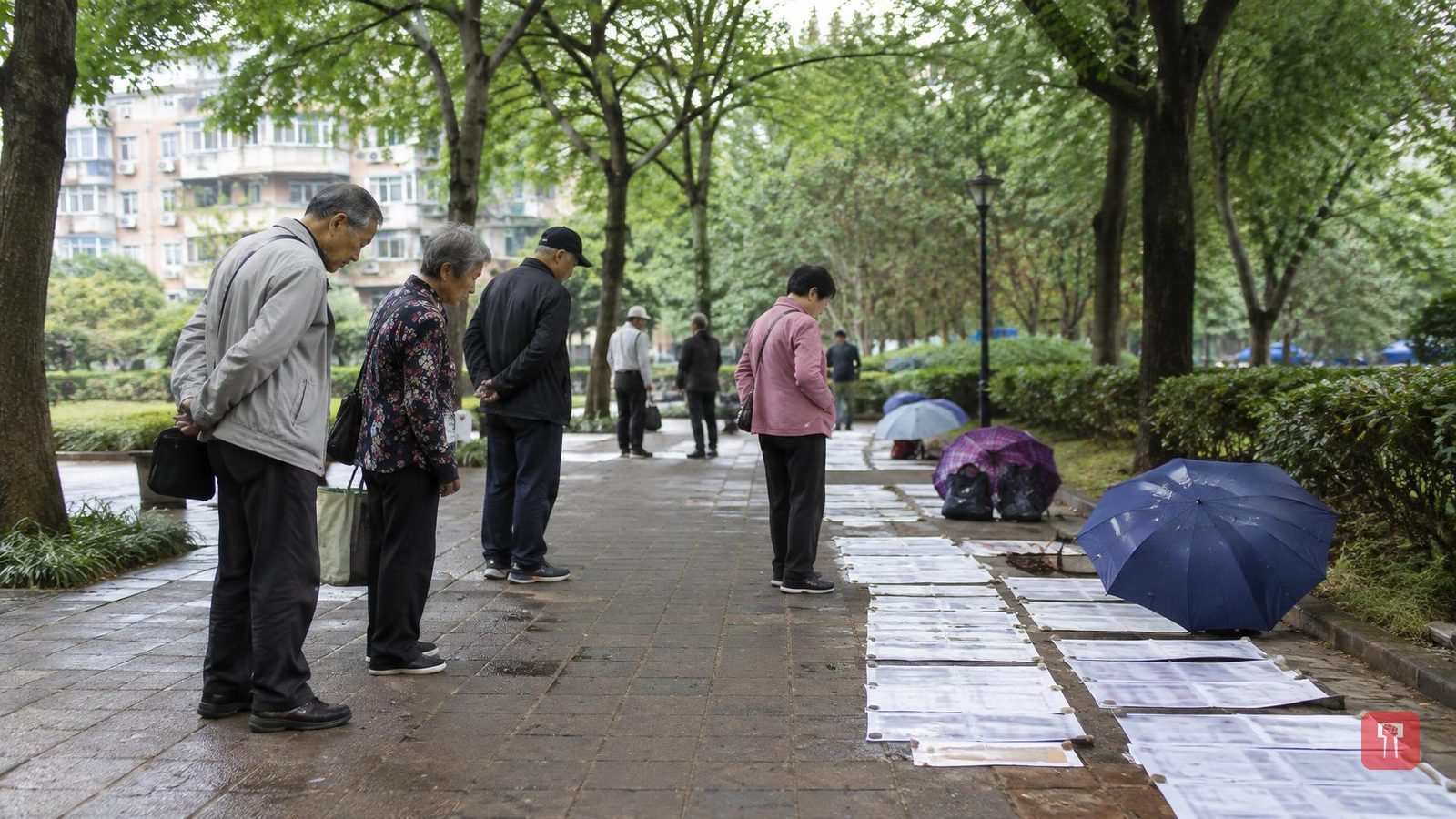
China has a different way of arranging marriages too. In India, arranged marriage is still given great importance, as are older traditions. In China, matches are not made through a "kande pohe" meeting at home. Instead, people visit marriage markets held publicly in parks. The Shanghai marriage market is very well known.
Finally, North Korea, known worldwide for strict government restrictions. Ordinary people face tough rules even on common matters. It is said that the government has chosen about 15 to 28 hairstyles that citizens may adopt, so people must pick their hairstyle from these approved options.
