

Do not rush weight loss after delivery, says doctor on the right postpartum diet
A gynaecologist explains why new mothers need balanced nutrition, not calorie cutting, in the weeks after childbirth
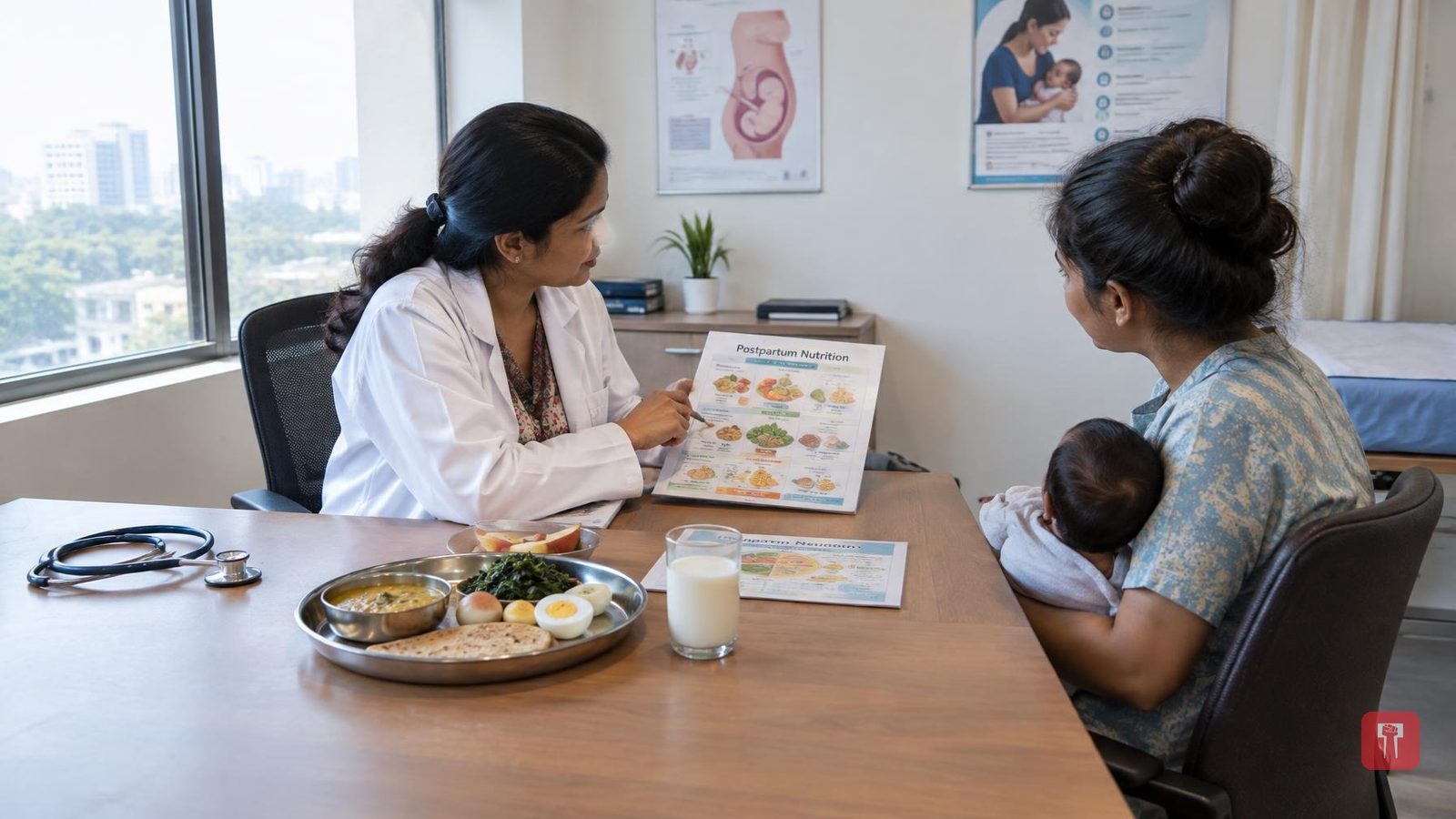
After a baby is born, the household's attention usually turns to the infant's feeding and sleep, while the new mother's own meals, water intake and rest often get overlooked.
The mother's body is still recovering from delivery even as she breastfeeds, copes with broken sleep and keeps up with constant activity. Simply eating enough or taking in more calories is not sufficient; the body also needs the right nutrients. Dr Preethika Shetty, obstetrician and gynaecologist at Motherhood Hospitals, Kharadi, has explained what should be included in the diet after delivery.
The birth of a child is a moment of joy for the family, but the rush of caring for the baby often means the mother's own health is neglected. Breastfeeding, caregiving, broken sleep at night and adjusting to a changed routine put physical and mental strain on the mother. Since the body is also recovering from pregnancy and delivery during this time, it is important to pay special attention to diet.
According to Dr Shetty, a postpartum diet does not simply mean eating more. The body needs adequate vitamins, minerals, protein, iron, calcium, healthy fats and enough fluids. If the mother is breastfeeding, her nutritional needs increase further. So instead of rushing to lose weight immediately, it is more important to get sufficient and balanced nutrition to help the body recover.
Blood loss during delivery can lower iron levels in the body. The stress of pregnancy and delivery can also leave the mother feeling fatigued. Without the right diet, the process of the body returning to normal can become harder. Breastfeeding mothers need more of certain nutrients and fluids, but in the rush of caring for the baby, many mothers are unable to eat on time and end up filling their hunger with tea, biscuits or packaged food, which is not ideal.
According to Dr Shetty, the postpartum diet should include green leafy vegetables, lentils, meat, eggs and other iron-rich foods. If a doctor has prescribed iron tablets, these should be continued as well. Protein from lentils, eggs, fish, chicken, milk and dairy products, paneer and soybean helps repair wear and tear in the body and aids muscle recovery. Milk, curd, paneer and other calcium-rich foods are essential for bones, and vitamin D helps the body absorb calcium; if there is a deficiency, a doctor may advise supplements.
She also advised including fruits and vegetables of different colours, oats, wheat roti, whole grains such as brown rice, and healthy fats from lentils, seeds and fish in the diet. Adequate fluids such as water, soup and milk should also be taken, and breastfeeding mothers in particular need to make sure they do not become dehydrated.
After delivery, mothers often become so occupied with caring for the baby that their own food and health get neglected. There is also pressure over when the earlier body shape will return and when the weight will come down. But according to the doctor, this period is not for rushing to lose weight, but for taking care of the body and adjusting to a new routine.
