

Coral thrives at Bikini Atoll decades after 23 nuclear tests, puzzling scientists
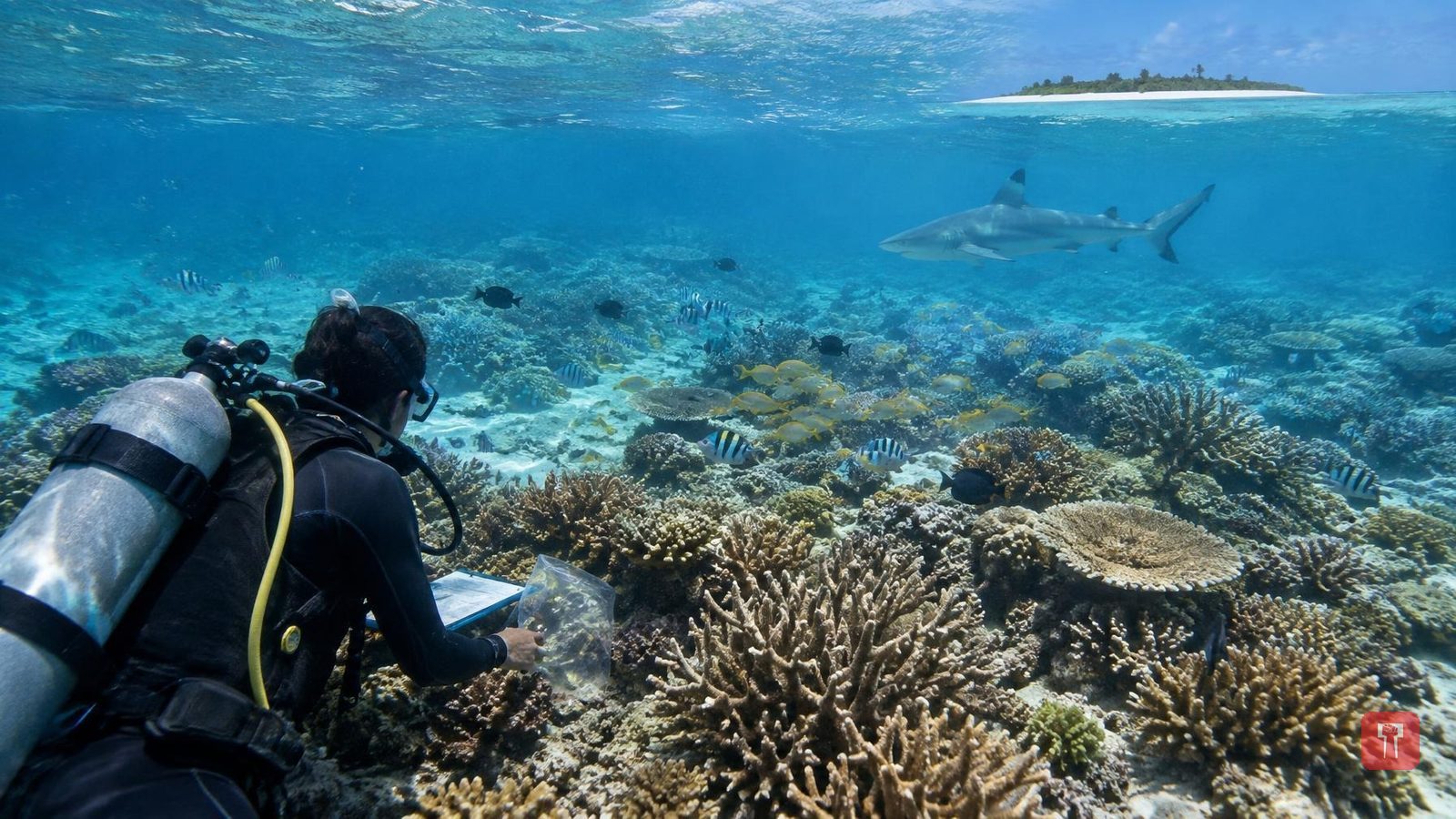
Marine researchers have found fish, tuna, sharks and large coral reefs growing around Bikini Atoll, where the US carried out 23 nuclear tests between 1946 and 1958.
News from Bikini Atoll in the Pacific Ocean has surprised many. Until now, the name of the place was mentioned only in connection with the devastation caused by nuclear weapons.
In the Cold War era after the Second World War, the United States carried out 23 nuclear tests on Bikini Atoll, part of the Marshall Islands, between 1946 and 1958. The blasts upset the natural balance there. Land and water were contaminated with toxic radiation, and the residents had to leave their homes and settle elsewhere permanently.
For several decades the deserted area was known as a "graveyard of nuclear destruction". But recent marine research has revealed a force of nature that has stunned scientists around the world.
Of the 23 tests, the 1954 hydrogen bomb blast known as Castle Bravo was the most terrible. It is said to have been a thousand times more powerful than the bomb dropped on Hiroshima. It changed the geography of the island completely. Its soil, air, drinking water and the entire food chain were exposed to radiation.
The people left in the hope that they would return one day. But the nuclear contamination was so severe that they never got back to their homeland. Radiation remained in the area for a long time after the blasts stopped, and the island was declared wholly unfit for human use.
Now, decades later, Dr Stephen Palumbi, director of Stanford University's Hopkins Marine Station, and his team of marine biologists have carried out research in the lagoon of the deserted atoll. They were astonished by the evidence they found.
In the sea around Bikini, many kinds of fish, tuna, sharks and, above all, large colonies of coral reefs were seen growing in considerable numbers. Creatures such as fish or sharks can swim away from a contaminated environment to safety, but corals grow fixed in one place. How corals came to grow amid toxic radioactive water, and how they protected themselves for decades, is a question that puzzles scientists.
Ordinarily, high levels of radiation destroy the DNA in the cells of any organism or cause dangerous genetic mutations, leading to serious diseases such as cancer. But the study of the coral of Bikini Atoll suggests that the corals may have started growing again about a decade after the nuclear tests.
According to Dr Palumbi, species that constantly face environmental stress and biological crisis develop special genetic traits over generations that help them survive in harsh conditions.
Whether these corals are wholly unaffected by radiation or have developed a special biological system for repairing cells is still at an early stage of investigation. If scientists understand the corals' natural ability to repair DNA and resist radiation, it could give important direction to medical research on human cancer treatment and the protection of cells.
Nature's return to Bikini Atoll, devastated by the most destructive weapons humans have made, is astonishing and bears witness to its immense power.
