

Common backyard birds vanishing as 60% of India's bird species decline
A new State of India's Birds report finds 60 percent of 348 studied species declining, with even once-common birds disappearing from daily life.
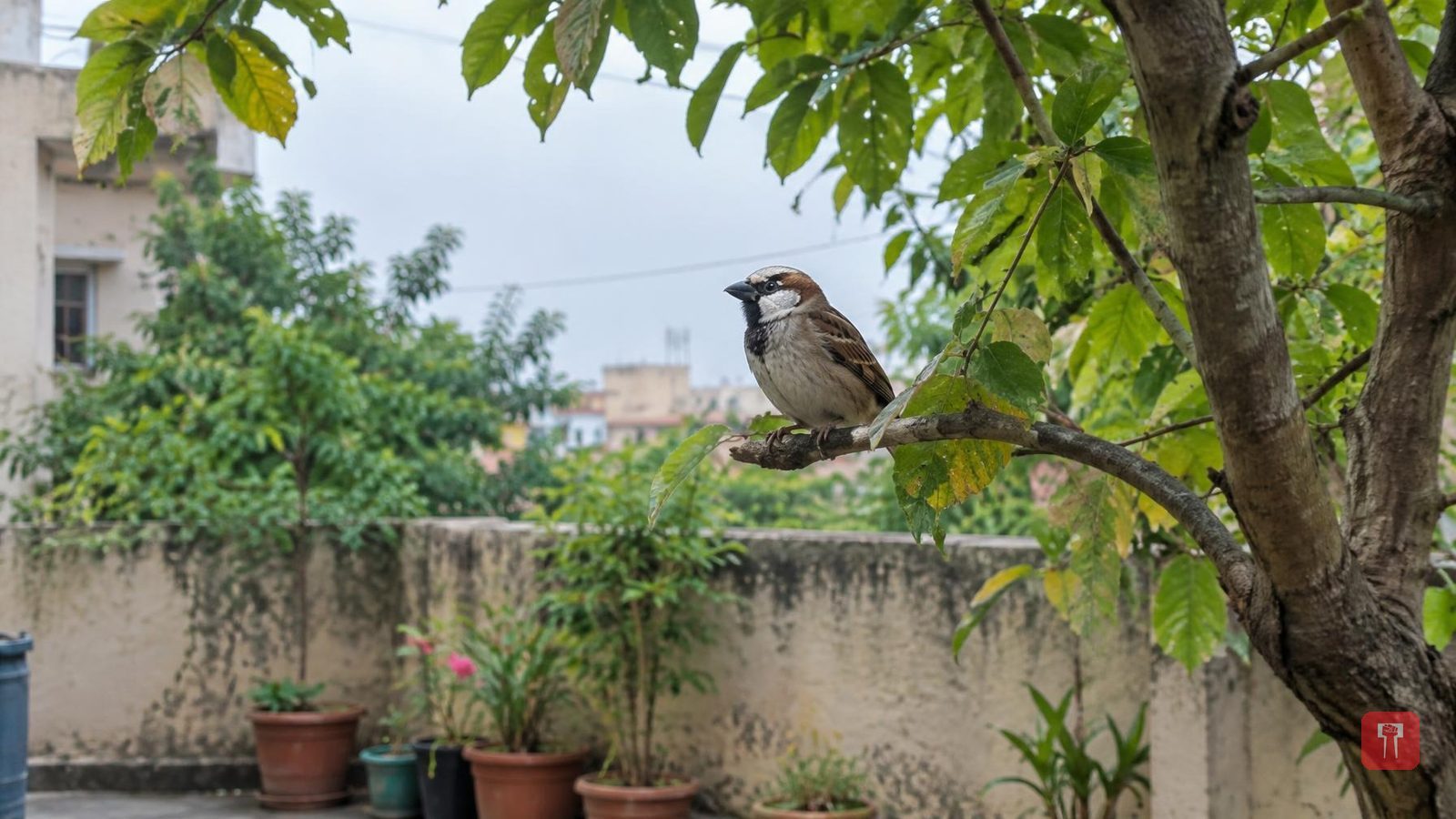
Many birds that were once easily spotted in courtyards, on field edges or on tree branches just a few decades ago are now almost unknown to the newer generation. According to the latest State of India's Birds report, a study of around 348 bird species in India found that 60 percent have been in long-term decline.
The report says what is more worrying than rare birds is that species once considered common are also gradually declining in number. Many birds have not seen a sudden drop in numbers, but such a slow decline that it is not being taken seriously.
Birds that were part of everyday surroundings decades ago are not even being seen by children today. This decline is not limited to any rare species. Urbanisation is affecting the habitats of the house sparrow, myna, magpie-robin, owl and other common birds. The study analysed 942 bird species in the country, using around 4.8 crore observation reports from birdwatchers across the country.
Several reasons have emerged behind the decline in bird numbers, such as the continuous loss of trees and natural habitats, growing urbanisation, changes in farming methods, pesticide use, pollution and human interference. Another lesser-known effect of human interference has also come to light. A study on the Himalayan monal bird in Uttarakhand found that in areas where human activity has increased noise levels, the birds have started calling louder to communicate with each other.
Vultures, birds of prey, migratory shorebirds and ducks are at the greatest risk, with large declines recorded in their numbers. The population of grassland birds has also fallen sharply. Long-distance migratory birds have seen a decline of more than 50 percent, while some migratory bird groups visiting coastal areas have recorded a decline of nearly 80 percent.
However, not all birds are faring badly. Some familiar birds such as the peacock, Asian koel, blue rock pigeon and grey bushchat have shown an increase or stability in their numbers. This means not all birds are declining, but the long-term decline seen in large groups of birds is certainly a cause for concern.
