

Commercial LPG cylinder costlier by up to Rs 70 from October 1 ahead of festive season
State-run oil companies raised the price of the 19-kg commercial cylinder from October 1, with Delhi now at Rs 2,810, while domestic cylinder rates were left unchanged.
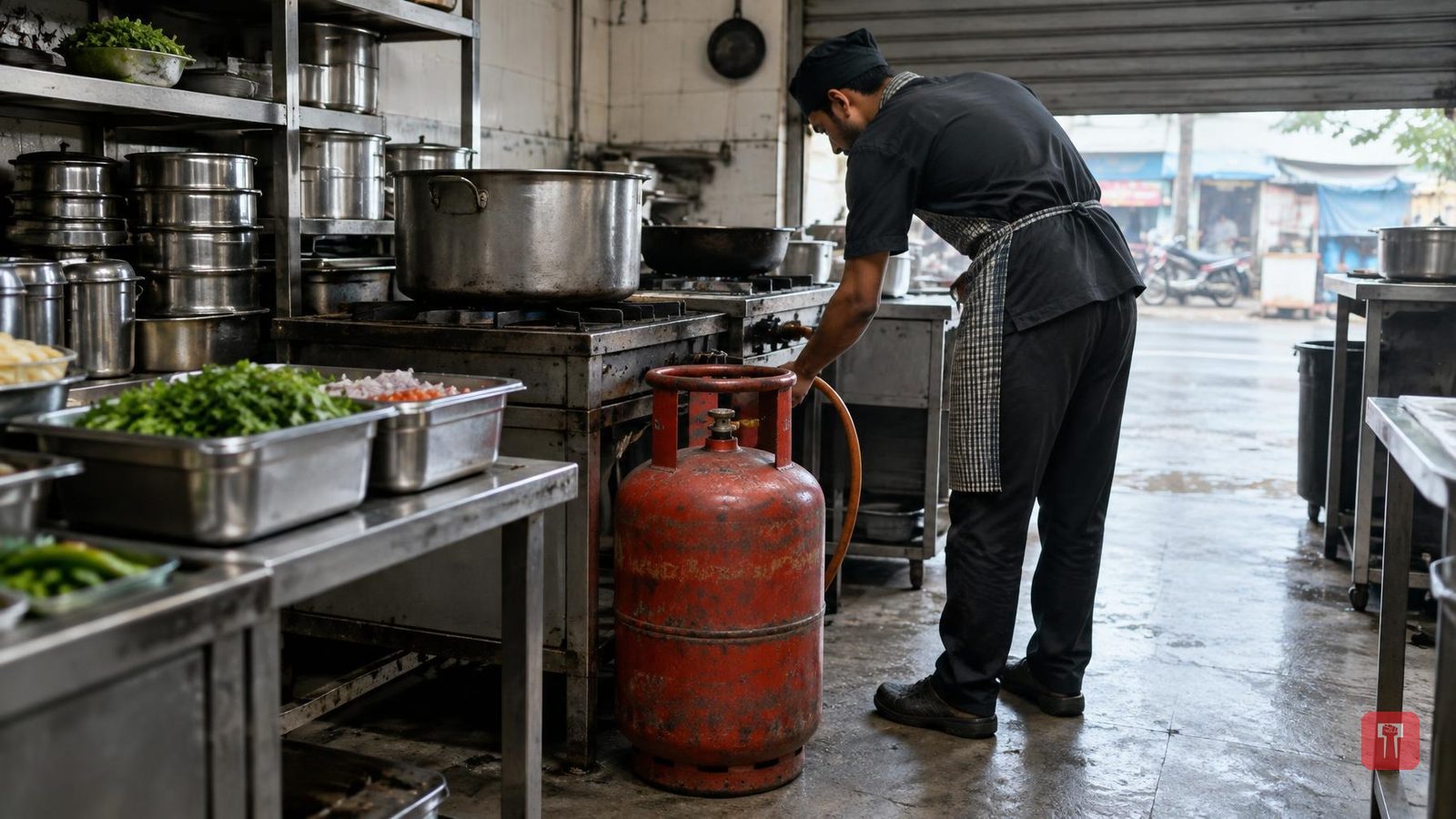
Sweets and savouries are made in homes across the country during the festive season, and cooking gas has become costlier just now. From October 1, state-run oil companies raised the price of the 19-kg commercial gas cylinder by up to Rs 70. In Delhi, the cylinder will now cost Rs 2,810.
The new rates have come into effect from October 1, and prices have gone up everywhere. In Delhi, the cylinder earlier cost Rs 2,747 and now costs Rs 2,810, an increase of Rs 62. In Kolkata, it was Rs 2,884 and is now Rs 2,954, an increase of Rs 70, the highest among these cities.
In Mumbai, the price was Rs 2,701 and is now Rs 2,764, an increase of about Rs 63. In Chennai, it was Rs 2,916 and is now Rs 2,983, an increase of Rs 66.
Commercial cylinder prices have risen for the second month in a row. They went up by Rs 10 in September. Before that, there was relief in July and August, when prices fell by Rs 183 and Rs 209 respectively. In the six months from January to June, prices were raised seven times.
The rise has been attributed to tensions abroad. The dispute between the US and Iran has deepened and the situation in West Asia is unsettled. This has pushed up gas prices in the international market, and the effect is being seen here as well.
There is relief on domestic cylinders. The price of the 14.2-kg domestic cylinder has been left unchanged. Its last increase was on June 7, 2026, when it went up by Rs 29, and the price has not risen since. The domestic cylinder currently costs Rs 942 in Delhi, Rs 941 in Mumbai, Rs 968 in Kolkata and Rs 957 in Chennai.
October brings Navratri, Dussehra and Diwali. People eat out more during these days, eateries are crowded and sweets and farsan sell briskly. In many places, garba goes on through the night during Navratri, and eating out is common then. With gas costlier, the expenses of eateries, restaurants and sweet makers will rise and their budgets will be strained.
It is believed that they will recover the extra cost from customers, which would burden the common man. Restaurant meals, sweets, samosas and kachoris are all feared to become costlier.
