

Centre notifies stricter CAFE-3 fuel economy norms for carmakers, effective April 1, 2027
The norms for passenger vehicles will run until March 31, 2032, and put the onus on carmakers on design, weight and cleaner technology.
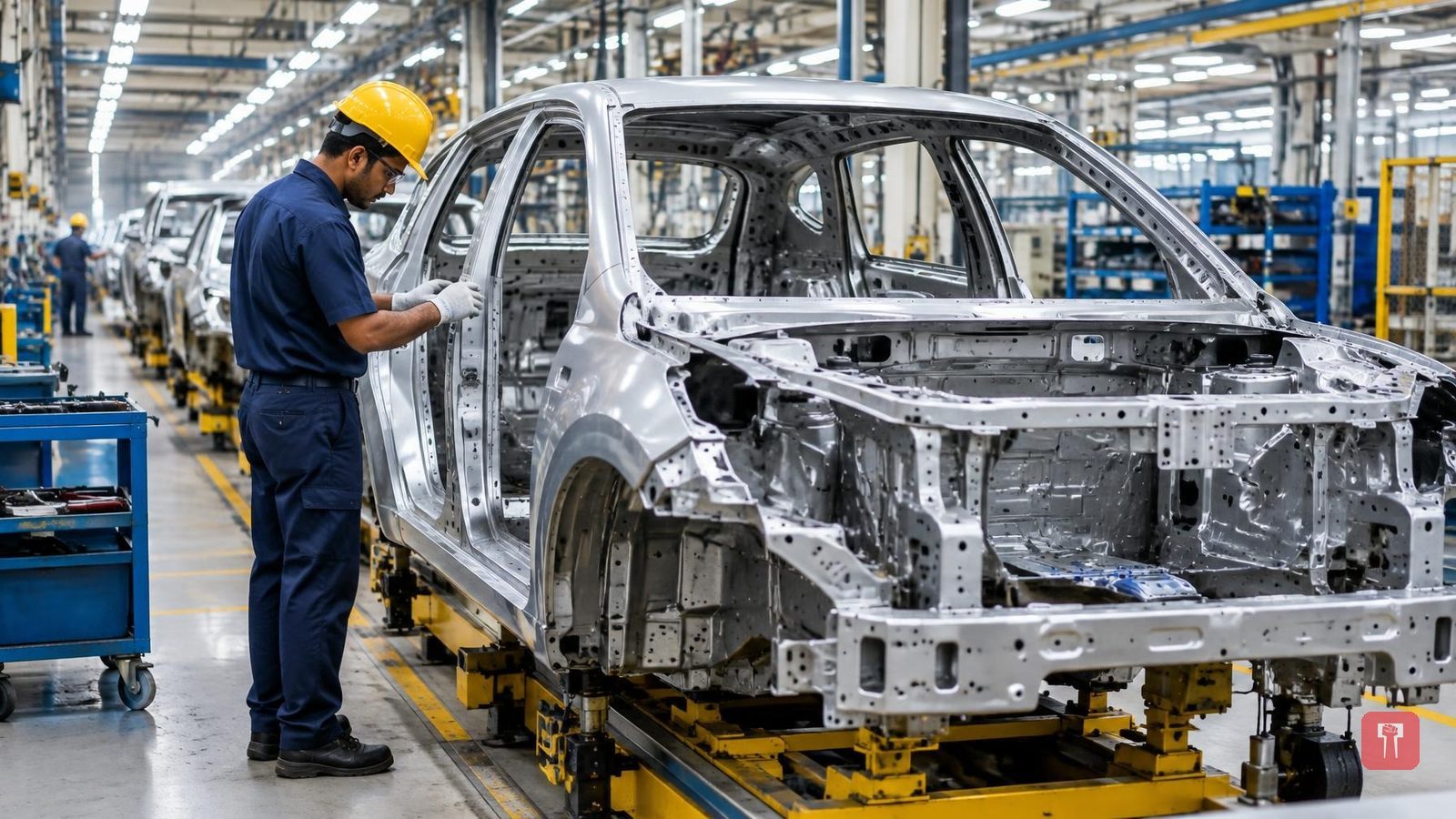
The Centre has formally notified new, stricter CAFE-3 norms for passenger vehicles. CAFE-3 stands for Corporate Average Fuel Economy Phase 3. The norms will come into force on April 1, 2027 and remain in effect until March 31, 2032. They place a significant responsibility on carmakers to adopt vehicle designs, weights and environment-friendly technology that meet the targets.
CAFE-3 sets government-fixed limits on the average fuel consumption and carbon dioxide (CO2) emissions of a carmaker's entire fleet, that is, all the vehicles it produces. In simple terms, companies can no longer get by merely by selling more vehicles. They will also have to show how little pollution their vehicles cause and how good a mileage they deliver. The norms will apply to all vehicles in the M1 category, including hatchbacks, sedans, SUVs and MPVs.
The vehicle weight standard has also been changed. The reference weight, or base weight, has been raised from 1,082 kg to 1,229 kg.
The fuel consumption benchmark will be 3.9960 litres per 100 km in 2027-28. It will be brought down gradually to 3.3273 litres per 100 km by 2031-32. This means companies will have to improve vehicle mileage every year.
To promote cleaner transport, the government has also included "super credits" (Volume Derogation Multipliers) in the norms. If a company makes battery electric vehicles (BEVs), each such vehicle will count as three vehicles.
Production of strong hybrids (SHEV), plug-in hybrids (PHEV) and flex-fuel vehicles will also get special encouragement. This will make it easier for companies to meet their overall fleet emission targets.
The norms also introduce a new credit-debit system. A company that sells more clean vehicles than its emission target requires will earn "credits", which it can use later or sell to other companies. Companies that miss the target will have to make up the shortfall through penalties or a buyout programme.
Overall, vehicles on the roads from 2027 will be smarter, cause less pollution and give better mileage.
