

Breathlessness: how to tell low fitness from a lung problem
A Pune pulmonologist explains how to tell whether breathlessness is due to poor fitness or an underlying lung disease
When patients go to the doctor complaining of breathlessness during everyday tasks or physical activity, they often ask the same question: is this because of low fitness, or is something wrong with my lungs. The confusion is natural, since both low fitness and lung diseases such as asthma, COPD or bronchitis can cause breathlessness. But the body gives different signals in each case, according to Dr Mahavir Modi, consultant pulmonologist and chest physician at Ruby Hall Clinic, Pune.
According to Dr Modi, the biggest difference is how long it takes for breathing to return to normal. If it is due to low fitness, breathing normalises within about 2 to 5 minutes of stopping the activity and resting. But in a lung disease, the feeling of breathlessness can persist even after rest, and it may take 10 to 15 minutes or longer for breathing to return to normal.
The body's response to exercise also differs. With low fitness, energy and physical capacity begin to improve within 2 to 3 weeks of starting daily walking, though breathlessness will occur if one walks for longer than before. In a lung disease, however, the discomfort may persist rather than ease with exercise, and pushing harder can bring on coughing, chest tightness or further breathing difficulty.
Other symptoms are also worth noting. Dr Modi says low fitness can cause breathlessness, tired legs and general fatigue, but wheezing while breathing or persistent coughing does not occur suddenly. In a lung disease, symptoms such as wheezing, persistent dry or productive cough, chest tightness or phlegm may be seen.
There is also a difference in everyday activities. With low fitness, breathlessness occurs during strenuous tasks such as climbing three flights of stairs or running to catch a bus, with no particular difference while sitting or lying down. But in a lung disease, even very minor tasks such as tying shoelaces, making the bed or talking can cause breathlessness, and lying flat on the back can make breathing more difficult.
Dr Modi also listed some warning signs that should not be ignored alongside breathlessness, and which call for immediate medical attention. These include suddenly waking up at night with breathing difficulty, swelling in the legs, ankles or lower feet, blue discolouration of the lips or nails, a feeling of pressure or heaviness in the chest, and being unable to complete a sentence without pausing for breath.
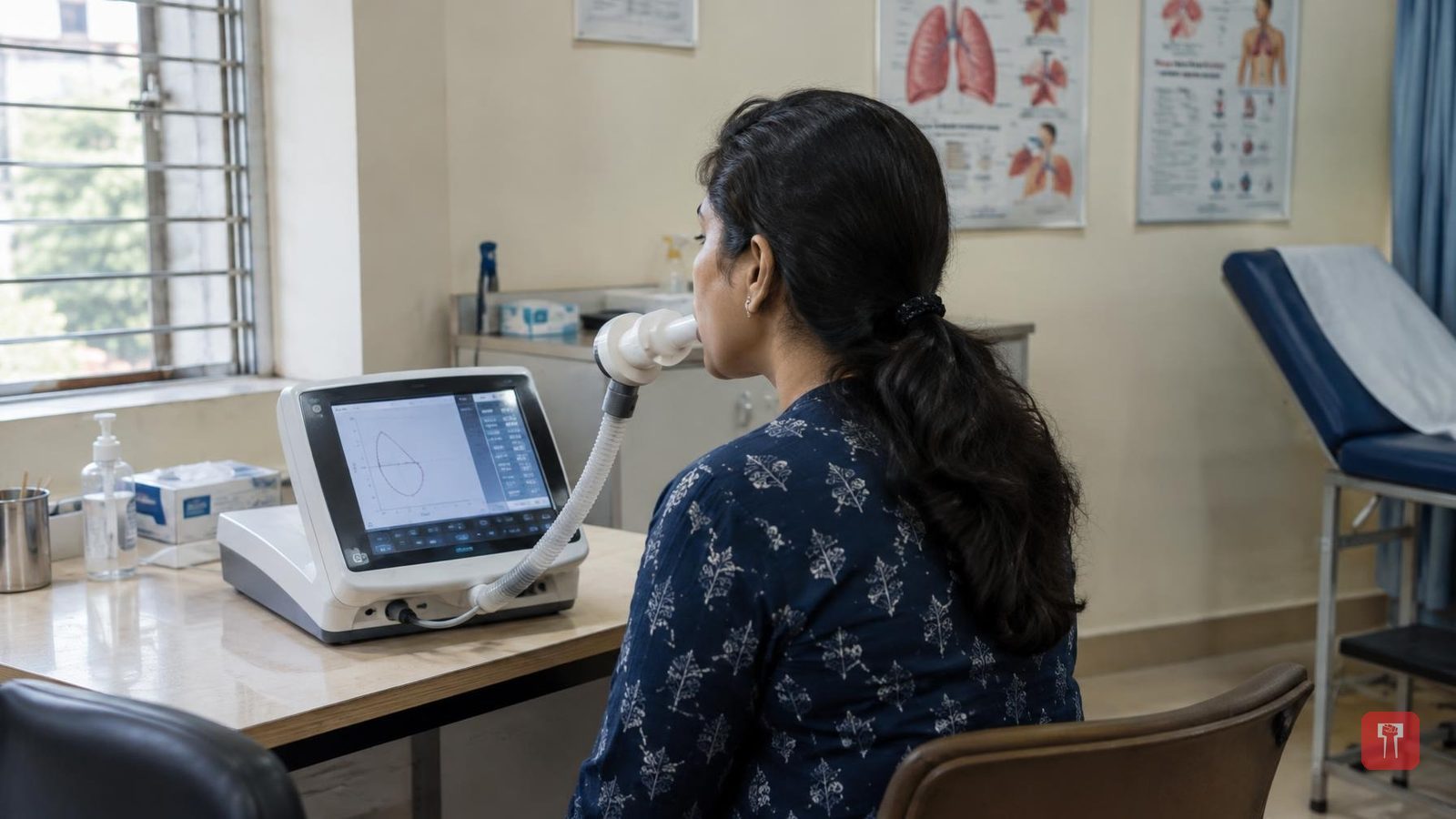
Dr Modi said that if someone suspects their breathlessness is not due to physical unfitness but a lung-related cause, a common test called spirometry, or a pulmonary function test, can be useful. This test measures how much air the lungs can hold and how quickly it can be expelled, helping to identify the real cause of the breathlessness.
