

Biofouling on ships stuck in Hormuz threatens Mumbai, Singapore ports
Hundreds of cargo ships idled for months in the Strait of Hormuz have grown thick biological layers that could carry invasive species to major ports
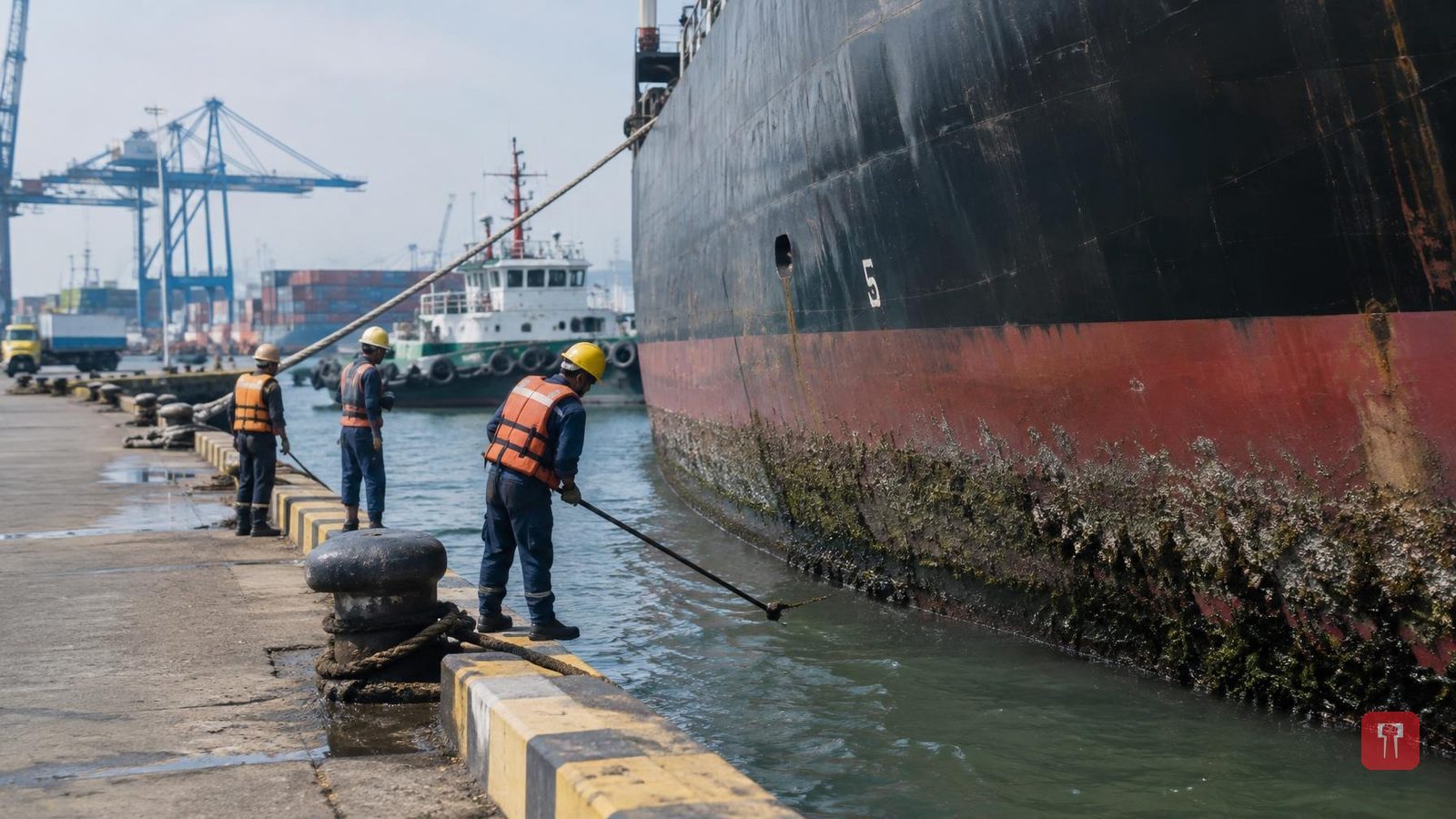
The military standoff in the Strait of Hormuz and the disruption to shipping through it have already created serious problems for the shipping industry. Now a more dangerous and largely overlooked side effect of the crisis is emerging. Hundreds of large cargo ships that have been anchored in the same spot in the Persian Gulf and the Gulf of Oman for months have developed a biological layer on their hulls, a process called biofouling. Scientists say this layer is becoming a major biological threat to marine ecosystems and marine life around the world.
Marine biologists say that when ships remain in shallow, warm water for long periods, various marine organisms grow rapidly on their surfaces. This process is known scientifically as biofouling. Barnacles, oysters, algae, microorganisms and various parasitic organisms attach themselves to the ship's hull and settle there. International researchers have warned that when these ships resume their voyages, they will carry invasive and dangerous species from one region to safe ports in Asia and Europe.
Commercial cargo ships normally stop at any port or at sea for only a limited time, which does not give marine organisms enough time or a suitable environment to take root on a ship's surface. But the current war and geopolitical tensions have completely changed the situation. For several months, more than 1,500 cargo ships and oil tankers have been stationed in the same place at sea. According to scientific studies, if ships remain stationary in one place for more than 10 days, the rate of biofouling increases sharply. In the Hormuz crisis, ships have remained stationary for about 40 times longer than usual. Over such a long period, the anti-fouling coating on the ships has gradually deteriorated, giving algae, microorganisms and parasites ample opportunity to multiply on the hulls.
The Strait of Hormuz is a critical route for crude oil and global trade shipping, and the network of ships passing through it is connected to hundreds of ports around the world. Once the jam at sea clears and these ships resume moving quickly, the invasive species sitting on their hulls will enter the maritime borders and ports of other countries along the way. According to scientists, this biological pollution could hit major ports in Asia and the Indian Ocean the hardest. Mumbai, Colombo and Singapore, among the busiest ports in the world, face the highest risk of invasive species entering. The marine ecosystems of the Red Sea, the Mediterranean Sea and European ports such as Algeciras and Rotterdam could also see long-term effects.
When these outside species arrive in new marine environments riding on ship hulls, they threaten the survival of local species there. For instance, when the Asian green mussel or certain types of barnacles from the Persian Gulf reach new ports, they take away the food and habitat of local fish and oysters. If these outside organisms multiply rapidly in the new environment, they can take over the local ecosystem entirely. This biological invasion could wipe out several rare fish species. In addition, the spread of marine parasites and microorganisms to new areas can cause major damage to local fishing and shrimp and oyster farming. In several places, these organisms accumulate in power plants and desalination pipelines, causing losses worth billions of rupees. Once these invasive species establish themselves in a marine ecosystem, removing them completely becomes almost impossible.
The Hormuz crisis is no longer limited to rising oil prices or delays in trade; it has become a global environmental crisis. To avert this biological disaster, it is necessary for the International Maritime Organisation (IMO) and maritime security agencies to make proper hull cleaning mandatory before ships depart. However, if ships are cleaned hastily in seawater itself, there is a risk of these organisms entering local waters directly. Therefore, tackling biofouling requires environmentally sound methods and scientific techniques. It has now become necessary for major ports around the world, including Mumbai, to tighten biological inspection and biosecurity checks on incoming ships.
